Short Answer
Getting There
Florence is centrally located in Tuscany, making it highly accessible via air and rail. The primary airport is Amerigo Vespucci Airport (FLR), located approximately 4 kilometers from the city center. Direct shuttle buses and taxis connect the airport to the Santa Maria Novella train station and historic center. For more international flight options, many travelers fly into Pisa International Airport (PSA), about 80 kilometers away, and take a direct regional train to Florence, which typically takes around one hour. High-speed rail is another efficient entry method; Florence’s Santa Maria Novella station connects directly to Rome in about 1.5 hours and Milan in roughly 2 hours via Frecciarossa or Italo services. Bus services also operate from major Italian cities, though train travel is generally faster and more comfortable for intercity connections.
Getting Around
Florence is compact and highly walkable, with most major attractions located within the historic center. Walking is often the fastest and most enjoyable way to navigate the city’s cobblestone streets. Public transport is managed by ATAF, offering bus networks that cover the city and surrounding hills, useful for reaching sites like Piazzale Michelangelo. Taxis are available but can be expensive and are subject to strict regulations; they must be booked via phone or picked up at designated ranks. Ride-sharing services operate under specific local restrictions. Visitors should note that the historic center is a ZTL (Limited Traffic Zone). Driving a private car within these boundaries is prohibited for unauthorized vehicles and enforced by cameras. Parking is scarce and expensive; if you arrive by car, use designated parking garages outside the ZTL, such as at the train station or Fortezza da Basso.
Best Time to Visit
The ideal time to visit Florence depends on your tolerance for crowds and heat. Spring (April to June) and early autumn (September to October) offer pleasant weather and vibrant cultural activity, though these are peak tourist seasons with higher accommodation rates. Summer (July and August) brings intense heat and significant crowds; some local shops and restaurants may close for Ferragosto in August. Winter (November to March) is quieter and more budget-friendly, with shorter lines at museums, though some gardens may have reduced hours and rain is more frequent. Major cultural events and fashion shows occur throughout the year, potentially affecting hotel availability. Travelers seeking a balance of good weather and manageable crowds should target late April, May, or late September.
Top Things to Do
Uffizi Gallery
One of the world’s most important art museums, the Uffizi houses an unparalleled collection of Renaissance masterpieces, including works by Botticelli, Leonardo da Vinci, and Michelangelo. It suits art lovers and history enthusiasts. Advance booking is essential, especially during peak seasons, as entry is timed and queues can be extensive.
Cathedral of Santa Maria del Fiore (The Duomo)
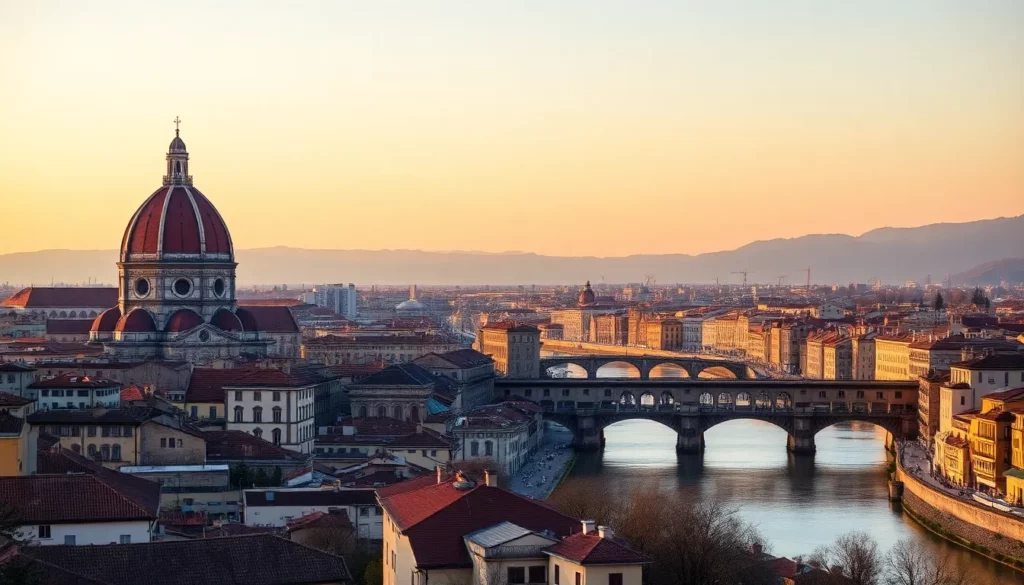
The iconic cathedral dominates the skyline with its red-tiled dome engineered by Brunelleschi. Visitors can explore the cathedral interior for free, but climbing the dome or visiting the bell tower requires a ticket. This experience suits those interested in architecture and engineering, though be prepared for steep climbs and security checks.
Galleria dell’Accademia
Home to Michelangelo’s original statue of David, this gallery is a must-see for first-time visitors. The museum also features other Michelangelo sculptures and historical musical instruments. Timed entry tickets are highly recommended to avoid long waits.
Ponte Vecchio
This medieval stone bridge is famous for its shops built along it, historically occupied by jewelers and goldsmiths. It is a key photographic landmark and connects the historic center to the Oltrarno district. It is best visited early in the morning or late evening to avoid peak pedestrian congestion.
Boboli Gardens
Located behind the Pitti Palace, these historic gardens offer a green escape with sculptures, fountains, and panoramic views. They suit families and travelers seeking relaxation. Note that parts of the garden may be under restoration, and entry usually requires a separate ticket from the palace.
Piazzale Michelangelo
Perched on a hill south of the river, this square offers the most famous panoramic view of Florence. It is accessible by bus or a steep walk. It is particularly popular at sunset, so arrive early to secure a good viewing spot.
Oltrarno District
Meaning “beyond the Arno,” this neighborhood is known for its artisan workshops, less crowded streets, and authentic atmosphere. It suits travelers looking for local culture and craftsmanship. Explore the streets around Santo Spirito for cafes and boutiques.
Palazzo Pitti
Once the residence of the Medici family, this massive palace complex contains several museums and galleries. It suits visitors interested in royal history and decorative arts. Allow several hours to explore the various collections within the complex.
Basilica of Santa Croce
Known as the Temple of the Italian Glories, this church contains the tombs of Michelangelo, Galileo, and Machiavelli. It suits history buffs and those interested in funerary art. A small fee is required for entry, and dress codes are strictly enforced.
Mercato Centrale
The central market offers a mix of traditional food stalls on the ground floor and a modern food hall upstairs. It suits foodies looking for a quick, high-quality lunch. It is a good place to sample local specialties without a formal sit-down meal.
Where to Eat
Florentine cuisine is rooted in Tuscan traditions, emphasizing high-quality ingredients and simple preparation. Key specialties include Bistecca alla Fiorentina (a large T-bone steak), Ribollita (a bread and vegetable soup), and Pappa al Pomodoro. Meals often begin with antipasti like cured meats and cheeses. Lunch is typically lighter, while dinner is the main meal. Coffee culture is strong; cappuccinos are traditionally consumed only in the morning. Tipping is not obligatory but leaving small change for good service is appreciated. Travelers should look for “trattorias” or “osterias” for traditional home-style cooking rather than tourist-focused restaurants near major monuments. Wine pairings often feature Chianti Classico or Brunello di Montalcino.
Where to Stay
Choosing the right neighborhood depends on your priorities. The Centro Storico (Historic Center) offers maximum convenience for sightseeing but can be noisy and expensive. Santa Croce is lively and central, suitable for younger travelers and nightlife. San Lorenzo is near the market and train station, ideal for short stays and shoppers, though some streets can be gritty. The Oltrarno district provides a quieter, more residential atmosphere with easy access to gardens and views, suitable for couples and repeat visitors. Families may prefer areas slightly outside the immediate center for more space and lower noise levels. Visitors with cars should stay near the outskirts or ensure their accommodation offers parking, as driving in the center is restricted.
Suggested Itinerary
2-Day Highlights
Day 1: Start at the Duomo complex, climbing the dome if booked. Walk to the Mercato Centrale for lunch. Spend the afternoon at the Uffizi Gallery. End with a walk across Ponte Vecchio and dinner in the Oltrarno.
Day 2: Visit the Accademia to see David. Explore the Santa Croce Basilica. Walk to Piazzale Michelangelo for sunset views. Enjoy a farewell dinner near Santa Croce or San Lorenzo.
4-Day Relaxed Stay
Day 1: Duomo complex and surrounding streets. Uffizi Gallery in the afternoon.
Day 2: Accademia Gallery. Walk through San Lorenzo market. Visit Santa Croce.
Day 3: Cross to Oltrarno. Visit Palazzo Pitti and Boboli Gardens. Explore artisan workshops.
Day 4: Day trip to Siena or Chianti wine region. Return for evening relaxation.
Local Etiquette & Practical Tips
Dress codes are strictly enforced at religious sites; shoulders and knees must be covered. Carry a scarf for easy adaptation. Greetings are formal; use “Buongiorno” (Good day) or “Buonasera” (Good evening) when entering shops. Tipping is not mandatory as service is included, but rounding up the bill is common. Credit cards are widely accepted, but carry some cash for small purchases or markets. Tap water is safe to drink; use public fountains (“nasoni”) to refill bottles. Pickpocketing can occur in crowded tourist areas; keep valuables secure and be aware of your surroundings. Many shops close for a few hours in the afternoon (riposo), though this is less common in the strict historic center now. Museums often close on Mondays; verify opening days before planning.
Day Trips from Florence
Siena: Famous for its medieval architecture and the Palio horse race. Accessible by bus or train (approx. 1.5 hours). Best as a full-day trip.
Pisa: Home to the Leaning Tower. Direct train takes about one hour. Suitable for a half-day or full-day visit.
Chianti Region: Renowned for wine production. Best visited via organized tour or rented car for flexibility. Full-day recommended.
San Gimignano: Known for its medieval towers. Accessible by bus with a transfer or car. Full-day trip recommended.
Lucca: A walled city with a relaxed atmosphere. Direct train takes about 1.5 hours. Good for a full-day excursion.
Arezzo: Rich in history and antiques. Train access takes about one hour. Suitable for a day trip.
FAQ
Is Florence worth visiting?
Yes, Florence is essential for art, history, and food lovers, offering unparalleled Renaissance architecture and culture.
How many days do you need in Florence?
Three days is ideal for the main sights, but four to five days allow for a relaxed pace and a day trip.
Is Florence walkable for tourists?
Yes, the historic center is compact and best explored on foot, though some streets are cobblestoned and uneven.
Leave a Reply