
Short Answer
What It Is
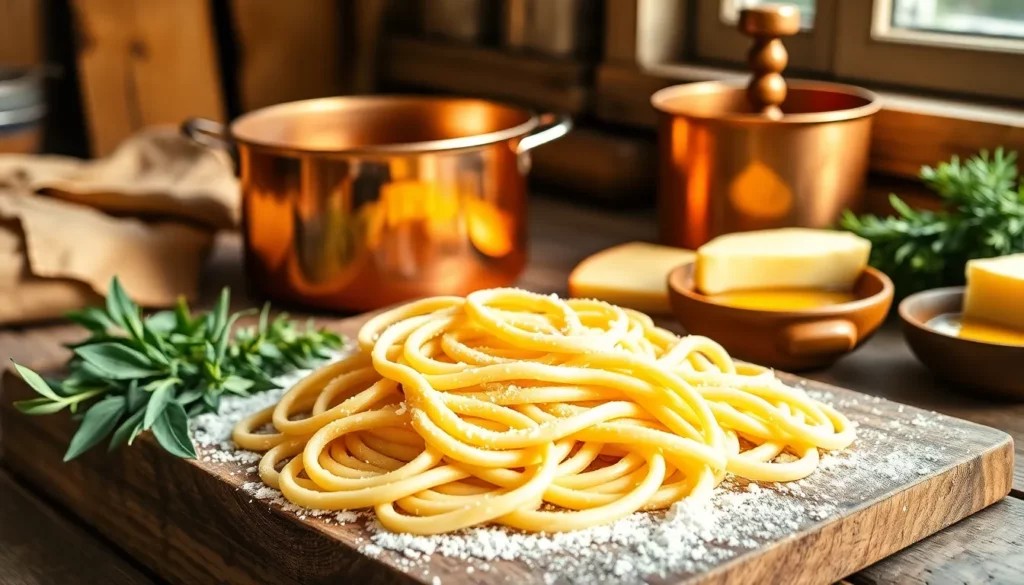
Spätzle (pronounced SHPEHT-sleh) is a traditional egg-based pasta originating from the Swabian region of Germany but deeply rooted in the culinary heritage of Italy’s northernmost province, Alto Adige (South Tyrol). Unlike the durum wheat pasta of southern Italy, Spätzle is made from soft wheat flour, eggs, water, and salt, giving it a tender, chewy texture. The dough is typically pressed through a coarse sieve or dropped from a board into boiling salted water, forming irregular, small dumpling-like noodles.
In Italy, Spätzle is recognized under the Traditional Agri-Food Product (PAT) designation, which safeguards its artisanal production methods. While it does not hold a DOP or PGI status at the European level, the Spätzle dell’Alto Adige is protected by regional regulations that ensure authenticity. The dish is a staple of Alpine cuisine, often served with rich sauces, melted cheese, or as a side to hearty meat dishes.
Types & Grades
Spätzle varies primarily by shape and preparation method. The most common types include:
| Type | Description | Typical Use |
|---|---|---|
| Handgeschabte Spätzle | Hand-scraped, irregular shapes; considered the most artisanal. | Traditional cheese Spätzle (Käsespätzle) or as a side. |
| Knöpfle | Smaller, rounder dumplings made by pressing dough through a perforated press. | Soups or lighter accompaniments. |
| Buchweizenspätzle | Buckwheat flour version, gluten-free, with a nutty flavor. | Pairing with game or mushroom sauces. |
| Spinaci Spätzle | Spinach-infused dough, vibrant green. | Visual appeal; often served with butter and Parmesan. |
Grades are not officially classified, but artisanal producers often label their Spätzle as “artigianale” (handmade) or “fatto a mano” to indicate superior quality. Fresh Spätzle is always preferred over dried for its delicate texture.
How It’s Used in Cooking
Spätzle is incredibly versatile in Alpine Italian cuisine. Traditional applications include:
- Käsespätzle – The iconic dish: layers of Spätzle, melted mountain cheeses (e.g., Emmental, Bergkäse), and caramelized onions, baked until golden.
- Spätzle with Ragù – A hearty meat sauce, often made with game or beef, slow-cooked and served over the noodles.
- Spätzle in Brodo – Light chicken or beef broth with fresh Spätzle, a comforting soup.
- Spätzle with Butter and Sage – Simple yet elegant, tossed in browned butter and fresh sage leaves.
- Spätzle as a Side – Alongside braised beef, roasted pork, or mushroom dishes.
“Spätzle is the soul of Alpine comfort food – humble, handmade, and endlessly adaptable.” – Traditional South Tyrolean saying
Professional chefs value Spätzle for its ability to absorb sauces while maintaining a pleasant chew. It is often made fresh daily in restaurants that specialize in regional cuisine.
How to Choose/Identify Authentic Spätzle
When purchasing Spätzle, look for these authenticity cues:
- Origin labeling: Seek packages marked “Prodotto in Alto Adige” or “PAT” (Traditional Agri-Food Product).
- Ingredients: Authentic Spätzle contains only flour (soft wheat), eggs, water, and salt. No preservatives or artificial colors.
- Texture: Fresh Spätzle should be slightly sticky, irregular in shape, and have a pale yellow hue from the eggs.
- Dried Spätzle: If buying dried, choose brands that use bronze dies and slow drying at low temperatures to preserve flavor.
- Artisanal vs. Industrial: Hand-scraped or hand-pressed Spätzle is superior. Avoid overly uniform, machine-extruded products.
For commercial buyers, establishing a direct relationship with a certified producer in Alto Adige ensures traceability and quality.
Substitutes
While Spätzle is unique, genuine Italian substitutes can be used in similar preparations:
- Gnocchi – Potato-based dumplings; use when a softer, pillowy texture is desired, especially in cheese or butter sauces.
- Pizzoccheri – Buckwheat pasta from Valtellina; a robust substitute for buckwheat Spätzle, ideal with hearty sauces.
- Maltagliati – Irregularly shaped egg pasta scraps; mimic the rustic, hand-cut feel of Spätzle in soups or ragù.
- Fettuccine all’Uovo – Fresh egg fettuccine; a more refined alternative for butter or cream-based sauces.
Each substitute alters the dish’s character, so choose based on the desired texture and regional authenticity.
Conclusion
Spätzle represents the intersection of Germanic and Italian culinary traditions in the Alpine region. Its artisanal production, protected by PAT status, ensures a product of exceptional quality. Whether enjoyed in a classic Käsespätzle or as a versatile side, Spätzle offers a unique texture and flavor that elevates any dish. By understanding its types, authentic markers, and suitable substitutes, cooks can confidently incorporate this beloved egg pasta into their repertoire.
FAQ
Is Spätzle the same as gnocchi?
No. Spätzle is an egg-based pasta made from soft wheat flour, while gnocchi are typically made from potatoes or ricotta. Spätzle has a chewy, irregular shape, whereas gnocchi are soft and pillowy. Both are used in similar dishes but have distinct textures and ingredients.
Can I make Spätzle without a special press?
Yes. Traditional hand-scraped Spätzle is made by spreading dough on a wet board and scraping thin strips into boiling water. Alternatively, you can use a colander with large holes or a potato ricer. The key is to achieve irregular, small dumplings.
What is the best cheese for Käsespätzle?
A combination of mountain cheeses works best. Traditional choices include Emmental, Bergkäse, or Gruyère. For an authentic Alto Adige version, use a local semi-hard cheese like Stelvio or Graukäse. The cheese should melt smoothly and have a nutty, savory flavor.

Leave a Reply