
Short Answer
What It Is
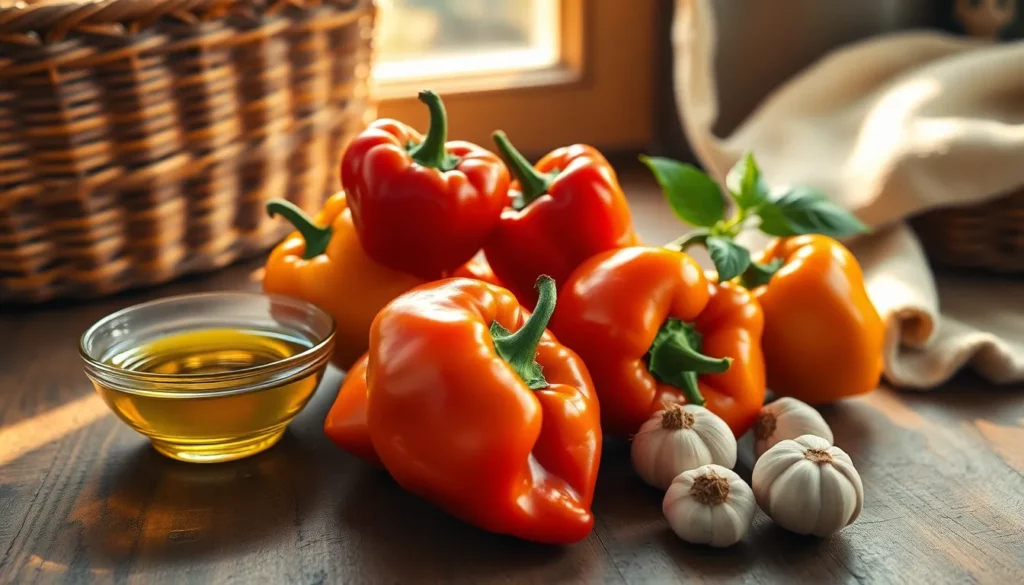
The Scotch Bonnet pepper (Capsicum chinense) is a variety of chili pepper native to the Caribbean, particularly associated with Jamaica, Trinidad and Tobago, and the Bahamas. It is renowned for its intense heat, ranging from 100,000 to 350,000 Scoville Heat Units (SHU), and its distinctive fruity, floral aroma with subtle notes of apple and citrus. Unlike many Italian chili peppers, the Scotch Bonnet is not produced under any DOP (Denominazione di Origine Protetta) or PGI (Indicazione Geografica Protetta) certification, as its cultivation is not traditional in Italy. However, its unique flavor profile has made it a sought-after ingredient in modern Italian kitchens, where chefs experiment with global spices to create fusion dishes. The pepper is typically harvested when fully ripe, turning from green to vibrant shades of red, yellow, or orange, and is often used fresh, dried, or in sauces.
Types & Grades
Scotch Bonnet peppers are classified primarily by color and ripeness, which influence their heat and flavor intensity. The following table outlines the common types and their characteristics:
| Type | Color | Heat Level (SHU) | Flavor Notes | Common Uses |
|---|---|---|---|---|
| Green Scotch Bonnet | Green | 100,000–200,000 | Grassy, slightly bitter | Pickling, early harvest sauces |
| Yellow Scotch Bonnet | Yellow | 150,000–300,000 | Fruity, tropical, mild floral | Hot sauces, marinades |
| Orange Scotch Bonnet | Orange | 200,000–350,000 | Sweet, citrusy, intense | Jerk seasoning, salsas |
| Red Scotch Bonnet | Red | 250,000–350,000 | Rich, fruity, smoky undertones | Dried flakes, infused oils |
Grades are not officially regulated, but premium peppers are those with uniform color, firm skin, and no blemishes. The finest specimens are often sun-dried or smoked to concentrate their flavor.
How It’s Used in Cooking
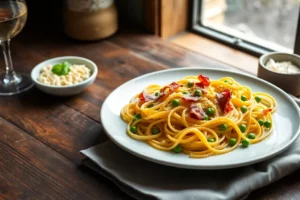
In Italian cuisine, the Scotch Bonnet pepper is not a traditional ingredient, but it has found a place in contemporary dishes that embrace bold heat. Chefs use it sparingly to add a fruity kick to arrabbiata sauces, marinara with a twist, or as a finishing touch on pizza and pasta. Its floral notes pair well with tomatoes, garlic, and olive oil, making it a natural fit for Italian flavor profiles. A classic application is in olio piccante (spicy oil), where dried Scotch Bonnet flakes are infused in extra virgin olive oil and drizzled over bruschetta or grilled vegetables. In fusion dishes, it is used in jerk-style Italian chicken or as a component in spicy caponata. The pepper is also employed in conserva (preserved chili pastes) that can be stirred into soups or stews for depth.
“The Scotch Bonnet brings a tropical brightness that elevates simple Italian ingredients. A little goes a long way, but its complexity is unmatched.” — Chef Marco Ferrara, Ristorante Moderno, Milan
How to Choose/Identify Authentic Scotch Bonnet Pepper
When purchasing Scotch Bonnet peppers, look for the following authenticity cues:
- Shape: Genuine Scotch Bonnets have a distinctive squashed, lantern-like shape with a slight indentation at the stem end. They are not elongated like habaneros.
- Color: Ripe peppers are bright red, yellow, or orange. Avoid dull or wrinkled skins, which indicate age.
- Aroma: A fresh Scotch Bonnet should emit a fruity, floral scent. If it smells musty or overly vegetal, it may be past its prime.
- Heat: The heat should be intense but not immediately overwhelming; it builds gradually. If the pepper is mild, it may be a crossbreed or mislabeled.
- Origin: Look for peppers labeled as from Jamaica, Trinidad, or other Caribbean nations. Italian-grown Scotch Bonnets are rare but possible in greenhouses; however, they may lack the full flavor profile of sun-ripened Caribbean specimens.
- Certifications: While no DOP exists, some producers carry organic or fair-trade certifications. For Italian substitutes, look for Peperoncino Calabrese DOP or Peperoncino di Senise PGI.
Substitutes
If Scotch Bonnet is unavailable, Italian cuisine offers several authentic substitutes that provide similar heat and flavor complexity:
- Peperoncino Calabrese (Calabrian Chili): This DOP-protected chili from Calabria has a fruity, slightly smoky heat (15,000–30,000 SHU). It is milder than Scotch Bonnet but works well in sauces and oils. Use 1.5 times the amount to match heat.
- Peperoncino di Senise (Senise Chili): A PGI variety from Basilicata, known for its sweet, mild heat (1,000–5,000 SHU). It is often dried and ground. For a closer heat level, combine with a pinch of cayenne.
- Habanero Pepper: A close relative of Scotch Bonnet, habaneros have a similar heat range (100,000–350,000 SHU) and fruity notes. They are more widely available and can be used 1:1, though the flavor is slightly less floral.
- Dried Red Chili Flakes (Peperoncino Secco): Generic Italian chili flakes, often from Calabria or Sicily, provide moderate heat. They lack the fruity notes but are a reliable pantry staple.
When substituting, consider the dish’s flavor profile: for fruity heat, habanero is best; for a milder Italian touch, use Calabrian chili paste.
Conclusion
The Scotch Bonnet pepper, though not native to Italy, offers a vibrant heat and tropical fruitiness that can enhance modern Italian dishes. Understanding its types, selecting authentic specimens, and knowing Italian substitutes allows chefs and home cooks to incorporate this Caribbean chili with confidence. Whether used in a spicy oil or a fusion pasta, the Scotch Bonnet brings a unique complexity that respects Italian culinary traditions while embracing global flavors.
FAQ
What is Scotch Bonnet pepper?
Scotch Bonnet is a variety of chili pepper (Capsicum chinense) native to the Caribbean, known for its intense heat (100,000–350,000 SHU) and fruity, floral flavor. It is commonly used in Caribbean cuisine, especially in jerk seasoning and hot sauces.
How hot is a Scotch Bonnet pepper compared to a jalapeño?
Scotch Bonnet peppers are significantly hotter than jalapeños. While a jalapeño ranges from 2,500 to 8,000 SHU, a Scotch Bonnet can reach up to 350,000 SHU, making it 40 to 100 times hotter.
What is a good Italian substitute for Scotch Bonnet pepper?
The best Italian substitute is Peperoncino Calabrese DOP, which offers a fruity, smoky heat (15,000–30,000 SHU). For a closer heat level, use Habanero pepper (a close relative) or combine dried Italian chili flakes with a pinch of cayenne.

Leave a Reply