Short Answer
Getting There
Catania is the primary transport hub for eastern Sicily. The nearest practical airport is Catania-Fontanarossa Airport (CTA), located approximately 4 kilometers southwest of the city center. This airport handles numerous domestic flights from major Italian hubs like Rome and Milan, as well as international connections from across Europe. Upon arrival, travelers can reach the city center via the Alibus shuttle service, public AMT buses, or taxis. The shuttle typically runs frequently until late evening, but schedules should be verified on the official airport website before travel.
For those arriving by train, Catania Centrale is the main railway station, offering direct regional and intercity connections from Palermo, Messina, and Syracuse. High-speed trains from mainland Italy usually terminate in Palermo or Messina, requiring a regional transfer to reach Catania. Bus services from other Sicilian cities are also available via the central bus station adjacent to the railway terminal. If driving, note that access to the historic center is restricted by ZTL (Limited Traffic Zones), and parking should be arranged in designated lots outside the restricted areas.
Getting Around
Catania’s historic center is compact and highly walkable, with most major attractions clustered within a 20-minute radius of Piazza del Duomo. Public transport within the city is operated by AMT Catania, providing bus coverage to neighborhoods further from the center, such as San Giovanni Li Cuti or the university area. While buses are affordable, schedules can be irregular, so allowing extra time is advisable. Taxis are available at ranks throughout the city and can be booked via phone or app; ensure the meter is running or agree on a fare beforehand.
Renting a car is generally unnecessary for a stay focused on the city itself and can be a disadvantage due to traffic congestion, narrow one-way streets, and scarce parking. However, a vehicle becomes useful if you plan extensive day trips to rural villages or multiple trailheads on Mount Etna. Cycling is possible but requires caution due to traffic density. For visitors with mobility issues, the flat terrain of the main squares is accessible, though some cobblestone streets and older buildings may present challenges.
Best Time to Visit
The optimal time to visit Catania is during the shoulder seasons of spring (April to June) and autumn (September to October). During these months, daytime temperatures are pleasant for walking, typically ranging from 20°C to 25°C, and crowds are manageable compared to the peak summer period. Summer (July and August) brings intense heat, often exceeding 30°C, and high tourist density, which can impact accommodation prices and availability. However, summer is ideal for travelers prioritizing beach time and vibrant nightlife.
Winter (November to March) is mild compared to northern Europe, with temperatures rarely dropping below 10°C, but rain is more frequent. Some cultural sites may operate on reduced hours during the off-season. Travelers interested in local festivals should note that the Feast of Saint Agatha occurs in early February, drawing massive crowds and altering transport routes. Always verify specific event dates and opening hours with official tourism sources before booking, as schedules can change annually.
Top Things to Do
Piazza del Duomo and the Elephant Fountain
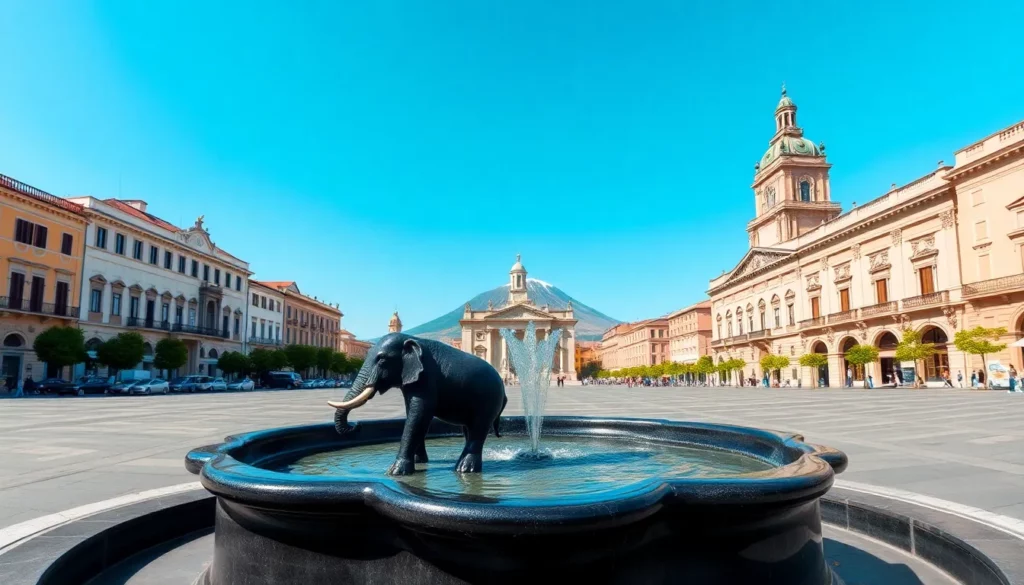
The heart of Catania is this baroque square, dominated by the Fontana dell’Elefante, featuring a lava stone elephant supporting an Egyptian obelisk. This is the symbolic center of the city and the starting point for most walking tours. It is suitable for all travelers and serves as a key meeting point. The square is open 24 hours, though surrounding cafes are best visited during daylight.
Catania Cathedral (Duomo di Sant’Agata)
Located on the Piazza del Duomo, this cathedral honors the city’s patron saint. The interior blends Norman, Gothic, and Baroque elements following reconstructions after earthquakes. Visitors should dress modestly to enter. It is a priority for those interested in religious history and architecture. Check mass schedules to avoid closure during services.
La Pescheria (Fish Market)
Just north of the Piazza del Duomo, this historic market offers a sensory immersion into local life. Vendors sell fresh seafood, produce, and street food amid a lively atmosphere. It is best visited in the morning when activity peaks. Photography is welcome, but be respectful of vendors and keep pathways clear.
Castello Ursino
This 13th-century Swabian castle now houses the Civic Museum, featuring art collections and historical artifacts. The structure itself, with its thick walls and courtyard, is a highlight. It suits history enthusiasts and families. Allow at least one hour for a visit and verify current exhibition times online.
Via Etnea
The main shopping street stretches from the Duomo toward Mount Etna. Lined with boutiques, cafes, and baroque palaces, it is ideal for people-watching and shopping. The street is pedestrian-friendly in sections. It is accessible throughout the day, though shops may close for siesta in the early afternoon.
Teatro Massimo Bellini
Named after the famous composer, this opera house is an architectural gem with a rich interior. Guided tours are available when performances are not scheduled. It appeals to culture lovers and architecture fans. Booking tour tickets in advance is recommended during peak seasons.
Villa Bellini
A large public park offering green space away from the urban density. It features walking paths, gardens, and playgrounds. This is suitable for families needing a break or travelers seeking a quiet stroll. Entry is free, and it is open during daylight hours.
San Giovanni Li Cuti
A historic fishermen’s village neighborhood with a small pebble beach and seafood restaurants. It provides a glimpse into traditional maritime life. It is best visited for lunch or sunset. Access involves a short walk or bus ride from the center.
Where to Eat
Catania’s cuisine is deeply rooted in Sicilian traditions, emphasizing fresh local produce, seafood, and volcanic soil-grown ingredients. A signature dish is Pasta alla Norma, made with tomatoes, fried eggplant, ricotta salata, and basil. Street food is ubiquitous; look for Arancini (fried rice balls), Siciliana (bread with cheese and anchovies), and Cartocciata (fried dough with vegetables). Fresh seafood is a staple, particularly swordfish and sardines, often grilled or prepared in pasta.
Meal timing follows Italian customs, with lunch typically served between 1:00 PM and 3:00 PM and dinner starting from 8:00 PM onwards. Many kitchens close between these periods. Coffee culture is strong, with standing bars offering espresso at lower prices than table service. For a local experience, visit markets like La Pescheria for fresh produce or seek out bakeries for traditional pastries like Cannoli or Granita, especially during warmer months. Vegetarian options are widely available due to the prevalence of vegetable-based dishes.
Where to Stay
First-time visitors should prioritize the Centro Storico, particularly near Piazza del Duomo or Via Etnea. This area offers maximum walkability to major sights and dining options, though it can be noisy at night. Budget travelers might look toward the university district, where prices are often lower and the atmosphere is lively, but noise levels can vary. Families may prefer the areas surrounding Villa Bellini for quieter streets and green space.
Couples seeking atmosphere might enjoy accommodations near the waterfront or in renovated historic buildings within the baroque center. Visitors with a car should seek hotels with private parking or those located just outside the ZTL restricted zones to avoid fines. The San Giovanni Li Cuti neighborhood offers a quieter, village-like feel but requires transport to reach the main train station or airport shuttle points. Always confirm parking availability and ZTL boundaries with your accommodation provider before arrival.
Suggested Itinerary
2-Day Highlights Itinerary
Day 1: Start at Piazza del Duomo to see the Elephant Fountain and visit the Cathedral. Walk through La Pescheria market for lunch. Spend the afternoon exploring Via Etnea and visiting Castello Ursino. Enjoy dinner in the historic center.
Day 2: Visit Teatro Massimo Bellini in the morning. Walk to Villa Bellini for a relaxed afternoon. Head to San Giovanni Li Cuti for sunset and seafood dinner. Depart or prepare for travel the following morning.
4-Day Relaxed Itinerary
Day 1: Arrival and orientation walk around Piazza del Duomo and Via Etnea. Casual dinner near the accommodation.
Day 2: Deep dive into culture: Castello Ursino, Cathedral, and Bellini Theater. Evening stroll and gelato.
Day 3: Day trip to Mount Etna or Taormina (see Day Trips section). Return to Catania for evening relaxation.
Day 4: Visit San Giovanni Li Cuti and Villa Bellini. Last-minute shopping on Via Etnea. Departure.
Local Etiquette & Practical Tips
When visiting churches such as the Cathedral, shoulders and knees should be covered out of respect for religious sites. Tipping is not mandatory but leaving small change or rounding up the bill in restaurants is appreciated for good service. Greetings are important; a polite “Buongiorno” (Good day) or “Buonasera” (Good evening) upon entering shops or cafes is customary.
Payment habits vary; while cards are widely accepted, carrying some cash is useful for small markets, street food vendors, or older establishments. Be aware of pickpockets in crowded areas like markets and train stations, keeping valuables secure. Many shops close during “riposo” (siesta) roughly between 1:30 PM and 4:00 PM. Water from public fountains is generally potable unless marked otherwise. Emergency services can be reached at 112. Always verify current safety advisories and local restrictions before travel.
Day Trips from Catania
Taormina: A picturesque hilltop town known for its Greek Theatre and views of Etna. Accessible by train or bus in approximately 45 minutes to 1 hour. Suitable for a full-day trip to explore streets and beaches below.
Syracuse (Ortigia): A historic city with significant Greek and Roman ruins. Reachable by train in about 1 hour. Best as a full-day trip to cover the island of Ortigia and archaeological parks.
Mount Etna: Europe’s highest active volcano. Accessible via guided tours or bus to Nicolosi. Requires a full day. Conditions vary based on volcanic activity; check access restrictions beforehand.
Acireale: A baroque town north of Catania known for carnival and architecture. Approximately 20 minutes by car or bus. Good for a half-day excursion.
Noto: Famous for baroque architecture in the Val di Noto. About 1 hour by car. Best combined with other Val di Noto towns for a full-day tour.
Ciclopi Islands: Coastal nature reserve near Aci Trezza. Approximately 30 minutes by bus. Suitable for a half-day of boat tours and swimming.
FAQ
Is Catania worth visiting?
Yes, Catania offers a unique blend of baroque architecture, vibrant street life, authentic cuisine, and proximity to Mount Etna, making it ideal for culture and food enthusiasts.
How many days do you need in Catania?
Two days are sufficient for the city highlights, but 4 days allow for a relaxed pace and essential day trips to Taormina or Syracuse.
Is Catania safe, expensive, or walkable?
Catania is generally safe with standard precautions against pickpocketing. It is moderately priced compared to northern Italy and the historic center is highly walkable.
Leave a Reply