Short Answer
Getting There
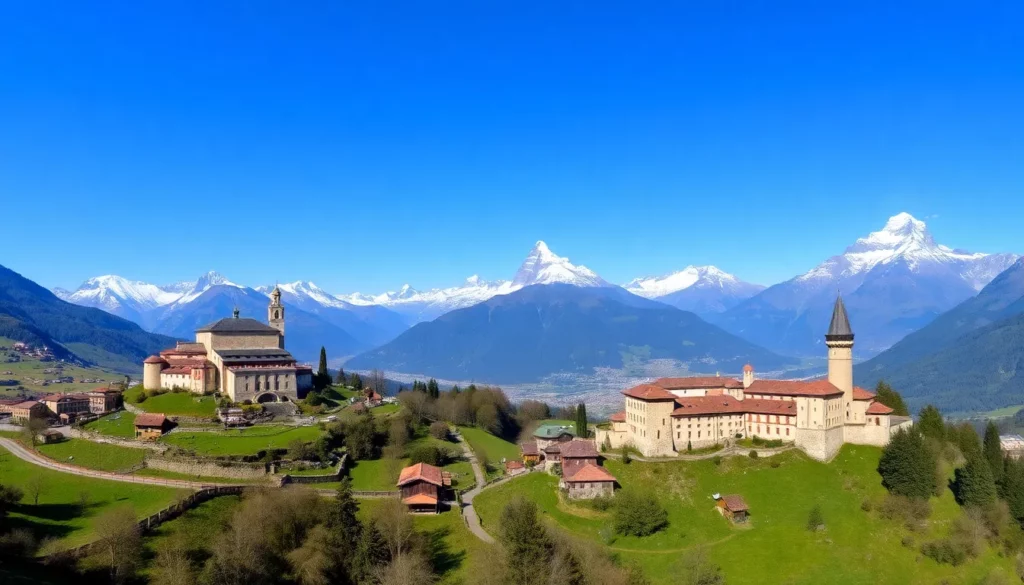
The Aosta Valley is located in northwest Italy, nestled between the Western Alps and bordering both France and Switzerland. There is no commercial airport within the region itself, so most travelers arrive via nearby international hubs. The closest airport is Turin-Caselle (TRN), approximately one hour and fifteen minutes away by car. Milan Malpensa (MXP) is a larger hub about two hours away, offering more international flight options. Geneva Airport (GVA) in Switzerland is another viable option, roughly two hours and fifteen minutes away, particularly for visitors coming from northern Europe.
Upon arrival, travelers can rent a car directly at these airports, which is highly recommended for exploring the valleys. Alternatively, train service connects Turin and Milan to the regional capital, Aosta. From Turin Porta Nuova, regional trains run regularly to Aosta Centrale, taking about two hours. From Milan, a transfer in Turin or Chivasso is usually required. Bus services also operate from major hubs, though schedules vary significantly by season. Always verify current timetables with rail and transport operators before booking, as winter weather can impact connections.
Getting Around
While the regional capital, Aosta, is compact and walkable, exploring the wider valley system efficiently usually requires a private vehicle. Public transport exists via regional buses and trains, connecting major towns like Courmayeur, Cervinia, and Saint-Pierre, but frequency decreases in remote areas and during shoulder seasons. A car provides the flexibility to visit medieval castles scattered across the hillsides and access trailheads for hiking or skiing that are not serviced by public transit.
Driving conditions are generally good on main roads, but mountain passes may close in winter without proper tires or chains. Parking in historic town centers can be limited, often requiring use of designated lots outside the core zones. Taxis are available in larger towns but should be booked in advance for inter-valley travel. For visitors who prefer not to drive, organized tours or staying in a single hub like Courmayeur with local shuttle access is a viable alternative, though it limits spontaneity.
Best Time to Visit
The Aosta Valley is a year-round destination, but the experience varies drastically by season. Winter, from December to March, is peak season for ski enthusiasts. Resorts like Cervinia and Courmayeur offer world-class skiing, but prices for accommodation are highest, and roads require winter equipment. Summer, from June to September, is ideal for hikers and climbers. Weather is mild, wildflowers are in bloom, and high-altitude trails are accessible. This is also the best time for visiting castles and Roman ruins without snow obstruction.
Shoulder seasons, specifically late April to May and October to November, offer lower prices and fewer crowds. However, some cable cars, mountain restaurants, and tourist attractions may close for maintenance between seasons. Weather during these months can be unpredictable, with rain or early snow possible. Travelers interested in food and wine may enjoy the autumn harvest period, while culture-focused visitors might prefer late spring when museums reopen but ski crowds have departed.
Top Things to Do
Roman Theatre and Arch of Augustus
Located in the regional capital, these ruins date back to the 1st century BC and highlight Aosta’s importance as a Roman military hub. The theatre is one of the best-preserved in the Alps, offering a tangible connection to ancient history. It suits history buffs and is easily accessible on foot within the city center. Check opening hours as they may vary seasonally.
Mont Blanc Skyway
This rotating cable car near Courmayeur takes visitors to Punta Helbronner at 3,462 meters, offering panoramic views of Mont Blanc, the Matterhorn, and the Grand Paradiso. It is suitable for most travelers, though those sensitive to altitude should proceed with caution. It operates year-round, weather permitting, and provides a high-alpine experience without requiring technical climbing skills.
Fénis Castle
Often cited as the most picturesque castle in the region, Fénis features distinctive merlons and a double enclosure. Unlike some fortresses built for defense, this was designed as a residence, featuring frescoes and period furniture. It is a top choice for families and photography enthusiasts. Guided tours are recommended to fully appreciate the interior details.
Breuil-Cervinia and the Matterhorn
Located at the foot of the iconic Matterhorn, Cervinia is a premier ski resort in winter and a hiking base in summer. The village offers high-altitude dining and shopping. It is ideal for outdoor enthusiasts and those seeking iconic Alpine scenery. The Plateau Rosa glacier allows for summer skiing, a unique feature in Europe.
Grand Paradiso National Park
Italy’s oldest national park protects diverse wildlife, including ibex and chamois, across rugged terrain. It offers extensive hiking trails ranging from easy walks to multi-day treks. Nature lovers and photographers will find this essential. Visitor centers in various valleys provide maps and wildlife spotting advice.
Thermal Baths of Pre-Saint-Didier
These outdoor thermal pools offer warm mineral waters with views of the Mont Blanc massif. It is a relaxing experience suitable for couples and those seeking wellness after a day of hiking or skiing. Reservations are often required during peak periods. The facility includes various pools at different temperatures.
Where to Eat
The cuisine of the Aosta Valley is hearty and mountainous, reflecting its Alpine location. Dairy plays a central role, with Fontina cheese being the most famous export. Visitors should try Carbonade Valdostana, a slow-cooked beef stew made with wine and spices, often served with polenta. Rye bread is a staple, traditionally baked in wood-fired ovens. Local wines, particularly those from the Valle d’Aosta DOC, pair well with cured meats like Jambon de Bosses.
Meal times follow Italian customs, with lunch typically served between 12:30 PM and 2:30 PM and dinner starting around 7:30 PM. In tourist areas, kitchens may stay open later, but traditional establishments may close between meals. Markets in Aosta and larger towns offer local cheeses and meats for picnics. When dining, look for menus featuring regional specialties rather than generic Italian pasta dishes to experience the true local flavor.
Where to Stay
Choosing where to stay depends largely on your planned activities. Aosta city is the best base for first-time visitors interested in history, museums, and central transport links. It offers a range of hotels and is lively year-round. Courmayeur suits travelers seeking upscale dining, shopping, and access to the Mont Blanc region, though it is pricier. Breuil-Cervinia is ideal for skiers wanting slope-side access and high-altitude snow reliability.
For a quieter experience, consider smaller villages like Saint-Pierre or Châtillon, which offer easier parking and a more local atmosphere. Families might prefer resorts with dedicated ski schools and activity clubs. Visitors with a car have the most flexibility to stay in rural agritourism properties, which provide authentic experiences but require driving to reach restaurants. Regardless of location, booking in advance is crucial during ski season and August holidays.
Suggested Itinerary
2-Day Highlights
Day 1: Arrive in Aosta. Visit the Roman Theatre and Archaeological Museum. Walk the historic center and enjoy a traditional dinner featuring Fontina cheese. Day 2: Drive to Fénis to tour the castle. Continue to Pre-Saint-Didier for thermal baths in the afternoon. Return to Aosta or depart.
4-Day Alpine Experience
Day 1: Explore Aosta’s Roman ruins and city center. Day 2: Travel to Courmayeur. Take the Mont Blanc Skyway for panoramic views. Day 3: Head to Cervinia. Hike or ski near the Matterhorn. Day 4: Visit Sarre Castle and Grand Paradiso National Park visitor center before departure. This pace allows for travel time between valleys and leisurely meals.
Local Etiquette & Practical Tips
The Aosta Valley is bilingual, with Italian and French both used on signage and in official contexts. Greetings are formal; a polite “Buongiorno” or “Bonjour” upon entering shops is expected. Dress codes are relaxed but modest attire is required when entering churches, such as the Aosta Cathedral. Tipping is not mandatory but leaving small change or rounding up the bill in restaurants is appreciated for good service.
Credit cards are widely accepted, but carrying some cash is wise for small mountain huts or markets. Tap water is generally safe to drink, with many public fountains available. In winter, respect local driving laws regarding snow chains; fines apply for non-compliance on designated routes. Accessibility varies; while main towns are manageable, historic castles and mountain trails often have steep steps or uneven terrain.
Day Trips from Aosta Valley
Turin
Italy’s first capital offers museums, royal palaces, and excellent coffee culture. It is about one hour and fifteen minutes by train or car. Suitable for a full-day cultural excursion, especially if weather in the mountains is poor.
Chamonix, France
Accessible via the Mont Blanc Tunnel, this famous French ski resort town offers a different Alpine vibe. It is roughly 45 minutes from Courmayeur. Ideal for comparing Alpine cultures or visiting the Aiguille du Midi.
Ivrea
Known for its modern industrial architecture and historic carnival, Ivrea is located on the way to Turin. It takes about 45 minutes to reach. Good for a half-day stop to see UNESCO-listed sites and enjoy lakeside views.
FAQ
Is Aosta Valley worth visiting?
Yes, it offers a unique blend of Roman history, medieval castles, and high-Alpine scenery with fewer crowds than major Swiss resorts.
How many days do you need in Aosta Valley?
A minimum of 3 days allows for visiting Aosta city and one major valley, while 5 days permits a more relaxed exploration of multiple resorts.
Is Aosta Valley safe and walkable?
The region is very safe with low crime rates. Towns are walkable, but exploring the wider valley requires a car or reliance on scheduled transport.
Leave a Reply