
Short Answer
What It Is
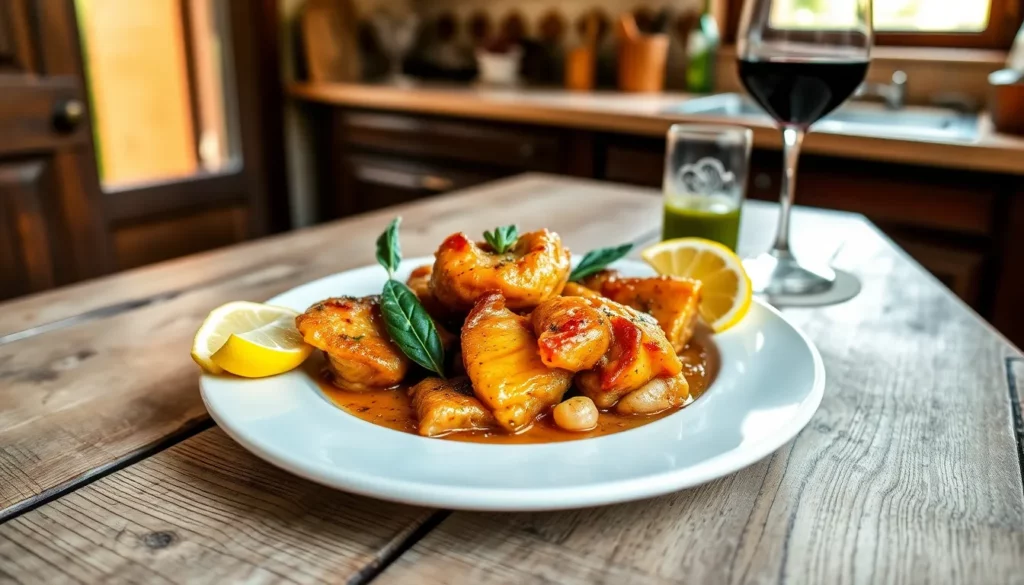
Animelle (pronounced ah-nee-MEL-leh) is the Italian term for sweetbreads—specifically the thymus gland (neck sweetbreads) or pancreas (heart sweetbreads) of young calves (vitello) or lambs (agnello). This delicate offal has been a staple of Italian cucina povera (peasant cooking) for centuries, prized for its tender, creamy texture and mild, slightly sweet flavor.
Historically, animelle were a way to utilize every part of the animal, a practice deeply rooted in Italian culinary tradition. The production method begins with the gland being removed from the animal shortly after slaughter. It is then soaked in cold water to remove blood and impurities, blanched to firm the texture, and finally pressed to remove excess moisture. The resulting product is a pale, firm, and delicately flavored organ meat.
While animelle do not hold a DOP (Denominazione di Origine Protetta) or PGI (Indicazione Geografica Protetta) status—as they are a fresh offal rather than a cured or processed product—they are intrinsically linked to specific Italian regions. Tuscany, Piedmont, and Lombardy are particularly renowned for their animelle dishes, often featuring in traditional recipes that highlight the ingredient’s natural qualities. The quinto quarto (fifth quarter) tradition, which celebrates offal cuts, is especially strong in Rome and Florence, where animelle are a star component of fritto misto (mixed fry) and animelle alla fiorentina.
Types & Grades
Animelle are categorized by animal source and gland type. The following table outlines the primary variations and their culinary applications:
| Type | Source | Gland | Characteristics | Best Use |
|---|---|---|---|---|
| Animelle di vitello (veal sweetbreads) | Milk-fed veal (vitello) | Thymus (neck) or Pancreas (heart) | Larger, firmer, more delicate flavor; pale cream color | Sautéing, roasting, grilling; classic animelle alla fiorentina |
| Animelle di agnello (lamb sweetbreads) | Young lamb (agnello) | Thymus (neck) or Pancreas (heart) | Smaller, more tender, slightly stronger flavor; pinkish hue | Frying, braising; fritto misto or animelle al marsala |
| Animelle di collo (neck sweetbreads) | Veal or lamb | Thymus | More uniform shape, less fatty, prized for texture | Poaching, then pan-searing |
| Animelle di cuore (heart sweetbreads) | Veal or lamb | Pancreas | Irregular shape, richer flavor, slightly more fatty | Braising, stewing; animelle in umido |
Grades are not officially regulated, but butchers and chefs often distinguish between prime (large, intact, pale, from milk-fed veal) and standard (smaller, possibly from older animals, with a slightly stronger taste). The highest quality animelle are those from milk-fed veal, as the animal’s diet ensures a milder, more delicate flavor.
How It’s Used in Cooking
Animelle require careful preparation to achieve their signature tenderness. The standard method involves:
- Soaking in cold water for 2–4 hours (changing water several times) to remove blood and impurities.
- Blanching in simmering water for 5–10 minutes, then shocking in ice water.
- Peeling away the outer membrane and any connective tissue.
- Pressing under a weight for 1–2 hours to flatten and firm the texture.
Once prepared, animelle can be cooked in numerous ways. Traditional Italian dishes include:
- Animelle alla fiorentina – Sautéed in butter with sage, lemon, and white wine, finished with a splash of broth. A classic of Tuscan cuisine.
- Animelle al marsala – Braised in Marsala wine with mushrooms and cream, typical of Lombardy and Piedmont.
- Animelle in umido – Slow-cooked in tomato sauce with peas and aromatic herbs, a hearty Roman stew.
- Fritto misto – Animelle are often included in this iconic mixed fry, alongside brains, artichokes, and zucchini flowers, dusted with flour and fried until golden.
- Animelle alla griglia – Grilled over charcoal, seasoned simply with salt, pepper, and olive oil, served with a squeeze of lemon.
“Le animelle sono un boccone di paradiso: morbide, delicate, eppure così ricche di sapore.” – Traditional Tuscan saying
In professional kitchens, animelle are often used in secondi piatti (main courses) or as part of a antipasto (starter) when fried. Their mild flavor pairs well with butter, sage, lemon, white wine, and mushrooms. They are also a key ingredient in animelle al tartufo, where shaved white truffle elevates the dish to haute cuisine.
How to Choose/Identify Authentic Animelle
When purchasing animelle, follow these guidelines to ensure you get the highest quality product:
- Appearance: Look for a pale, creamy white color with a slight pinkish hue. Avoid any that are gray, yellow, or have dark spots.
- Texture: The surface should be firm but slightly springy to the touch. It should not be slimy or sticky.
- Smell: Fresh animelle have a very mild, almost milky scent. Any strong, metallic, or off-putting odor indicates spoilage.
- Source: Ask your butcher for animelle from milk-fed veal (vitello da latte) for the most delicate flavor. Lamb animelle are also excellent but have a slightly stronger taste.
- Origin: While not DOP-protected, animelle from Tuscany, Piedmont, or Lombardy are traditionally prized. Look for Italian-raised animals if possible.
- Packaging: If buying pre-packaged, check the sell-by date and ensure the package is vacuum-sealed without excess liquid.
For online purchases, choose reputable Italian specialty food retailers that source directly from artisanal butchers. Always inquire about the animal’s diet and age, as these factors greatly influence flavor and texture.
Substitutes
While no ingredient perfectly replicates the unique texture and flavor of animelle, several Italian alternatives can be used in specific contexts:
- Animelle di agnello (lamb sweetbreads) – The most direct substitute, offering a slightly stronger flavor but similar preparation and cooking methods.
- Coratella – A mix of lamb offal (heart, lungs, liver, spleen) often used in Roman cuisine. It provides a more robust, earthy flavor and is typically braised or stewed.
- Fegatini (chicken livers) – While not a texture match, chicken livers can be used in recipes where animelle are chopped or minced, such as in pâtés or stuffings. They are more common and affordable.
- Lampredotto – The abomasum (fourth stomach) of a cow, a Florentine street food specialty. It has a chewy texture and is best braised, not suitable for frying or sautéing.
- Trippa (tripe) – Another offal cut, tripe is more gelatinous and requires long cooking. It can be used in stews as a substitute for animelle in umido, though the texture differs significantly.
For non-offal eaters, portobello mushrooms or tofu can mimic the texture in some preparations, but they lack the characteristic flavor and are not traditional Italian substitutes.
In summary, animelle are a unique and cherished ingredient in Italian cuisine. Their delicate flavor and creamy texture make them a versatile component of both rustic and refined dishes. By understanding their types, preparation, and selection criteria, you can bring an authentic taste of Italy to your table.
FAQ
What are animelle?
Animelle are the Italian term for sweetbreads, specifically the thymus gland (neck sweetbreads) or pancreas (heart sweetbreads) of young calves or lambs. They are prized for their delicate, creamy texture and mild flavor, and are a traditional ingredient in Italian offal cookery.
How do you prepare animelle before cooking?
Preparation involves soaking in cold water for 2–4 hours to remove blood, blanching in simmering water for 5–10 minutes, then shocking in ice water. After that, the outer membrane is peeled away, and the animelle are pressed under a weight for 1–2 hours to firm and flatten them.
Where can I buy authentic animelle?
Authentic animelle are best purchased from a trusted butcher who sources milk-fed veal or young lamb. In Italy, look for animelle from Tuscany, Piedmont, or Lombardy. Online, choose reputable Italian specialty food retailers that provide information about the animal's origin and diet.


Leave a Reply