
Short Answer
What Is Assaggio? Italian Tasting Portion Explained
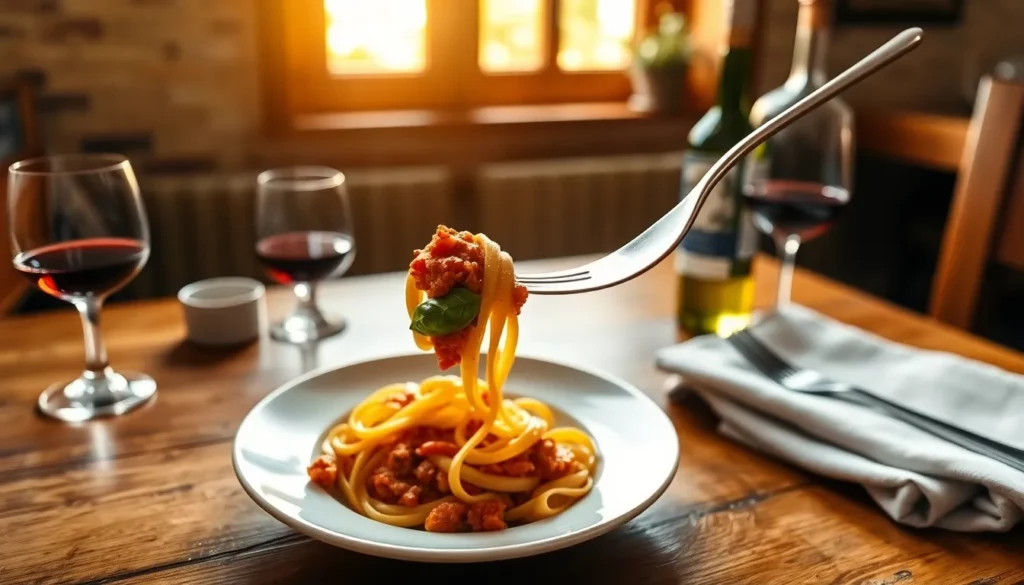
Assaggio (pronounced ah-SAH-joh) is an Italian culinary term and practice referring to a small, carefully prepared portion of a dish—most commonly pasta, risotto, or a single course—served as a taste or preview. Unlike a full primo or secondo, an assaggio is meant to be a bite-sized experience that highlights the chef’s skill and the quality of ingredients. The word itself derives from the Italian verb assaggiare, meaning “to taste” or “to sample.” While not a specific recipe, assaggio represents a philosophy of mindful eating, often found in traditional trattorias and fine-dining establishments across central Italy, particularly in Tuscany and Emilia-Romagna. Key ingredients vary by dish, but the portion is always small—typically two to three tablespoons of pasta or a single slice of meat—and the focus is on intense, balanced flavors.
Origin & History
The practice of serving assaggi dates back to the Renaissance courts of central Italy, where noble hosts would offer small tastes of various dishes to guests as a sign of hospitality and to showcase the kitchen’s range. In the 16th century, cookbooks like Bartolomeo Scappi’s Opera (1570) describe “assaggi” as part of elaborate banquets. However, the modern tradition is most closely associated with the cucina povera (poor kitchen) of Tuscany and Emilia-Romagna, where cooks would use leftover ingredients to create small, flavorful morsels. By the 19th century, assaggi became a staple in rural osterias, served as a complimentary welcome bite or as a way to sample a new wine. Unlike myths that claim assaggio is a recent restaurant trend, historical records confirm its deep roots in Italian conviviality. A unique anecdote: in the town of Modena, it was customary for a host to offer an assaggio of aged balsamic vinegar on a piece of bread—a tradition that continues today.
What’s In It
An assaggio can be made from almost any ingredient, but the core principle is simplicity and quality. Common components include:
- Pasta – Fresh egg pasta like tagliatelle or pappardelle, often dressed with a single sauce (e.g., ragù, butter and sage, or pesto).
- Risotto – A small spoonful of creamy risotto, often flavored with saffron, mushrooms, or seafood.
- Meat or Fish – A thin slice of prosciutto, a piece of grilled fish, or a small meatball.
- Cheese – A cube of Parmigiano-Reggiano or a sliver of pecorino.
- Vegetables – Grilled artichoke hearts, roasted peppers, or a single stuffed zucchini flower.
Preparation nuances: The dish is always cooked al dente (for pasta) or to the perfect doneness, and seasoning is minimal to let the main ingredient shine. Assaggio differs from similar Italian dishes like antipasto (which is a larger, shared starter) or degustazione (a multi-course tasting menu) in that it is a single, tiny portion—often served on a small plate or even a spoon.
Regional Variations
Assaggio traditions vary across Italy, reflecting local ingredients and customs. Below is a comparison of three major regions:
| Region | Typical Assaggio | Key Characteristics |
|---|---|---|
| Tuscany | Pappa al pomodoro (bread and tomato soup) in a small cup | Rustic, peasant-style; often served as a welcome bite with olive oil |
| Emilia-Romagna | Tagliatelle with ragù (a single forkful) | Rich, egg-based pasta; served as a prelude to a larger meal |
| Sicily | Caponata (sweet and sour eggplant) on a crostino | Sweet-sour flavor; often accompanied by a glass of Marsala |
In Lazio, an assaggio might be a small portion of cacio e pepe (cheese and pepper pasta), while in Liguria, it could be a single trofie with pesto. The common thread is that the portion is always small—never more than a few bites—and the dish is chosen to represent the region’s signature flavor.
How It’s Traditionally Eaten
Assaggio is not a course in itself but rather a prelude or intermezzo. It is typically served:
- As a welcome bite – Before the antipasto, often with a glass of wine.
- Between courses – As a palate cleanser or to bridge two dishes.
- As a tasting option – In restaurants, diners may order an assaggio of a dish they are curious about before committing to a full portion.
Course placement: Assaggio is not a primo or secondo; it is an extra, often complimentary. Pairings: A light, dry white wine (e.g., Vermentino) or a sparkling wine (Prosecco) complements most assaggi. Occasions: Assaggi are common in everyday dining at trattorias, but also appear at holiday feasts as a way to sample multiple dishes without overeating. In some homes, an assaggio of panettone is served at Christmas.
Common Mistakes / What It’s Not
Many American-Italian restaurants misuse the term “assaggio” to describe a large appetizer platter or a “tasting menu” of several courses. This is incorrect. Assaggio is a single, tiny portion—not a shared board. Another misconception is that assaggio is a specific dish; in reality, it is a format. For example, “assaggio di pasta” does not mean a specific pasta shape but rather a small taste of whatever pasta the chef prepares. Corrective guidance: When ordering, ask for “un assaggio di…” (a taste of…) and expect a spoonful or two, not a full bowl. Also, assaggio is not a dessert; sweet assaggi exist (e.g., a small piece of tiramisu) but are less common.
Where to Try It / What to Order
To experience authentic assaggio, visit traditional osterias and trattorias in central Italy. Specific recommendations:
- Florence, Tuscany – Trattoria Sostanza: Ask for an assaggio of their famous pollo al mattone (chicken under a brick) served as a small slice.
- Bologna, Emilia-Romagna – Osteria dell’Orsa: They offer a complimentary assaggio of tagliatelle al ragù with each drink order.
- Rome, Lazio – Da Enzo al 29: Request an assaggio of cacio e pepe before ordering a full portion.
- Palermo, Sicily – Antica Focacceria San Francesco: Try an assaggio of panelle (chickpea fritters) on a small plate.
Ordering tip: Use the phrase “Posso avere un assaggio di…?” (Can I have a taste of…?) to sound like a local. Many chefs are happy to oblige, especially during slower hours.
Related Dishes
FAQ
What does 'assaggio' mean in Italian?
Assaggio means 'taste' or 'sampling' in Italian, derived from the verb 'assaggiare' (to taste).
Is assaggio a specific dish?
No, assaggio is a format—a small portion of any dish, often served as a preview or welcome bite.
How is assaggio different from antipasto?
Antipasto is a larger, shared starter course, while assaggio is a single, tiny portion meant for one person.
Can I order an assaggio in a restaurant?
Yes, many Italian restaurants will offer a small taste of a dish if you ask politely, especially during quiet hours.
What is a typical assaggio in Tuscany?
A common Tuscan assaggio is a small cup of pappa al pomodoro (bread and tomato soup) drizzled with olive oil.



Leave a Reply