
Short Answer
What Is Affettati? Italian Cured Meats Explained
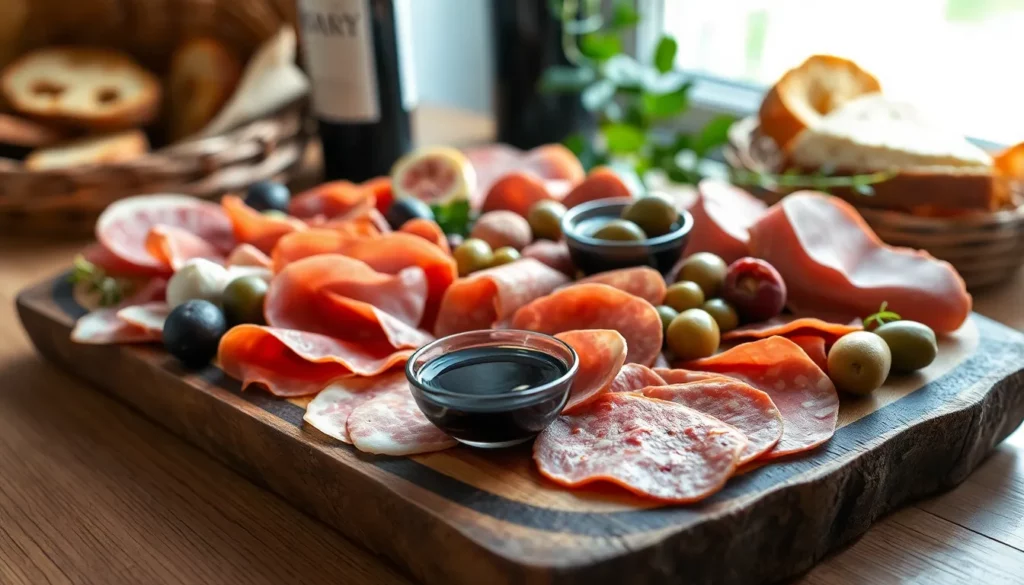
Affettati (pronounced ah-feh-TAH-tee) is the Italian term for a selection of sliced cured meats, typically served as an antipasto. The word literally means “sliced things” and refers to a platter of cold cuts such as prosciutto, salami, mortadella, coppa, bresaola, and speck. These meats are prized for their delicate flavors, artisanal production methods, and deep connection to Italy’s regional culinary traditions. Affettati are often accompanied by cheese, bread, olives, and wine, making them a quintessential starter in Italian meals.
Origin & History
The tradition of curing meats in Italy dates back to ancient times. The Etruscans and Romans developed techniques for salting and air-drying pork to preserve it through winter. By the Middle Ages, each region had perfected its own methods, influenced by local climate, pig breeds, and spices. The term affettati itself emerged in the 19th century as a way to describe the practice of slicing cured meats paper-thin to enhance their texture and flavor. While many myths surround specific products—such as the claim that Prosciutto di Parma must be made only from pigs raised in the Emilia-Romagna region—the historical record shows that these traditions were codified in the 20th century with the establishment of Protected Designation of Origin (PDO) and Protected Geographical Indication (PGI) statuses.
What’s In It
Affettati are made from high-quality pork (and sometimes beef or game), salt, and a blend of spices. The core ingredients vary by type:
- Prosciutto crudo: pork leg, salt, and time (no nitrates in traditional versions).
- Salami: ground pork, fat, salt, garlic, pepper, and red or white wine.
- Mortadella: finely ground pork, pork fat, salt, pistachios, and myrtle berries.
- Coppa: pork shoulder or neck, salt, and spices like cinnamon and nutmeg.
- Bresaola: beef eye of round, salt, and spices (juniper, bay leaf).
- Speck: pork leg, salt, and a light smoking over beechwood.
Preparation involves salting, resting, and air-drying for weeks to months. Unlike American deli meats, Italian affettati are never cooked (except mortadella, which is gently cooked). The key is the balance of fat and lean, and the thin slicing that releases aromas.
Regional Variations
Italy’s regions each boast signature affettati. Below is a comparison of three major areas:
| Region | Signature Affettato | Characteristics |
|---|---|---|
| Emilia-Romagna | Prosciutto di Parma, Mortadella Bologna | Sweet, delicate flavor; mortadella is smooth with visible fat cubes and pistachios. |
| Lombardy | Bresaola della Valtellina | Lean, air-dried beef; deep red color, slightly tangy, often served with arugula and Parmesan. |
| Campania | Salame di Napoli, Capocollo | Spicier, with more garlic and black pepper; capocollo is dry-cured pork neck. |
Other notable variations include Finocchiona from Tuscany (fennel-flavored salami), Speck Alto Adige from South Tyrol (smoked and cured), and Pancetta from central Italy (cured pork belly, often rolled).
How It’s Traditionally Eaten
Affettati are almost always served as an antipasto (starter) before the primo (pasta or rice). They are arranged on a wooden board or ceramic platter, sliced paper-thin, and eaten with bread (like grissini or focaccia) and perhaps a drizzle of extra-virgin olive oil. Pairings include:
- Cheese: Parmigiano-Reggiano, Pecorino, or fresh mozzarella.
- Pickles: giardiniera, olives, or marinated artichokes.
- Wine: Lambrusco (for prosciutto), Nebbiolo (for bresaola), or a crisp Pinot Grigio.
On holidays, affettati are more elaborate, featuring rare cuts like culatello or lardo di Colonnata. Everyday consumption is simpler: a few slices of salami with bread for a quick lunch.
Common Mistakes / What It’s Not
Many non-Italians confuse affettati with generic “charcuterie” or treat them as sandwich fillings. Key clarifications:
- Affettati are not cooked (except mortadella). They are cured, not boiled or roasted.
- They are not meant to be eaten cold from the fridge; they should be brought to room temperature to release flavors.
- They are not a main course; they are a starter or part of a buffet.
- Prosciutto crudo is not the same as prosciutto cotto (cooked ham). The latter is a different product.
- Do not serve affettati with heavy sauces; the focus is on the meat’s natural taste.
In Italy, you would never see affettati served with mayonnaise or ketchup. The correct accompaniment is a simple piece of bread or a drizzle of balsamic vinegar.
Where to Try It / What to Order
For an authentic experience, visit a salumeria (deli) in Italy. In Emilia-Romagna, order a mixed platter of Prosciutto di Parma and Mortadella. In Lombardy, ask for Bresaola della Valtellina with a squeeze of lemon. In Tuscany, try Finocchiona with schiacciata bread. Festivals like the Sagra del Prosciutto in Parma or Festa del Salame in Felino offer tastings. When ordering, specify tagliato a mano (hand-sliced) for the best texture. Avoid pre-packaged slices; they lack the aroma of freshly cut meat.
Related Dishes
FAQ
What is the difference between affettati and charcuterie?
Affettati is the Italian term for sliced cured meats, while charcuterie is a French term that encompasses a broader range of prepared meat products, including pâtés and terrines. Affettati are always sliced and served cold, whereas charcuterie can include cooked items.
Can affettati be part of a main course?
Traditionally, affettati are served as an antipasto (starter) and not as a main course. However, a large platter can be shared as a light lunch or part of a buffet. In Italy, they are rarely the centerpiece of a meal.
How should I store affettati?
Store affettati in the refrigerator, wrapped in parchment paper or a clean cloth to allow them to breathe. Remove them 30 minutes before serving to bring to room temperature. Consume within a few days of slicing for best flavor.
Are all affettati made from pork?
No. While pork is the most common base, bresaola is made from beef, and some regional salami use wild boar, donkey, or horse meat. Always check the label if you have dietary restrictions.
What wine pairs best with affettati?
Light red wines like Lambrusco or Bardolino complement prosciutto and salami. For bresaola, a Nebbiolo or a crisp white like Pinot Grigio works well. Sparkling Prosecco is also a classic choice for an antipasto platter.

Leave a Reply