Short Answer
Getting There
Bolzano is centrally located in the Adige Valley, making it accessible by rail and road from major Italian hubs. The nearest practical international airport is Verona Villafranca Airport (VRN), approximately 90 minutes away by car or shuttle. From Verona, travelers can take a train to Verona Porta Nuova station and transfer to a direct regional or intercity train to Bolzano/Bozen station. Direct train connections are also available from Milan, taking approximately three hours via Trento, and from Venice, though the latter often requires a transfer. For those arriving from Northern Europe, Innsbruck Airport (INN) in Austria is geographically closer, roughly one hour away across the Brenner Pass, but involves cross-border travel considerations despite Schengen agreements. Long-distance buses operate from major cities but are generally slower than the rail network. Upon arrival at Bolzano station, the historic center is within walking distance, or local buses provide immediate access to outer districts.
Getting Around
The historic center of Bolzano is compact and highly walkable, with most major attractions clustered within a 15-minute radius. For destinations beyond the center, such as the Renon plateau or surrounding hills, the local SAD bus network is reliable and frequent. Visitors planning to use public transport extensively should consider the Bolzano Card, which often includes unlimited local bus travel and access to cable cars. Taxis are available but expensive compared to public transit. Ride-sharing services are limited. While having a car offers flexibility for exploring remote valleys, it is a disadvantage within the city center due to Limited Traffic Zones (ZTL) and scarce parking. Most hotels offer parking agreements, but visitors should verify this before booking. Cycling is popular, with dedicated paths along the Talfer River, though the terrain becomes steep quickly outside the valley floor. Accessibility is generally good in the main squares, but cobblestones and historic buildings may present challenges for wheelchairs in specific areas.
Best Time to Visit
Bolzano experiences a humid subtropical climate with Alpine influences. The best time to visit for pleasant weather and hiking is late spring (May to June) and early autumn (September to October), when temperatures are mild and crowds are manageable. Summer (July and August) can be hot and humid in the valley, though it is the peak season for accessing high-altitude trails. Winter (December to February) attracts visitors for the Christmas markets, particularly in December, and for skiing in nearby resorts. January and February are quieter but colder, with some attractions operating on reduced hours. Travelers seeking cultural events should note that museum schedules may vary on Mondays. Price pressure is highest during the Christmas market season and summer holidays. Shoulder seasons offer a balance of open attractions, moderate prices, and comfortable walking conditions. Always verify specific event dates and cable car maintenance schedules before booking, as these can change annually.
Top Things to Do
South Tyrol Museum of Archaeology
This world-renowned museum houses Ötzi the Iceman, a naturally mummified man from around 3300 BCE. It is essential for history enthusiasts and families. The exhibition is detailed and immersive, requiring at least two hours to explore fully. Booking tickets in advance is highly recommended during peak seasons to avoid long queues.
Bolzano Cathedral
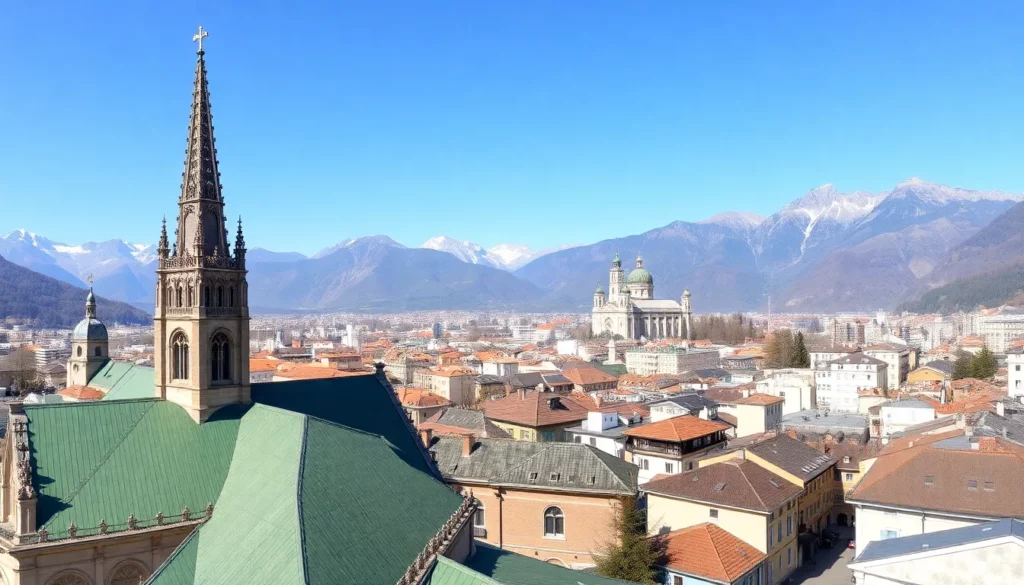
Dominated by its green-tiled spire, this Gothic cathedral stands in the heart of the old town. Visitors can admire the frescoes and the atmospheric interior. It serves as a central landmark for orienting oneself within the pedestrian zone. Dress modestly when entering, as it is an active religious site.
Piazza Walther
The main square is the social hub of Bolzano, lined with cafes and historic buildings including the Town Hall. It is the perfect spot for people-watching and experiencing the bilingual culture. Regular markets and events are held here, providing a glimpse into local daily life.
Castel Roncolo
Perched on a porphyry rock above the city, this castle features well-preserved medieval frescoes depicting courtly life. Reaching it involves a pleasant walk or a short bus ride from the center. It offers panoramic views of the valley and is ideal for photography and history buffs.
Renon Cable Car
Departing from just outside the center, this historic cable car ascends to the Renon plateau. The journey offers stunning views of the Dolomites. Once at the top, visitors can explore hiking trails, visit the Earth Pyramids, or enjoy a coffee with a view. The Bolzano Card often covers this transport.
Talfer Wiesen Meadows
These expansive green spaces along the Talfer River provide a relaxing escape from the urban environment. They are popular for jogging, picnics, and sunbathing in summer. The paths connect the center to the Gries district, offering a scenic walking route.
Museion
Bolzano’s museum of modern and contemporary art is housed in a striking glass building. It hosts rotating exhibitions of international and local artists. It is a key stop for culture seekers wanting to understand the region’s contemporary creative scene beyond traditional history.
Christmas Markets
During Advent, Piazza Walther transforms into one of Italy’s most famous Christmas markets. Wooden stalls sell crafts, food, and mulled wine. It is a major draw for visitors in December. Expect significant crowds and book accommodation well in advance if visiting during this period.
San Genesio Village
Accessible via another cable car, this traditional village offers a quieter Alpine experience. It features a large natural swimming pond in summer and skiing in winter. It is suitable for travelers seeking a half-day escape into nature without driving.
Victory Monument
This fascist-era monument is a controversial but historically significant landmark. It now houses a documentation center explaining the region’s complex 20th-century history. It is recommended for visitors interested in political history and the evolution of South Tyrol’s identity.
Where to Eat
Bolzano’s cuisine is a unique fusion of Italian and Austrian traditions. Local specialties include Speck (cured ham), Knödel (dumplings), and Schlutzkrapfen (spinach and ricotta ravioli). Hearty dishes like goulash and roasted meats are common in mountain gasthof restaurants. For a lighter option, try Tirtlen, fried dough pockets filled with herbs or cheese. The region is also known for its wine, particularly St. Magdalener and Kalterersee, often served in traditional Buschenschank wine taverns. Meal times follow Italian customs, with lunch around 1:00 PM and dinner after 7:30 PM. Many kitchens close between lunch and dinner service. Markets like the Piazza delle Erbe offer fresh produce and local delicacies for a casual lunch. Tipping is not mandatory but rounding up the bill is appreciated. Vegetarian options are increasingly available, though traditional menus are meat-heavy.
Where to Stay
First-time visitors should prioritize the Historic Center for immediate access to museums, dining, and squares. This area is lively but can be noisy during festivals. Budget travelers might consider the area near the Train Station, which offers good transit links and lower prices, though it lacks the charm of the old town. Families often prefer the Gries district, which is quieter, residential, and close to the Talfer Meadows. Couples seeking romance may enjoy boutique options in the center or agriturismos on the surrounding hills. Visitors with a car should verify parking availability, as street parking in the center is restricted. Luxury travelers can find high-end hotels with spa facilities in the city or nearby valleys. Regardless of the neighborhood, booking in advance is crucial during the Christmas market season and summer peaks.
Suggested Itinerary
2-Day Highlights
Day 1: Start at the South Tyrol Museum of Archaeology to see Ötzi. Walk to the Cathedral and Piazza Walther for lunch. Spend the afternoon exploring the shops in the old town and visit the Museion. End with dinner in the center.
Day 2: Take the Renon Cable Car in the morning to explore the plateau and Earth Pyramids. Return for lunch. Visit Castel Roncolo in the afternoon for views and history. Enjoy a farewell dinner featuring local Speck and wine.
4-Day Relaxed Stay
Day 1 & 2: Follow the 2-day highlights itinerary to cover the city core.
Day 3: Dedicate this day to a trip to Merano. Take the train to explore its spas and promenades. Return to Bolzano in the evening.
Day 4: Visit the San Genesio village via cable car for hiking or relaxation. Spend the final afternoon shopping for souvenirs or revisiting favorite spots in the Talfer Meadows.
Local Etiquette & Practical Tips
Bolzano is bilingual, so signs and menus appear in both Italian and German. Greetings such as “Buongiorno” or “Guten Tag” are appreciated when entering shops. Dress codes are casual but neat; cover shoulders and knees when entering churches. Tipping is modest; leaving small change or rounding up is standard. Credit cards are widely accepted, but carrying some cash is wise for smaller markets or mountain huts. Public drinking is generally tolerated, but clean up after yourself. Safety is high, but standard precautions against pickpocketing apply in crowded tourist areas. The emergency number is 112. Many shops close on Sundays and Monday mornings. Wi-Fi is common in hotels and cafes. Tap water is safe to drink throughout the city.
Day Trips from Bolzano
Merano
A historic spa town accessible by a 30-minute train ride. Known for its botanical gardens and thermal baths. Ideal for a full-day relaxation trip. Verify train schedules as frequency varies on weekends.
Ortisei (Val Gardena)
Located in the Dolomites, about 45 minutes by bus. Offers stunning mountain scenery and access to the Seceda lift. Best for hikers and photographers. Requires a full day due to travel time.
Lake Carezza
A small, colorful alpine lake about 40 minutes away by car or bus. Famous for its reflection of the Latemar mountain range. Suitable for a half-day trip, primarily in warmer months when the road is open.
Trento
The capital of the neighboring province, 40 minutes south by train. Features a historic castle and science museum. Good for history enthusiasts wanting to compare regional cultures. Easy to combine with a train journey to Verona.
FAQ
Is Bolzano worth visiting?
Yes, Bolzano offers a unique blend of Italian and Austrian culture, excellent museums like the Ötzi Museum, and easy access to the Dolomites, making it ideal for culture and nature lovers.
How many days do you need in Bolzano?
Two days are sufficient for the city highlights, but 4 days allow for a more relaxed pace and include day trips to Merano or the Dolomites.
Is Bolzano safe and walkable for tourists?
Bolzano is very safe with low crime rates and the historic center is compact and walkable, though public transport is needed for hillside attractions.
Leave a Reply