Short Answer
Getting There
Bergamo is uniquely positioned for international travelers due to the presence of Il Caravaggio International Airport (BGY), often referred to as Milan Bergamo, located just south of the city. This airport serves as a major hub for low-cost carriers across Europe, making it a frequent entry point for visitors heading to Northern Italy. From the airport, direct shuttle buses operate regularly to Bergamo city center, typically arriving at the main bus station near the lower town train station. The journey usually takes around 10 to 20 minutes depending on traffic.
For those arriving via other major hubs, Milan offers excellent connectivity. Milan Malpensa and Milan Linate airports are accessible via train or bus combinations that typically require a transfer in Milan Central Station. High-speed and regional trains operated by Trenitalia and Trenord connect Milan Central to Bergamo’s train station frequently throughout the day. The train journey from Milan generally takes between 50 minutes to one hour. Visitors arriving by car can reach Bergamo via the A4 motorway, though parking in the historic upper town is restricted, necessitating the use of designated parking areas in the lower town followed by a funicular ride.
Getting Around
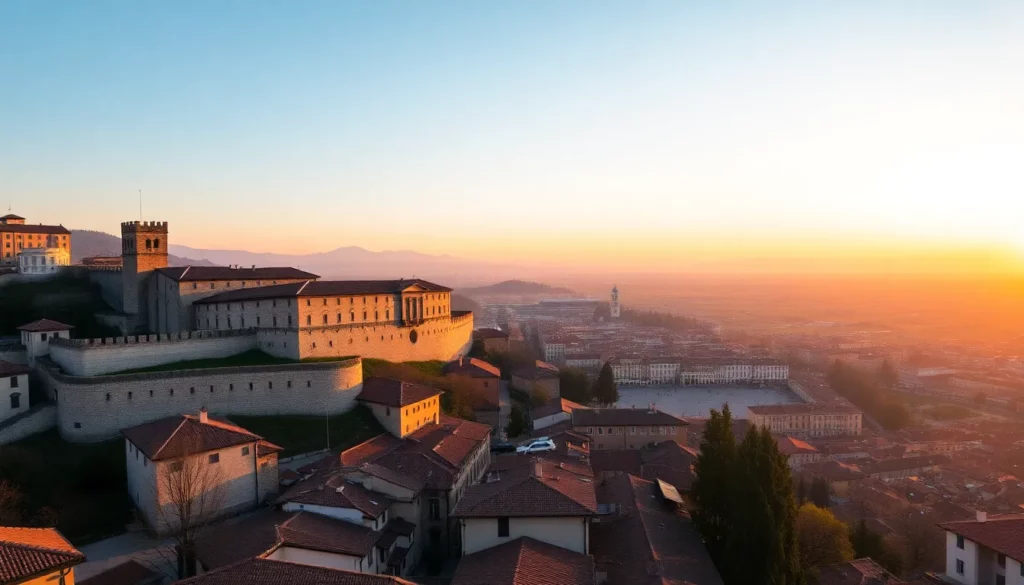
Bergamo is divided into two distinct sections: the Città Alta (Upper Town) and the Città Bassa (Lower Town). The Città Alta is largely pedestrianized, making it ideal for exploring on foot. The primary method of moving between the lower and upper sections is via the historic funicular railways. These cable-driven trains are integrated into the local public transport network and offer a scenic ascent alongside the Venetian Walls. Single tickets or daily passes purchased for the local bus network, managed by ATB, typically cover funicular usage.
Within the Città Bassa, local buses connect the train station, airport shuttle stops, and residential areas. Taxis and ride-hailing services are available but are generally more expensive than public transport. For visitors with mobility issues, the funiculars and most major sites in the Upper Town are accessible, though the cobblestone streets can be uneven. Renting a car is not recommended for staying within the city due to limited traffic zones (ZTL) and scarce parking in the historic center. A vehicle is only advantageous if you plan to explore the surrounding valleys or lakes extensively without relying on regional trains.
Best Time to Visit
The most pleasant times to visit Bergamo are during the shoulder seasons of spring (April to June) and autumn (September to October). During these months, temperatures are mild, typically ranging from 15°C to 25°C, and the crowds are manageable compared to the peak summer period. Spring brings blooming gardens in the Upper Town, while autumn offers clear skies and harvest-related food events. Summer can be hot and humid, with temperatures occasionally exceeding 30°C, and the city may feel crowded with day-trippers from Milan and international tourists.
Winter in Bergamo is cold and can be foggy, particularly in the lower plains, though the Upper Town often escapes the densest fog. December brings festive markets and lights, creating a charming atmosphere despite the chill. Travelers should be aware of local events such as the Fiera di Sant’Alessandro, held around late August, which celebrates the city’s patron saint with markets and cultural events. Accommodation prices tend to rise during major trade fairs in nearby Milan and during the summer high season, so booking in advance is advisable for those periods.
Top Things to Do
Piazza Vecchia
The heart of the Città Alta, Piazza Vecchia is a stunning example of Renaissance urban planning. Surrounded by historic palaces, the Campanone tower, and the Contarini Fountain, it serves as the social hub of the upper city. Visitors can climb the Campanone for panoramic views or simply enjoy a coffee at one of the porticoed cafes. It is the starting point for most walking tours and remains vibrant throughout the day and evening.
Basilica di Santa Maria Maggiore
Located adjacent to Piazza Vecchia, this basilica is renowned for its opulent Baroque interior and lack of a façade, which remains unfinished. The interior features intricate wood inlays, tapestries, and frescoes. It is a significant religious and artistic site, often less crowded than major cathedrals in Rome or Florence, allowing for a more contemplative visit. Check opening hours as it may close during religious services.
Cappella Colleoni
Attached to the Basilica, this mausoleum is a masterpiece of Renaissance architecture. Built for the condottiero Bartolomeo Colleoni, it features a polychrome marble façade and houses his tomb. The artistic detail here is exceptional, making it a must-see for art history enthusiasts. Photography may be restricted inside, so verify signage upon entry.
The Venetian Walls
A UNESCO World Heritage site, these defensive walls encircle the Città Alta and date back to the 16th century. Walking along the ramparts offers elevated views of the lower city and the surrounding plains. Several gates, such as Porta San Giacomo, are iconic photo spots. The paths are suitable for walking and jogging, providing a green space within the historic fortifications.
Accademia Carrara
Located in the Città Bassa, this art gallery houses an impressive collection of Italian Renaissance art, including works by Botticelli, Raphael, and Titian. It is one of the most important pinacothecas in Northern Italy. Art lovers should allocate at least two hours here. The building itself is a neoclassical palace worth admiring.
Città Bassa
The Lower Town offers a contrast to the medieval Upper Town with its wide boulevards, shopping streets like Via XX Settembre, and Liberty-style architecture. It is the center of modern Bergamasque life, featuring parks, contemporary museums, and a lively aperitivo scene. It is the best area to experience local daily life outside the tourist circuit.
San Vigilio
Accessible via a second funicular from the Città Alta, San Vigilio is the highest point of the city. It offers the best panoramic views of the Alps on clear days. The area is quieter and more residential, with a small church and park areas ideal for a picnic. It is a perfect spot for sunset views over the Lombardy plain.
La Rocca
Situated on the highest hill of the Città Alta, the Rocca is a historic fortress that now houses a museum and offers expansive views. The surrounding park is a popular spot for locals to relax. The site provides context on the military history of the region and complements a visit to the Venetian Walls.
Where to Eat
Bergamo’s cuisine is rooted in the traditions of Lombardy, characterized by hearty dishes suitable for the northern climate. The most famous local dish is Casoncelli, a type of stuffed pasta typically filled with breadcrumbs, amaretti cookies, raisins, and meat, served with melted butter and sage. Polenta is another staple, often served with braised meats or mushrooms. Visitors should also seek out Strachitunt, a protected denomination cheese made in the nearby valleys, known for its strong flavor.
Meal times generally follow Italian standards, with lunch served between 12:30 PM and 2:30 PM and dinner starting around 7:30 PM. Many kitchens close between these periods. The city has a strong market culture, with covered markets in the Lower Town offering fresh produce and local specialties. For a casual experience, look for Osterie or Trattorie rather than formal restaurants. Tipping is not mandatory but leaving small change or rounding up the bill is appreciated for good service. Wine from the nearby Franciacorta region is an excellent pairing for local meals.
Where to Stay
Choosing where to stay depends largely on your travel style and itinerary. First-time visitors often prefer the Città Alta for its atmospheric medieval streets and proximity to major sights. However, accommodations here can be pricier, and accessing them with luggage requires using the funicular or navigating steep cobblestone paths. This area is ideal for couples and those seeking a romantic, quiet evening ambiance.
The Città Bassa, particularly near the train station or Viale Vittorio Emanuele, offers more modern hotels and better connectivity for those arriving by train or planning day trips. This area is suitable for budget travelers and families who prioritize ease of transport over historic charm. There are also accommodations near the airport for travelers with early flights, though these are less convenient for sightseeing. Visitors with cars should look for hotels in the Lower Town that offer parking, as driving into the Upper Town is restricted.
Suggested Itinerary
2-Day Highlights
Day 1: Arrive and check into your accommodation. Take the funicular to the Città Alta. Spend the morning exploring Piazza Vecchia, the Basilica di Santa Maria Maggiore, and the Cappella Colleoni. Have lunch in the Upper Town. In the afternoon, walk along the Venetian Walls and visit La Rocca. Enjoy dinner in the Upper Town.
Day 2: Descend to the Città Bassa. Visit the Accademia Carrara in the morning. Walk along Via XX Settembre for shopping and lunch. In the afternoon, take the second funicular to San Vigilio for views. Depart or enjoy a final evening aperitivo in the Lower Town.
4-Day Relaxed Stay
Day 1: Focus on the Città Alta. Explore Piazza Vecchia and the religious complex thoroughly. Visit the Museo delle Scienze Naturali if interested. Dinner in the Upper Town.
Day 2: Dedicate the day to the Città Bassa. Visit Accademia Carrara and the GAMeC contemporary art gallery. Explore the local markets. Evening walk in the lower parks.
Day 3: Take a day trip to Milan or Lake Como using the train connections from Bergamo station. Return in the evening for a relaxed dinner.
Day 4: Visit San Vigilio in the morning. Spend the afternoon shopping for local food products like cheese and polenta. Depart or enjoy a final leisurely meal.
Local Etiquette & Practical Tips
Visitors should dress modestly when entering religious sites such as the Basilica di Santa Maria Maggiore. Shoulders and knees should be covered, especially during summer. Greetings are important; a polite “Buongiorno” (Good day) upon entering shops or cafes is customary. English is widely spoken in tourist areas, but learning a few Italian phrases is appreciated.
Credit cards are accepted in most establishments, but it is wise to carry some cash for small purchases or older establishments. Public restrooms are available in major squares and museums, sometimes requiring a small fee. Safety in Bergamo is generally high, but standard precautions against pickpocketing apply in crowded tourist areas and on public transport. The city is very walkable, though the Upper Town involves hills and stairs. Accessibility is improving, but the historic nature of the Città Alta presents challenges for wheelchairs in some narrow streets.
Day Trips from Bergamo
Milan: Located less than an hour away by train, Milan offers world-class shopping, the Duomo, and The Last Supper. It is best visited as a full-day trip for culture and urban exploration.
Lake Como: Accessible via train and ferry connections, Lake Como provides stunning scenery and historic villas. Towns like Varenna are reachable within roughly an hour and a half. Ideal for a full day of relaxation and sightseeing.
Valtellina: To the north, this valley offers wine tasting, skiing in winter, and historic towns like Tirano. It is suitable for a full-day trip, particularly for food and wine enthusiasts.
Franciacorta: Known for its sparkling wine production, this region is south of Bergamo. It is best explored with a car or organized tour for wine tasting experiences. A half-day or full-day trip is recommended.
Brescia: A neighboring city with significant Roman ruins and a UNESCO site complex. It is a short train ride away and makes for an easy half-day cultural excursion.
FAQ
Is Bergamo worth visiting?
Yes, Bergamo offers a rich blend of history, art, and cuisine with less crowding than major hubs like Venice or Florence, making it highly rewarding for cultural travelers.
How many days do you need in Bergamo?
Two days are sufficient for the main highlights, but four days allow for a relaxed pace, museum visits, and a day trip to nearby lakes or Milan.
Is Bergamo safe and walkable?
Bergamo is generally very safe with low crime rates. The Upper Town is pedestrianized and walkable, though hilly, while the Lower Town is flat and well-connected by public transport.
Leave a Reply