
Short Answer
Getting There
The primary gateway for international and domestic travelers is Naples International Airport (NAP), located approximately 60 kilometers north of the coast. From Naples, visitors typically transfer to the coast via private car, shared shuttle, or public transport. Direct train service does not run along the coast itself; instead, travelers often take a train from Naples Central Station to Sorrento via the Circumvesuviana line or to Salerno via mainline rail. From Sorrento or Salerno, the SITA Sud bus network or seasonal ferries connect the coastal towns. Ferry services operate primarily between April and October, offering a scenic alternative to road travel. All transport schedules and fares are subject to seasonal changes and should be verified with official operators before booking.
Getting Around
Public buses operated by SITA Sud are the backbone of local transport, connecting towns like Positano, Amalfi, and Ravello. However, routes can be crowded during peak season, and traffic congestion is common on the narrow coastal road. Ferries provide a faster and more scenic connection between major towns during the operating season. Walking is essential within the towns themselves, but visitors should be prepared for steep staircases and uneven pavement. Renting a car offers flexibility but is generally discouraged for first-time visitors due to limited parking, high costs, and restricted traffic zones (ZTL) in historic centers. If driving, verify ZTL rules carefully to avoid fines. Taxis and private drivers are available but command premium rates.
Best Time to Visit
The ideal window for visiting the Amalfi Coast is during the shoulder seasons of April to early June and September to October. During these months, weather is typically mild, suitable for hiking and sightseeing, and crowd levels are manageable compared to midsummer. July and August bring intense heat, peak tourist densities, and higher accommodation prices, though all services and beaches are fully operational. Winter months from November to March are quiet, with many hotels, restaurants, and ferry services closed or operating on reduced schedules. Travelers seeking cultural events should check local calendars for religious festivals, which often occur in late spring and summer, but confirm dates annually as they vary.
Top Things to Do
Explore Positano
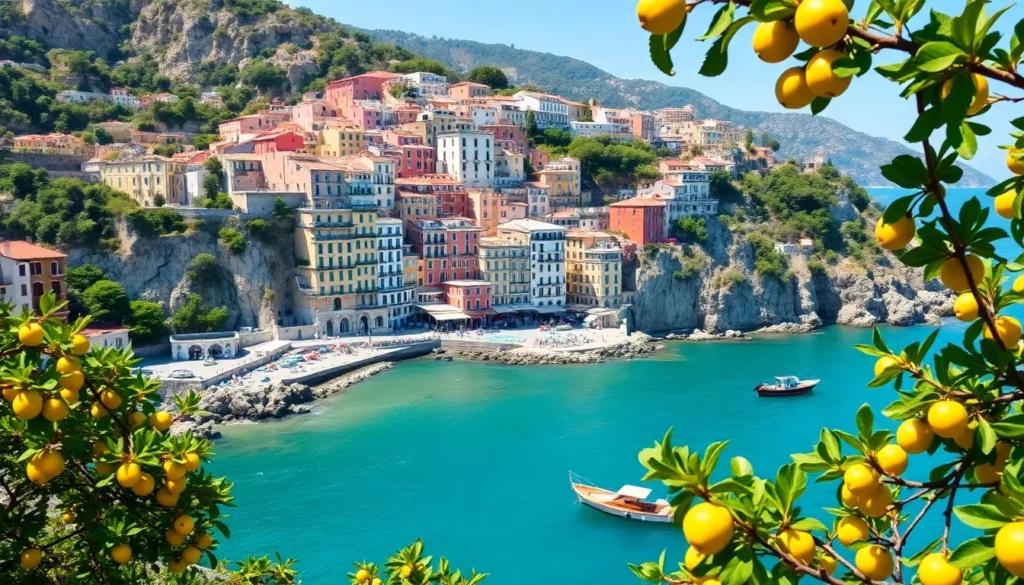
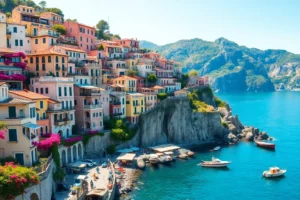
Known for its vertical landscape and colorful buildings, Positano is the iconic image of the coast. Wander the pedestrianized streets, shop for linen and ceramics, and relax on the main beach. It suits travelers seeking luxury and photography opportunities, but expect crowds during the day.
Visit Amalfi Cathedral
The Cathedral of Saint Andrew in Amalfi town is a historic landmark featuring a striking striped facade and a cloister. It is central to understanding the region’s maritime history. Visit early to avoid tour groups and check opening hours around religious holidays.
Wander Ravello’s Gardens
Perched high above the sea, Ravello offers cooler temperatures and panoramic views. The gardens of Villa Cimbròne and Villa Rufolo are major attractions, appealing to those interested in landscape architecture and classical music concerts held in summer.
Hike the Path of the Gods
This ancient footpath connects Bomerano to Nocelle above Positano. It offers breathtaking vistas of the coastline and is suitable for moderately fit hikers. Wear sturdy shoes and carry water, as there is limited shade and few services along the trail.
Take a Boat Tour
Seeing the coast from the water provides perspective on the dramatic cliffs. Options range from shared group boats to private rentals. Verify safety equipment and insurance coverage with the operator, and confirm if swimming stops are included.
Discover Pompeii
Located nearby, the archaeological park of Pompeii offers a glimpse into Roman life preserved by volcanic ash. It requires a half-day to full-day commitment. Purchase tickets in advance during peak season to avoid long entry lines.
Relax on the Beaches
Beaches vary from pebbly shores in Positano to sandy stretches in Maiori. Many beaches are managed by lidos that charge for chair and umbrella rentals. Public free sections exist but fill quickly in summer.
Tour a Lemon Grove
The region is famous for its sfusato lemons. Some farms offer tours explaining the cultivation process and production of limoncello. This is a culturally immersive activity suitable for food enthusiasts.
Where to Eat
Cuisine along the coast is distinctly Campanian, emphasizing fresh seafood, local produce, and handmade pasta. Signature dishes include scialatielli (a short, thick pasta) served with seafood or fresh tomatoes, and delizia al limone, a sponge cake soaked in limoncello. Dining times typically align with Italian customs, with lunch served from 1:00 PM to 3:00 PM and dinner from 8:00 PM onwards. Many kitchens close between these services. Tipping is not mandatory but leaving small change or 5-10% for exceptional service is appreciated. Cover charges (coperto) are standard. For authentic experiences, look for establishments away from the immediate waterfront promenade in major towns.
Where to Stay
Positano is ideal for luxury travelers and those wanting immediate access to iconic views, though it is expensive and busy. Amalfi town offers a central hub with better transport connections and a mix of mid-range to high-end options. Ravello suits couples and travelers seeking tranquility and culture, but requires bus travel to reach the sea. Sorrento, while technically outside the coast proper, serves as a practical base with more affordable lodging and direct train links to Naples. Maiori and Minori offer quieter atmospheres and better value for families or visitors with cars, featuring longer beaches and less congestion.
Suggested Itinerary
2-Day Highlights
Day 1: Arrive in Sorrento or Amalfi. Spend the morning exploring Amalfi Town and the Cathedral. Take a afternoon ferry to Positano for sunset views and dinner. Day 2: Morning visit to Ravello’s gardens. Afternoon boat tour along the coast with swimming stops. Departure.
4-Day Relaxed Stay
Day 1: Settle into accommodation in Amalfi or Positano. Walk the local streets and enjoy a seaside dinner. Day 2: Full day exploring Positano, including shopping and beach time. Day 3: Morning hike on the Path of the Gods. Afternoon relaxation in Ravello. Day 4: Day trip to Pompeii in the morning. Return for a farewell dinner featuring local seafood specialties.
Local Etiquette & Practical Tips
Visitors should dress modestly when entering churches, covering shoulders and knees. Greetings are important; a polite “Buongiorno” (Good morning) or “Buonasera” (Good evening) upon entering shops is expected. Credit cards are widely accepted, but carrying some cash is advisable for small vendors or buses. Pickpocketing can occur in crowded tourist areas, so secure valuables. The coast is generally safe, but traffic accidents are a risk due to narrow roads; exercise caution when crossing streets. Accessibility is limited in many historic areas due to stairs and steep inclines. Verify specific access needs with accommodation providers in advance.
Day Trips from Amalfi Coast
Capri: Accessible by ferry from Positano or Amalfi. Best as a full-day trip to explore the gardens, towns, and boat caves. Pompeii: Reachable by train or car. Requires at least half a day to explore the ruins properly. Naples: Direct train or car access. Suitable for a day of museum visits and urban culture, though traffic can be heavy. Paestum: Located south of Salerno, featuring well-preserved Greek temples. Best visited by car or organized tour as public transport connections are less frequent. Sorrento: While often a base, it warrants a day for its own historic center and cliffside views if staying elsewhere on the coast.
FAQ
Is Amalfi Coast worth visiting?
Yes, for travelers seeking dramatic scenery, historic towns, and Mediterranean cuisine, though it requires planning for crowds and transport.
How many days do you need in Amalfi Coast?
A minimum of 3 days allows for highlights, but 5 days provides a relaxed pace to explore multiple towns and day trips.
Is the Amalfi Coast safe and walkable?
It is generally safe, but towns involve steep stairs and hills. Traffic on roads can be heavy, so walking within towns is preferred over driving.


Leave a Reply