
Short Answer
What It Is
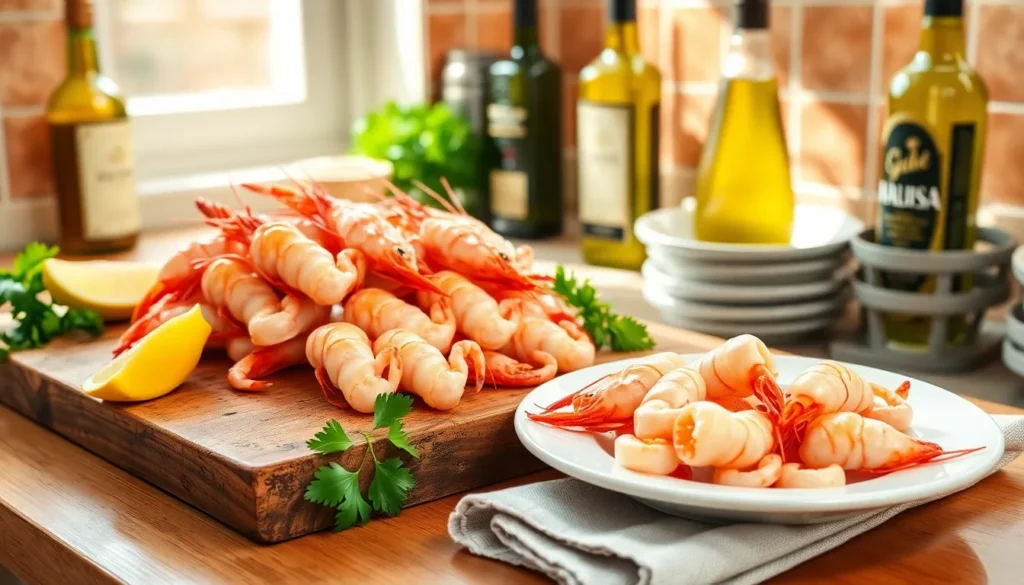
In Italian gastronomy, scampi (singular: scampo) refers to the langoustine, a small, lobster-like crustacean scientifically known as Nephrops norvegicus. Unlike the American usage of “scampi” to denote a shrimp dish, authentic Italian scampi are the delicate, clawed nephrops that inhabit the cold, clean waters of the Adriatic Sea, the North Atlantic, and the Mediterranean. They are prized for their sweet, tender meat and are often referred to as “the lobster of the poor” due to their affordability compared to true lobsters, though high-quality specimens command premium prices.
Scampi are typically caught by trawling or creeling, with the best examples coming from the Adriatic (especially around the Gulf of Venice and the Croatian coast) and from Scottish waters (where they are known as langoustines). In Italy, they are protected under the Slow Food Presidium for the “Scampo di San Pietro” (San Pietro scampi) from the Adriatic, which highlights sustainable fishing practices and the product’s superior quality. While there is no official DOP (Denominazione di Origine Protetta) for scampi as a broad category, some regional products like “Scampi di Mazara” (though technically a different species) are recognized under PGI (Protected Geographical Indication). The true scampi, Nephrops norvegicus, is celebrated for its firm, translucent white meat and its bright orange-pink shell when cooked.
Types & Grades
Scampi are classified primarily by size, origin, and whether they are sold raw or cooked. The following table outlines the common grades and their characteristics:
| Grade / Type | Size (per kg) | Origin | Typical Use |
|---|---|---|---|
| Extra Large (U10) | Fewer than 10 pieces | Adriatic, Scottish | Grilled whole, roasted, or as a luxury appetizer |
| Large (10–15) | 10–15 pieces | Adriatic, North Atlantic | Grilled, sautéed in garlic and white wine |
| Medium (16–20) | 16–20 pieces | Mediterranean, Atlantic | Pasta dishes, risotto, or fried |
| Small (21–30) | 21–30 pieces | Various | Soups, stews, or as a flavor base |
| Cooked / Frozen | Variable | Often imported | Salads, cold appetizers, or quick pastas |
Additionally, scampi are graded by freshness: live (highest quality, often sold in tanks), fresh chilled (never frozen, displayed on ice), and frozen (commonly found, but texture may suffer). Authentic Italian recipes almost always call for fresh or live scampi.
How It’s Used in Cooking
Scampi are incredibly versatile in Italian cuisine. Their sweet, delicate flavor pairs beautifully with simple preparations that let the meat shine. Traditional applications include:
- Scampi alla Griglia – Grilled whole scampi brushed with olive oil, lemon, and herbs. A classic summer dish along the Adriatic coast.
- Scampi in Bianco – Poached or steamed scampi served with a drizzle of extra-virgin olive oil and a squeeze of lemon. Often served as an antipasto.
- Risotto con Scampi – A creamy risotto where the scampi shells are used to make a flavorful broth, and the meat is added at the end. A signature dish of Venice and Friuli-Venezia Giulia.
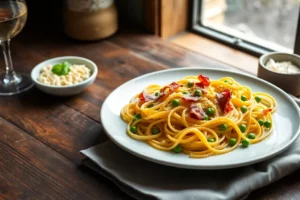
- Spaghetti allo Scampo – Pasta with scampi, garlic, white wine, cherry tomatoes, and fresh parsley. This dish is often mistakenly called “shrimp scampi” in the US, but authentic Italian versions use whole langoustines.
- Bisque di Scampi – A rich, velvety soup made from the shells, often finished with a splash of brandy and cream.
In professional kitchens, scampi are often used to elevate seafood platters, as a garnish for fish dishes, or as the star ingredient in luxury tasting menus. The meat is also used in ravioli fillings or as a topping for bruschetta.
How to Choose/Identify Authentic Scampi
When purchasing scampi, look for these authenticity cues:
- Appearance: Fresh scampi have a translucent, slightly pinkish shell with a firm body. The eyes should be bright and black, not sunken or cloudy. Avoid any with a strong ammonia smell.
- Origin Labeling: Authentic Italian scampi will often be labeled as “Nephrops norvegicus” and may indicate the fishing zone (e.g., FAO 37 for Mediterranean, FAO 27 for Northeast Atlantic). Look for “Scampo di San Pietro” or “Scampi del Mediterraneo” for regional assurance.
- Texture: The meat should be firm and spring back when pressed. Frozen scampi may have a softer texture; check for ice crystals or freezer burn.
- Certifications: While no DOP exists for generic scampi, look for MSC (Marine Stewardship Council) certification for sustainable fishing, or Slow Food Presidium labels for artisanal products.
- Price: Genuine large scampi are expensive. If the price seems too good, it may be a substitute like common shrimp or langoustines of lower quality.
For commercial buyers, always request a certificate of origin and species identification to ensure you are getting Nephrops norvegicus and not a cheaper alternative.
Substitutes
If authentic scampi are unavailable, Italian chefs may use these substitutes, each with specific considerations:
- Gamberi Rossi (Red Shrimp) – Especially Gambero rosso di Mazara (PGI). These are larger, sweeter, and have a similar texture. They are often used in pasta and risotto dishes as a direct replacement.
- Mazzancolle (Carabineros) – Large, deep-sea prawns with a striking red color and intense flavor. They are more expensive but can stand in for scampi in grilled or sautéed preparations.
- Astice (Lobster) – For special occasions, lobster meat can replace scampi, though the flavor is more robust and the texture firmer. Use in bisques or as a main course.
- Gamberetti (Common Shrimp) – Only for budget-friendly versions of dishes like spaghetti allo scampo, but the flavor will be less refined. Avoid for premium recipes.
When substituting, adjust cooking times and seasoning to match the substitute’s characteristics. For example, red shrimp cook faster than scampi and require less salt.
Conclusion
Scampi, the langoustine of Italian cuisine, is a treasure of the sea that deserves respect and proper handling. From its sustainable fishing in the Adriatic to its starring role in classic dishes like risotto and grilled platters, understanding scampi’s grades, authenticity markers, and culinary applications elevates any seafood experience. Whether you are a home cook or a professional chef, choosing authentic Nephrops norvegicus ensures the sweet, delicate flavor that defines true Italian scampi.
FAQ
What is the difference between scampi and shrimp?
In Italian cuisine, scampi are langoustines (Nephrops norvegicus), which have claws and a more delicate, sweet flavor. Shrimp (gamberi) are smaller, lack claws, and have a different texture. In the US, 'scampi' often refers to a shrimp dish, but authentic Italian scampi are a distinct crustacean.
Are scampi sustainable?
Sustainability depends on the fishing method and region. Look for MSC-certified scampi or those from the Slow Food Presidium (Scampo di San Pietro), which promote responsible trawling and creeling. Overfishing is a concern in some areas, so choosing certified products helps.
Can I substitute frozen scampi for fresh?
Yes, but the texture may be softer and the flavor less pronounced. For best results, thaw frozen scampi slowly in the refrigerator and use them in cooked dishes like pasta or risotto rather than raw preparations. Avoid refreezing.
Leave a Reply