
Short Answer
What It Is
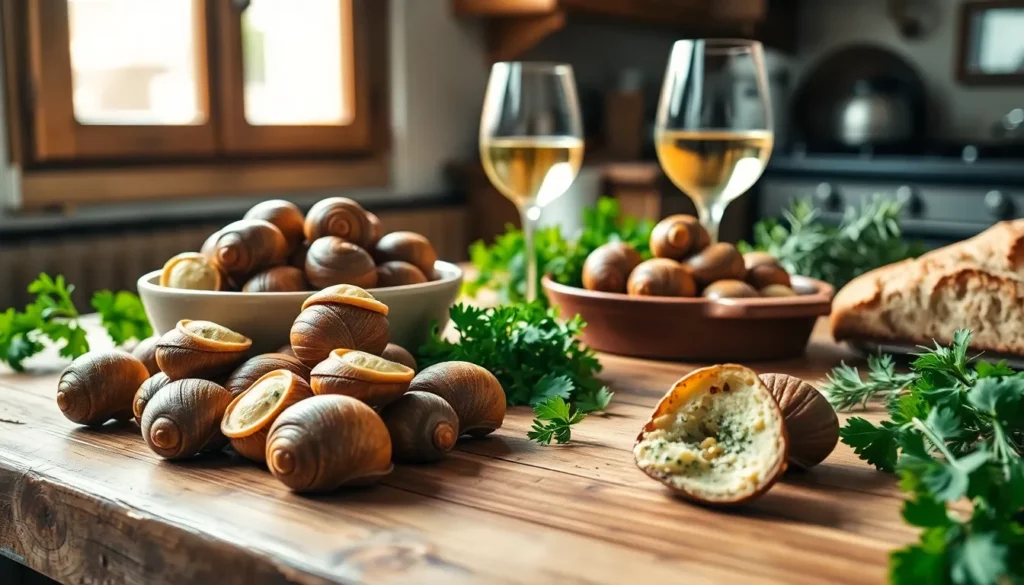
Lumache (singular: lumaca) is the Italian term for edible land snails, a gastronomic delicacy deeply rooted in the country’s culinary heritage. The most renowned Italian snail is the Lumaca di Cherasco, which has been awarded Protected Geographical Indication (PGI) status by the European Union. This certification guarantees that the snails are bred, raised, and processed in the Piedmont region, specifically in the province of Cuneo, following strict traditional methods.
The production of Lumaca di Cherasco begins with the Helix pomatia species, also known as the Roman snail, which is native to central and southern Europe. The snails are raised in outdoor parks (called chiocciolaie) where they feed on a diet of wild herbs, grains, and vegetables, giving the meat a delicate, slightly earthy flavor. After reaching maturity (typically 2–3 years), they undergo a controlled fasting period to purge impurities, followed by a thorough cleaning and blanching. The final product is sold either live, cooked, or preserved in brine or glass jars.
Another notable PGI snail is the Lumaca di Borgotaro, produced in the Emilia-Romagna region. While less internationally known, it shares similar artisanal practices and is prized for its tender texture. Both PGI designations ensure traceability and adherence to a strict disciplinary code that governs every step from breeding to packaging.
Types & Grades
Italian lumache are classified primarily by species, size, and preparation method. The table below outlines the main grades and their characteristics.
| Grade / Type | Species | Size (diameter) | Typical Use | Notes |
|---|---|---|---|---|
| Extra Large (Extra) | Helix pomatia | > 40 mm | Stuffed, baked, or grilled | Premium grade, often served in shells |
| Large (Prima) | Helix pomatia | 35–40 mm | Classic escargot dishes | Most common for traditional recipes |
| Medium (Seconda) | Helix pomatia or Helix aspersa | 28–35 mm | Stews, sauces, or terrines | More affordable, good for minced preparations |
| Small (Terza) | Helix aspersa (petit gris) | < 28 mm | Snail butter, appetizers | Often used in mixed dishes or as garnish |
| Preserved (in brine/jar) | Any species | Varies | Convenient cooking | Ready-to-use, but texture softer than fresh |
In addition to size, snails are graded by their age (young vs. mature) and diet (wild vs. farmed). Mature snails (2–3 years) have firmer, more flavorful meat, while younger ones are more tender. Wild snails are considered more intense in flavor but are less common due to sustainability concerns.
How It’s Used in Cooking
Italian cuisine treats lumache as a versatile ingredient, often featured in antipasti, primi, and secondi. The most iconic preparation is lumache alla bourguignonne (a French influence, but widely adopted in northern Italy), where snails are baked with garlic-herb butter and served in their shells. However, traditional Italian recipes take a more rustic approach.
Regional Specialties
- Piedmont: Lumache alla piemontese – snails simmered in a sauce of tomatoes, anchovies, garlic, and parsley, often served over polenta or with crusty bread.
- Emilia-Romagna: Lumache di Borgotaro in umido – snails braised with white wine, rosemary, and sage, finished with a touch of cream.
- Tuscany: Lumache in guazzetto – snails cooked in a light broth with tomatoes, chili, and fresh herbs, served as a soup.
- Lazio: Lumache alla romana – snails sautéed with garlic, mint, and pecorino cheese, then baked.
Beyond these classics, lumache are also used in risotti (snail risotto), pasta sauces (especially with pappardelle), and terrines or pâtés. The cooking process typically involves a long, gentle simmer to tenderize the meat, often preceded by a blanching step to remove any residual slime.
“The snail is a humble creature, but in the hands of a skilled cook, it becomes a canvas for the flavors of the land.” – Traditional Piedmontese saying
How to Choose/Identify Authentic Lumache
When purchasing lumache, especially for a recipe that demands authenticity, follow these guidelines:
- Look for the PGI label: For the highest quality, seek out Lumaca di Cherasco PGI or Lumaca di Borgotaro PGI. The EU logo guarantees origin and production standards.
- Check the species: Authentic Italian snails are typically Helix pomatia (Roman snail) or Helix aspersa (petit gris). Avoid generic “escargot” from unknown sources.
- Examine the shell: A healthy snail has a clean, intact shell with a distinct spiral pattern. Live snails should be active and retract when touched.
- Read the label: For preserved snails, the ingredients should be minimal – snails, water, salt, and perhaps a bay leaf. Avoid products with long lists of preservatives or artificial flavors.
- Ask about the diet: Farmed snails fed on a natural diet of herbs and grains produce superior flavor. Some producers offer “wild” snails, but these are rarer and may be subject to overharvesting.
- Consider the size: For traditional recipes, large (35–40 mm) snails are ideal. Extra-large are best for stuffing, while smaller ones work well in sauces.
For commercial buyers, establishing a direct relationship with a certified producer in Piedmont or Emilia-Romagna ensures consistent quality and traceability.
Substitutes
If authentic Italian lumache are unavailable, several Italian substitutes can be used, each with its own character:
- Lumache di Borgotaro (PGI) – A direct substitute from Emilia-Romagna, slightly smaller but equally flavorful. Use in any recipe calling for Cherasco snails.
- Escargot de Bourgogne (French PGI) – The French cousin, also Helix pomatia, with a similar taste and texture. Ideal for recipes that are not strictly regional.
- Petit Gris (Helix aspersa) – Smaller and more tender, these are common in Italian markets. They work well in sauces and terrines but may require adjustment in cooking time.
- Canned or jarred Italian snails – Many Italian producers export preserved snails. While not as firm as fresh, they are convenient and still carry the regional flavor if sourced from PGI areas.
Note that non-Italian substitutes (e.g., canned French escargot from unknown origin) may lack the terroir-driven taste that defines authentic lumache. For the best results, always opt for a PGI-certified product.
Conclusion
Lumache are far more than a novelty ingredient; they represent a centuries-old tradition of sustainable farming and culinary artistry. From the PGI-certified snails of Cherasco and Borgotaro to the diverse regional recipes that showcase their delicate flavor, Italian snails offer a unique taste of the land. Whether you are a professional chef or a home cook, understanding the grades, production methods, and authenticity cues will elevate your dishes and connect you to Italy’s gastronomic heritage.
FAQ
What is the difference between Lumaca di Cherasco and Lumaca di Borgotaro?
Both are PGI-certified Italian snails, but they come from different regions. Lumaca di Cherasco (Piedmont) is typically larger and has a more delicate flavor due to the specific diet of wild herbs. Lumaca di Borgotaro (Emilia-Romagna) is slightly smaller and often used in braised dishes. Both are excellent, but the choice depends on the recipe and personal preference.
Are Italian snails the same as French escargot?
While both are edible land snails, Italian lumache often come from specific PGI regions and are raised on a natural diet of local herbs, giving them a distinct terroir. French escargot (e.g., Escargot de Bourgogne) is also a PGI product but from Burgundy. The species (Helix pomatia) is similar, but the flavor and texture can vary due to different farming practices.
How should I store fresh lumache before cooking?
Live snails should be kept in a cool, humid environment (e.g., a ventilated container with a damp cloth) in the refrigerator at 4–8°C. They can be stored for up to a week, but it's best to cook them within a few days. Do not seal them in an airtight container, as they need oxygen. Preserved snails (in brine or jars) should be refrigerated after opening and used within a few days.
Can I eat the shell of a snail?
No, the shell is not edible. It is used as a serving vessel for baked snails (e.g., with garlic butter) but should be removed before eating. The meat is extracted with a small fork or pick.
What is the best way to clean fresh snails?
Fresh snails must be purged before cooking. Place them in a container with a little cornmeal or flour and a damp cloth for 2–3 days to cleanse their digestive system. Then wash them thoroughly under cold running water, scrubbing the shells. Blanch in boiling water for 3–5 minutes, then remove the meat from the shell (if desired) and rinse again. The shells can be cleaned and reused for serving.


Leave a Reply