
Short Answer
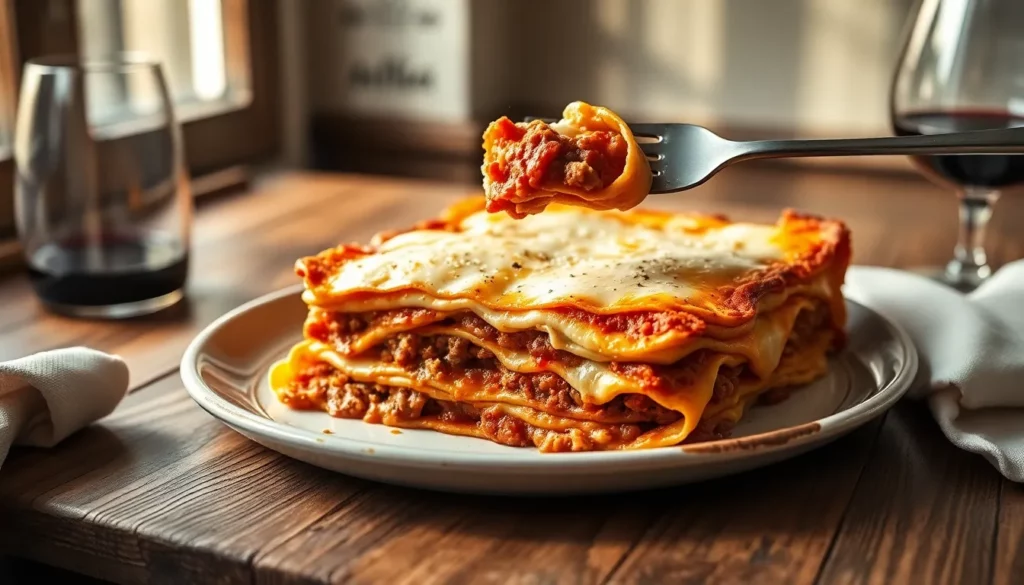
Lasagna, one of Italy’s most iconic pasta forms, is a versatile and beloved ingredient that has been layered into culinary history for centuries. Whether you know it as lasagne (the plural form used in Italian) or the singular English adaptation, this wide, flat pasta sheet is the foundation of countless regional dishes. From the rich, meaty ragù of Bologna to the lighter seafood versions of the coasts, lasagna embodies the art of Italian layering. This comprehensive guide delves into its origins, production methods, types, and practical tips for selecting and using authentic lasagna.
What It Is
Lasagna is a type of pasta made from durum wheat semolina or soft wheat flour and eggs, rolled into thin, wide sheets. The sheets are typically rectangular, measuring about 10–12 cm in width and 20–25 cm in length, though sizes vary by producer. The name derives from the Greek laganon (a flat sheet of dough) and the Latin lasanum (cooking pot), reflecting its ancient roots. Modern lasagna is most closely associated with the Emilia-Romagna region, particularly Bologna, where the traditional lasagne alla bolognese was codified by the Accademia Italiana della Cucina. However, Campania also boasts a strong lasagna tradition, with lasagne di Carnevale featuring ricotta, meatballs, and mozzarella.
Production methods differ between fresh and dried lasagna. Fresh lasagna (pasta all’uovo) is made with soft wheat flour and eggs, rolled by hand or machine into thin sheets that are briefly cooked before layering. Dried lasagna (pasta secca) is made from durum wheat semolina and water, extruded through bronze dies to create a rough, porous surface that holds sauce well. While there is no specific DOP (Denominazione di Origine Protetta) for lasagna sheets, the PGI (Protected Geographical Indication) Pasta di Gragnano includes lasagna made in the Gragnano area of Campania, ensuring traditional methods and local wheat. Additionally, the Pasta all’Uovo di Felino PGI covers fresh egg pasta from Felino, Parma, which includes lasagna sheets.
Types & Grades
Lasagna sheets vary by ingredients, texture, and intended use. The table below outlines the main types and their characteristics.
| Type | Ingredients | Texture & Cooking | Best Use |
|---|---|---|---|
| Fresh Egg Lasagna (Pasta all’Uovo) | Soft wheat flour, eggs (minimum 4 per kg flour) | Thin, tender; cooks in 1–2 minutes | Traditional baked lasagna (Bolognese, Neapolitan) |
| Dried Durum Wheat Lasagna | Durum wheat semolina, water | Firm, porous; requires boiling 8–10 minutes | Hearty baked dishes, no-boil versions available |
| Whole Wheat Lasagna | Whole durum wheat flour, water | Nutty flavor, denser; cooking time similar to dried | Health-conscious recipes, vegetable lasagnas |
| Gluten-Free Lasagna | Rice flour, corn flour, or legume flours | Delicate, may require careful handling | Gluten-free diets, often used in baked dishes |
| Lasagne Verdi (Green Lasagna) | Fresh egg pasta with spinach puree | Green color, mild spinach flavor | Traditional Bolognese lasagna (often layered with ragù and béchamel) |
| Lasagne Ricce (Curly Lasagna) | Durum wheat semolina, water; rippled edges | Ridged surface for better sauce adhesion | Baked dishes where extra texture is desired |
Grades of lasagna are often defined by the egg content in fresh pasta. The Italian Ministry of Agricultural Policies recognizes Pasta all’Uovo with a minimum of 4 eggs per kilogram of flour as the standard for artisanal quality. Some premium producers use 6 or even 8 eggs for a richer, more golden sheet. For dried lasagna, the grade is determined by the type of semolina (fine vs. coarse) and the drying process (low-temperature vs. high-temperature). Bronze-drawn lasagna (trafilata al bronzo) is considered superior because the rough surface holds sauces better.
How It’s Used in Cooking
Lasagna is primarily used in baked dishes (lasagne al forno), where layers of pasta are alternated with sauces, cheeses, and other fillings. The most famous application is Lasagne alla Bolognese, a dish from Bologna that layers fresh egg lasagna with a slow-cooked ragù (meat sauce), béchamel sauce, and Parmigiano-Reggiano cheese. The recipe was officially registered by the Accademia Italiana della Cucina in 1982. Another classic is Lasagne di Carnevale from Naples, which includes ricotta, mozzarella, meatballs, hard-boiled eggs, and tomato sauce. In Liguria, lasagna is often paired with pesto, potatoes, and green beans. Vegetarian versions use spinach, mushrooms, or roasted vegetables.
“The true lasagna of Bologna is a symphony of thin, delicate pasta layers, each one a whisper of egg and flour, embracing a rich, slow-cooked ragù and a velvety béchamel.” – Pellegrino Artusi, Science in the Kitchen and the Art of Eating Well (1891)
No-boil lasagna sheets, introduced in the mid-20th century, are a convenient innovation. They are pre-cooked during drying and require only the moisture from the sauce to soften during baking. While not traditional, they are widely used in home kitchens. Professional chefs often prefer fresh or fully boiled dried sheets for superior texture. Lasagna can also be used in non-baked preparations, such as lasagne pasticciate (layered and served immediately) or cut into strips for soups like minestra di lasagne.
How to Choose/Identify Authentic LASAGNA
Selecting authentic lasagna sheets is essential for achieving the best results in traditional recipes. Here are key factors to consider:
- Check the PGI/DOP label: Look for Pasta di Gragnano PGI on dried lasagna packages. This guarantees the pasta is made in the Gragnano area using local durum wheat and traditional bronze-die extrusion. For fresh egg pasta, seek Pasta all’Uovo di Felino PGI.
- Read the ingredient list: Authentic dried lasagna should contain only durum wheat semolina and water. No artificial colors or preservatives. Fresh egg pasta should list soft wheat flour and eggs (with a minimum of 4 eggs per kg). Avoid products with added colorings like turmeric or annatto.
- Examine the texture: Bronze-drawn dried lasagna has a rough, matte surface that feels slightly sandy. This texture is crucial for sauce adhesion. Fresh lasagna should be smooth, pliable, and pale yellow, not bright yellow.
- Check the packaging: Authentic Italian producers often use transparent windows to show the pasta. Look for a production location in Italy (e.g., Gragnano, Felino, or Bologna). The package should indicate “trafilata al bronzo” for dried pasta.
- Consider the cooking time: Traditional dried lasagna requires 8–10 minutes of boiling. No-boil sheets are a modern convenience but may not deliver the same al dente texture. For fresh lasagna, cooking time is 1–2 minutes.
For commercial buyers, sourcing from reputable Italian mills and pasta factories ensures consistency. The Consorzio di Tutela della Pasta di Gragnano provides a list of certified producers.
Substitutes
While lasagna is unique, several Italian pasta shapes can substitute in specific dishes. The choice depends on the recipe and desired texture.
- Pappardelle: Wide, flat ribbons (about 2–3 cm wide) that can be layered in a baking dish. They are thicker than lasagna and work well with hearty ragùs. Use in lasagna-style bakes if you cut them to size.
- Fettuccine: Narrower than lasagna (about 1 cm), but can be used in layered dishes if arranged in a single layer. Best for lighter sauces.
- Lasagnette: A narrower version of lasagna (about 2–3 cm wide) that is often used in baked pasta dishes. It offers a similar texture but with less surface area.
- Cannelloni: Tube-shaped pasta that can be stuffed and baked. While not layered, it provides a similar combination of pasta, filling, and sauce. Use when you want individual portions.
- Zucchini or Eggplant Slices: For low-carb or gluten-free alternatives, thinly sliced and grilled zucchini or eggplant can replace pasta sheets. They work well in vegetable lasagnas.
When substituting, consider the cooking time and moisture content. Fresh pasta substitutes may require less baking time, while dried alternatives need pre-boiling. No-boil lasagna sheets have no direct substitute; if using regular pasta, you must boil it first.
In conclusion, lasagna is a cornerstone of Italian cuisine, offering endless possibilities for layering flavors and textures. Whether you choose fresh egg sheets from Emilia-Romagna or dried bronze-drawn pasta from Gragnano, understanding its origins and types will elevate your cooking. By selecting authentic products and respecting traditional techniques, you can create lasagna dishes that honor centuries of Italian culinary heritage.
FAQ
What is the difference between fresh and dried lasagna sheets?
Fresh lasagna sheets are made with soft wheat flour and eggs, resulting in a tender, delicate texture that cooks in 1–2 minutes. Dried lasagna sheets are made from durum wheat semolina and water, giving a firmer, more porous texture that requires 8–10 minutes of boiling. Fresh sheets are traditional for Bolognese lasagna, while dried sheets are more common in commercial production and no-boil varieties.
Can I use no-boil lasagna sheets in any recipe?
No-boil lasagna sheets are designed to soften during baking using moisture from the sauce. They work best in recipes with a high-moisture sauce (e.g., tomato-based or béchamel). However, they may not achieve the same al dente texture as pre-boiled sheets. For traditional recipes, especially those with less sauce, pre-boiling dried or using fresh sheets is recommended.
What is the best cheese for lasagna?
For authentic Italian lasagna, Parmigiano-Reggiano DOP is essential for its nutty, salty flavor. Mozzarella (preferably fior di latte) adds creaminess and stretch. Ricotta is used in Neapolitan-style lasagna for a soft, milky layer. Some recipes also include provola or pecorino. Avoid pre-shredded cheeses, as they contain anti-caking agents that affect melting.

Leave a Reply