Short Answer
What It Is
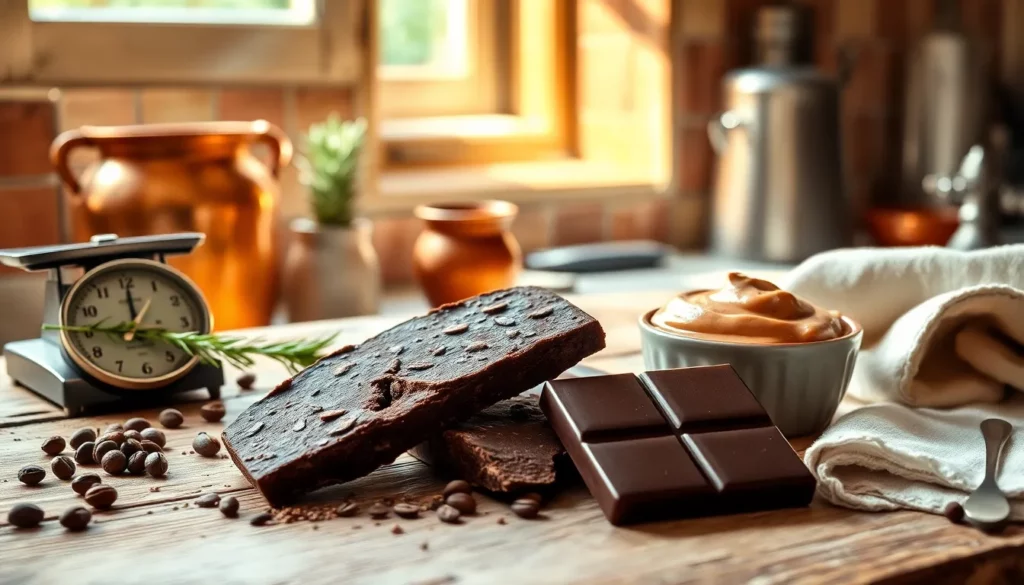
Cioccolata is the Italian word for chocolate, but in the context of Italian culinary tradition, it refers to a specific artisanal product deeply rooted in the country’s history and regional identity. Unlike mass‑produced chocolate, authentic Italian cioccolata is often made using traditional methods that preserve the character of the cacao bean and the unique terroir of its origin. The most famous protected variety is Cioccolato di Modica IGP (Indicazione Geografica Protetta), produced in the Sicilian town of Modica using a cold‑pressing technique inherited from the Spanish Aztecs. This method avoids the conching process typical of modern chocolate, resulting in a grainy, crumbly texture and an intense, slightly bitter flavour. The cacao beans are ground on a granite metate, mixed with sugar and spices (often cinnamon and vanilla), and then shaped without tempering. The IGP status, granted in 2018, ensures that the chocolate is made within the province of Ragusa using only natural ingredients and traditional equipment. Other Italian chocolate traditions include the gianduia of Turin (a blend of chocolate and hazelnut paste) and the cioccolato di Perugia (famous for the Baci Perugina). While not all Italian chocolate carries a DOP or IGP label, the country’s artisanal producers are renowned for their commitment to quality, single‑origin beans, and innovative flavour combinations.
Types & Grades
Italian cioccolata is classified by cocoa content, origin, and processing method. The following table summarises the main grades and their characteristics:
| Type | Cocoa Content | Characteristics | Typical Uses |
|---|---|---|---|
| Cioccolato Fondente (Dark) | 55–85%+ | Intense, bitter, complex; may include single‑origin beans | Desserts, mousse, baking, eating as is |
| Cioccolato al Latte (Milk) | 30–50% | Creamy, sweet, mild; often with added milk powder | Confectionery, pralines, hot chocolate |
| Cioccolato Bianco (White) | 0% (cocoa butter only) | Rich, buttery, vanilla‑forward; no cocoa solids | Decorations, sauces, desserts |
| Gianduia | 30–40% (with hazelnut paste) | Nutty, smooth, spreadable; Turin specialty | Spreads, pralines, gelato |
| Cioccolato di Modica IGP | 50–70% | Grainy, crumbly, spiced (cinnamon, vanilla); cold‑pressed | Eating, pairing with wine, traditional recipes |
| Cioccolato Extra Fondente | 70–100% | Very intense, low sugar; often used in pastry | Ganache, tarts, pairing with fruit |
Beyond these, Italian producers also offer single‑origin bars (e.g., from Madagascar, Ecuador, or Venezuela) and flavoured varieties with chili, sea salt, or citrus. The percentuale di cacao (cocoa percentage) is a key indicator of sweetness and intensity.
How It’s Used in Cooking
Italian cioccolata is a cornerstone of both classic and modern Italian cuisine. Its applications range from simple to elaborate:
- Desserts: The most famous use is in torta al cioccolato (flourless chocolate cake), panna cotta al cioccolato, and semifreddo. Dark chocolate is essential for a rich mousse al cioccolato.
- Gelato: Gelato al cioccolato is a staple; artisanal gelaterias use high‑quality fondente for depth.
- Beverages: Cioccolata calda (hot chocolate) in Italy is thick, almost pudding‑like, made with cornstarch and dark chocolate. Cioccolata alla menta is a refreshing summer drink.
- Savory dishes: In some regions, chocolate is used in mole‑inspired sauces for game or in cioccolata in umido (braised meat with chocolate). The classic cacciagione al cioccolato from Piedmont pairs dark chocolate with wild boar.
- Pastry and confectionery: Baci di dama (hazelnut cookies with chocolate), cannoli with chocolate chips, and panforte (Sienese fruitcake) all rely on cioccolata.
- Pairings: Italian chocolate is often paired with wine (e.g., Barolo, Passito) or aged balsamic vinegar.
“Il cioccolato è la felicità che puoi mangiare.” – An old Italian saying, meaning “Chocolate is happiness you can eat.”
How to Choose/Identify Authentic CIOCCOLATA
When selecting authentic Italian cioccolata, look for these cues:
- IGP/DOP labels: For Modica chocolate, the IGP seal guarantees origin and traditional method. Other protected products include Gianduia di Torino (not yet DOP but recognised).
- Ingredient list: Authentic Italian chocolate should list cocoa mass, cocoa butter, sugar, and possibly lecithin (soy or sunflower). Avoid bars with vegetable fats other than cocoa butter (except for gianduia, which may contain hazelnut oil).
- Cocoa percentage: Higher percentages (70%+) indicate less sugar and more intense flavour. For milk chocolate, look for at least 30% cocoa.
- Origin of beans: Many Italian producers source single‑origin beans and state the country of origin (e.g., Ecuador, Madagascar). This is a sign of quality.
- Texture: For Modica chocolate, the grainy, crumbly texture is a hallmark. For other chocolates, a smooth, glossy finish indicates proper tempering.
- Packaging: Look for “prodotto in Italia” (made in Italy) and the producer’s name. Reputable brands include Domori, Amedei, Venchi, Perugina, and Sabadi.
- Price: Authentic artisanal chocolate is more expensive than industrial products. Very cheap “Italian” chocolate may be counterfeit or contain inferior ingredients.
Substitutes
While nothing fully replicates the complexity of Italian cioccolata, these genuine Italian substitutes can be used in specific contexts:
- Cacao amaro in polvere (unsweetened cocoa powder): Use in baking or hot chocolate when you need intense cocoa flavour without the fat of chocolate. It is not a direct substitute for eating chocolate but works in recipes.
- Cioccolato fondente di copertura (couverture dark chocolate): A high‑quality dark chocolate with extra cocoa butter, ideal for tempering and coating. It can replace standard fondente in most applications.
- Gianduia: When a recipe calls for milk chocolate but you want a nuttier profile, gianduia (chocolate‑hazelnut paste) can be used. It is especially good in spreads and fillings.
- Carob (carruba): In traditional Italian cooking, carob powder is sometimes used as a caffeine‑free, naturally sweet alternative to cocoa. It is not a perfect substitute but appears in some regional desserts.
- Cioccolato bianco: For recipes that require a creamy, sweet base (e.g., white ganache), white chocolate can replace milk chocolate, though it lacks cocoa solids.
When substituting, adjust sugar and fat content accordingly. For example, replacing dark chocolate with cocoa powder requires adding extra butter or oil.
Conclusion
Italian cioccolata is far more than a simple confection; it is a product of centuries of tradition, regional pride, and meticulous craftsmanship. From the ancient cold‑pressed bars of Modica to the velvety gianduia of Turin, each variety tells a story of its land and people. Whether you are a professional chef or a home cook, understanding the types, grades, and authentic markers of Italian chocolate will elevate your culinary creations. Always choose quality over quantity, look for IGP or artisan labels, and respect the ingredient’s heritage. In the words of the Italian poet, “Il cioccolato è la poesia del palato.”
FAQ
What is the difference between cioccolata and regular chocolate?
Cioccolata is simply the Italian word for chocolate, but in culinary contexts it often refers to Italian artisanal chocolate made with traditional methods and high‑quality ingredients. The term implies a focus on regional heritage, such as the IGP‑protected Cioccolato di Modica or the gianduia of Turin.
Is all Italian chocolate IGP or DOP certified?
No. Only Cioccolato di Modica currently holds IGP status. Other Italian chocolates, such as Gianduia di Torino, are recognised as traditional specialties but do not have EU protected designations. Many artisanal producers follow voluntary quality standards.
How should I store Italian cioccolata to maintain its quality?
Store chocolate in a cool, dry place (16–18°C) away from direct sunlight and strong odours. Avoid refrigeration as condensation can cause sugar bloom. For long‑term storage, wrap tightly in foil and place in an airtight container in a dark cupboard.

Leave a Reply