
Short Answer
What It Is
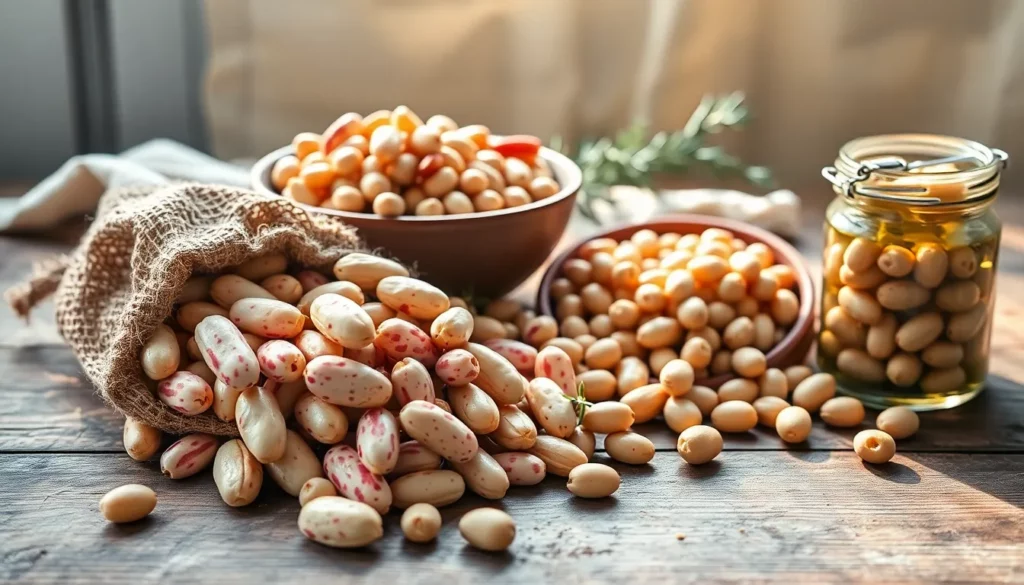
Borlotti beans (Phaseolus vulgaris) are a variety of common bean native to the Americas but naturalized in Italy over centuries. They are often called cranberry beans in English due to their distinctive pink-and-cream mottled pods and beige seeds streaked with red. In Italy, they are particularly associated with the northern regions of Veneto, Lombardy, and Tuscany, where they have been cultivated since the 16th century. Two notable Protected Designation of Origin (DOP) varieties exist: Fagiolo di Lamon (from the Belluno province) and Fagiolo di Sorana (from Tuscany). These DOP beans are grown under strict regulations that govern soil, seed, and traditional drying methods, ensuring a superior product. The beans are harvested either fresh (in the pod) in late summer or left to dry for winter use. Their production is deeply tied to small-scale family farms, many of which have been cultivating the same heirloom strains for generations.
Types & Grades
| Type | Description | Typical Use |
|---|---|---|
| Fresh Borlotti (in pod) | Plump, speckled pods harvested in late summer; beans are tender and sweet | Quick sautés, salads, or light soups |
| Dried Borlotti | Mature beans dried naturally; require soaking and longer cooking | Minestrone, pasta e fagioli, stews |
| Fagiolo di Lamon DOP | Large, kidney-shaped bean with thin skin; grown in Lamon valley | Risotto, traditional soups, or simply boiled with olive oil |
| Fagiolo di Sorana DOP | Small, oval bean with a delicate flavor; grown in the Sorana area of Tuscany | Salads, contorni, or paired with game |
| Borlotto Nano | Dwarf variety with smaller beans; often used in home gardens | Similar to fresh Borlotti, but quicker to cook |
How It’s Used in Cooking
Borlotti beans are incredibly versatile and form the backbone of many Italian regional dishes. Their creamy texture and nutty, slightly sweet flavor make them ideal for both rustic and refined preparations.
Pasta e Fagioli
This classic Venetian soup combines Borlotti beans with small pasta (like ditalini) in a savory broth flavored with garlic, rosemary, and pancetta. The beans are often partially mashed to thicken the soup.
Risotto with Borlotti
In the Veneto region, Borlotti beans are stirred into risotto along with pumpkin or radicchio. The beans add a creamy counterpoint to the al dente rice.
Minestrone
Dried Borlotti are a key ingredient in many minestrone recipes, providing body and protein. They pair well with cavolo nero, carrots, celery, and tomatoes.
Salads and Contorni
Fresh Borlotti beans are briefly boiled and tossed with red onion, parsley, and a lemon vinaigrette. Dried beans can be used similarly after cooking. They also appear as a side dish with grilled meats or fish.
Traditional Preservation
In rural Italy, Borlotti beans are often preserved in glass jars with olive oil and herbs (sott’olio) or simply dried for year-round use.
How to Choose/Identify Authentic Borlotti Beans
When purchasing Borlotti beans, authenticity and quality are paramount. Follow these guidelines:
- Look for DOP labels: For the highest quality, seek out Fagiolo di Lamon DOP or Fagiolo di Sorana DOP. The DOP seal guarantees origin, traditional methods, and traceability.
- Check appearance: Fresh pods should be firm, plump, and brightly speckled with pink or red. Avoid pods that are yellowing or shriveled. Dried beans should have a uniform size, smooth skin, and a deep beige color with red streaks. Avoid beans with cracks, holes, or excessive dust.
- Smell test: Dried beans should have a clean, earthy aroma. Any musty or sour smell indicates poor storage or age.
- Harvest year: For dried beans, check the packaging for the harvest year. Beans from the most recent harvest cook more evenly and have better flavor. Older beans may require longer soaking and cooking.
- Source: Buy from reputable Italian specialty stores or directly from producers. Online retailers that specialize in Italian DOP products are reliable.
- Storage: Store dried Borlotti in a cool, dark, dry place in an airtight container. Fresh beans should be refrigerated and used within a few days.
Substitutes
If authentic Borlotti beans are unavailable, several Italian bean varieties can serve as substitutes, though each brings a slightly different texture and flavor:
- Cannellini beans: These white kidney beans are the most common substitute. They have a creamy texture but lack the nutty sweetness of Borlotti. Use in minestrone or pasta e fagioli.
- Borlotto Nano: A smaller, dwarf variety of Borlotti that cooks faster. It is an excellent substitute for fresh Borlotti in salads.
- Fagioli dall’occhio (black-eyed peas): These have a similar speckled appearance and earthy flavor, though they are smaller and hold their shape better. Good for salads and soups.
- Lamon beans (non-DOP): If you cannot find DOP Lamon, generic Lamon-style beans from the same region are a close match.
Note that generic cranberry beans from other countries (e.g., the United States) are the same species but may differ in flavor due to terroir. They can be used in a pinch but will not replicate the exact taste of Italian Borlotti.
In summary, Borlotti beans are a treasured ingredient in Italian cuisine, celebrated for their creamy texture, nutty flavor, and versatility. Whether fresh or dried, they elevate soups, risottos, and salads. By choosing authentic DOP varieties and following proper storage and cooking techniques, you can bring a taste of northern Italy to your kitchen.
FAQ
What are Borlotti beans?
Borlotti beans, also known as cranberry beans, are a variety of common bean (Phaseolus vulgaris) with distinctive pink-and-cream mottled pods and beige seeds streaked with red. They are a staple of northern Italian cuisine, prized for their creamy texture and nutty flavor. They are available fresh in late summer or dried year-round.
How do you cook dried Borlotti beans?
Dried Borlotti beans should be sorted, rinsed, and soaked in cold water for 8–12 hours (or overnight). Drain and rinse, then place in a pot with fresh water (about 3 parts water to 1 part beans). Bring to a boil, then simmer gently for 45–60 minutes until tender. Avoid adding salt or acidic ingredients (like tomatoes) until the beans are fully cooked, as they can toughen the skins.
What is the difference between Borlotti beans and cranberry beans?
There is no botanical difference; 'cranberry bean' is the common English name for Borlotti beans. However, authentic Italian Borlotti beans (especially DOP varieties like Fagiolo di Lamon) are grown in specific regions and have a distinct terroir that affects flavor and texture. Generic cranberry beans from other countries may be the same species but can taste different.

Leave a Reply