
Short Answer
What It Is
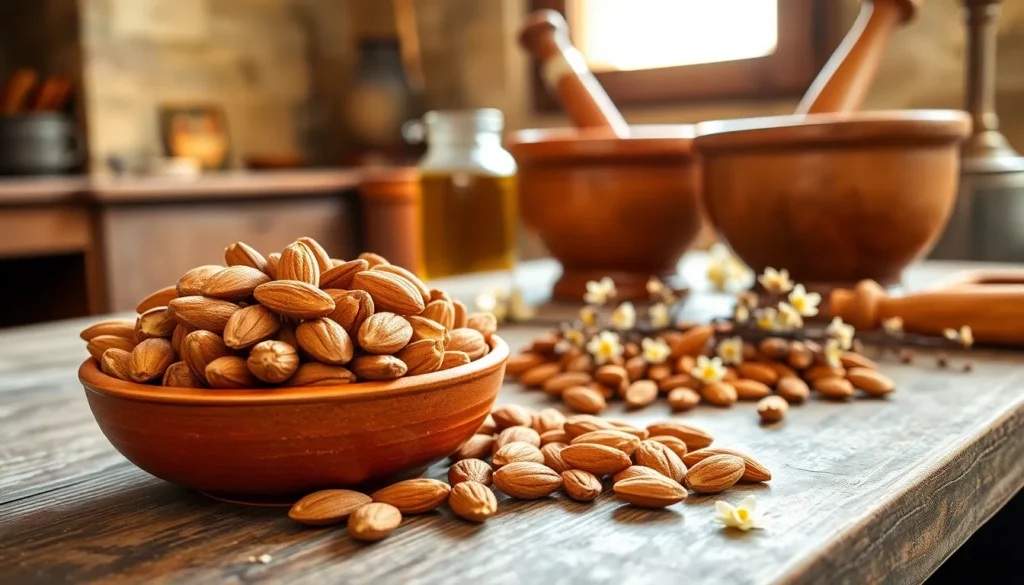
Almonds (Prunus dulcis) are the edible seeds of a stone fruit tree native to the Mediterranean region. In Italy, almonds have been cultivated since ancient times, introduced by the Greeks and later refined by the Romans. The tree thrives in the warm, dry climates of southern Italy, particularly in Sicily, Puglia, and Calabria. Italian almonds are celebrated for their delicate sweetness, high oil content, and versatility in both sweet and savory dishes.
Two Italian almonds have earned prestigious European Union certifications: Mandorla di Avola DOP (Protected Designation of Origin) from Sicily and Mandorla di Toritto PGI (Protected Geographical Indication) from Puglia. The DOP status guarantees that every stage of production—from cultivation to processing—occurs within the defined geographic area, preserving traditional methods and unique organoleptic properties. The Mandorla di Avola, for instance, is known for its elongated shape, thin shell, and intense, sweet flavor, attributed to the volcanic soils of the Hyblaean Mountains.
“The almond tree, with its early blossoms, is a symbol of hope and renewal in the Italian countryside. Its fruit, the almond, is a treasure of the Mediterranean diet.” – Traditional Sicilian saying
Almonds are technically drupes, not true nuts, but are classified as tree nuts for culinary purposes. The kernel is the edible part, encased in a hard shell. In Italy, almonds are harvested from August to September, then dried and processed. They are a cornerstone of Italian pastry, confectionery, and even savory sauces like pesto alla trapanese.
Types & Grades
Italian almonds are categorized by variety, origin, and processing method. The following table outlines the primary grades and their characteristics:
| Grade / Variety | Origin | Characteristics | Common Uses |
|---|---|---|---|
| Mandorla di Avola DOP | Avola, Sicily | Elongated, thin shell, sweet, high oil content | Marzipan, confectionery, eating raw |
| Mandorla di Toritto PGI | Toritto, Puglia | Round, thick shell, intense flavor, slightly bitter notes | Biscotti, torrone, savory dishes |
| Ferragnes | Widely cultivated | Large, uniform, sweet, soft texture | Snacking, almond milk, flour |
| Tuono | Puglia, Sicily | Hard shell, high yield, robust flavor | Baking, oil extraction |
| Bitter Almonds | Wild or selected | Contains amygdalin (toxic if raw), used after processing | Flavoring extracts, liqueurs (e.g., Amaretto) |
Grades also reflect processing: whole raw almonds (with skin), blanched (skin removed), slivered, sliced, and ground (almond flour). In Italy, the highest quality almonds are often sold with the skin on, as the skin contributes to flavor and texture in traditional recipes.
How It’s Used in Cooking
Almonds are indispensable in Italian cuisine, appearing in everything from rustic peasant dishes to refined pastries. Their versatility stems from the ability to be used whole, chopped, ground, or as milk.
Sweet Applications
- Marzipan (pasta di mandorle): A blend of ground almonds and sugar, shaped into fruits or used as a cake covering. Sicily is famous for its colorful marzipan fruits.
- Torrone: A nougat confection made with honey, egg whites, and almonds, especially popular during Christmas.
- Biscotti di Prato (cantucci): Twice-baked almond cookies from Tuscany, traditionally served with Vin Santo.
- Granita di mandorla: A semi-frozen Sicilian dessert made with almond milk, sugar, and sometimes coffee.
- Pasticcini di mandorla: Small almond-based pastries from Sicily, often flavored with lemon or cinnamon.
Savory Applications
- Pesto alla trapanese: A Sicilian pesto made with almonds, tomatoes, basil, garlic, and olive oil, served with pasta.
- Almond-crusted fish or chicken: Sliced almonds provide a crunchy coating.
- Salads: Toasted almonds add texture to green salads or grain bowls.
- Almond milk (latte di mandorla): A traditional dairy alternative, used in cooking or as a refreshing drink.
“In Sicily, almonds are not just an ingredient; they are a way of life. From the first blossoms in February to the harvest in August, the almond tree marks the rhythm of the seasons.” – Maria Grammatico, Sicilian pastry chef
How to Choose/Identify Authentic ALMONDS
When selecting authentic Italian almonds, look for the following cues:
- Certification labels: Seek the DOP or PGI logo on packaging for guaranteed origin and quality. For Mandorla di Avola DOP, the label includes a numbered seal.
- Appearance: High-quality almonds have a uniform shape, intact skin, and no cracks or holes. The color should be light tan; dark spots may indicate rancidity.
- Aroma: Fresh almonds smell sweet and nutty. A sour or musty odor signals spoilage.
- Taste: Authentic Italian almonds have a delicate, buttery sweetness with no bitterness (except for bitter almonds, which are used sparingly).
- Packaging: Reputable producers list the variety, harvest year, and region. Avoid almonds from unknown sources or those labeled simply “almonds” without origin.
- Texture: When bitten, fresh almonds are crisp and snap cleanly. Stale almonds are soft or rubbery.
For professional kitchens, purchasing whole raw almonds with skin and blanching them in-house ensures maximum freshness. Store almonds in an airtight container in a cool, dark place; refrigeration extends shelf life up to a year.
Substitutes
While Italian almonds are irreplaceable in many traditional recipes, certain Italian substitutes can be used when almonds are unavailable or for dietary reasons:
- Pine nuts (pinoli): In pesto alla trapanese, pine nuts can replace almonds, though the flavor becomes milder and less sweet. Pine nuts are also used in classic Genoese pesto.
- Hazelnuts (nocciole): Particularly from Piedmont (Nocciola Piemonte PGI), hazelnuts offer a rich, earthy flavor. They work well in biscotti and torrone, though the texture is oilier.
- Walnuts (noci): For savory dishes like almond-crusted fish, walnuts provide a similar crunch but with a more pronounced bitterness. They are less sweet, so adjust sugar in desserts.
- Apricot kernels (semi di albicocca): In some traditional recipes, apricot kernels are used as a substitute for bitter almonds, as they contain similar flavor compounds. However, they also contain amygdalin and must be processed carefully.
When substituting, consider the fat content and flavor profile. Almonds are relatively low in fat compared to hazelnuts and walnuts, so texture may vary. For marzipan, only almonds yield the characteristic pliable paste; other nuts produce a different consistency.
Conclusion
Almonds are a cornerstone of Italian gastronomy, embodying centuries of tradition, terroir, and culinary ingenuity. From the sun-drenched groves of Sicily to the pastry kitchens of Tuscany, these versatile seeds offer unparalleled flavor and texture. Whether you are crafting a delicate marzipan fruit or a robust pesto, choosing authentic Italian almonds—preferably with DOP or PGI certification—ensures the highest quality. Understanding the varieties, grades, and proper selection techniques empowers both home cooks and professionals to elevate their dishes. As the Italian saying goes, “Chi ha mandorle, ha pane” (He who has almonds has bread)—a testament to their enduring value.
FAQ
What is the difference between sweet and bitter almonds?
Sweet almonds are the common edible variety with a mild, nutty flavor. Bitter almonds contain amygdalin, which can be toxic if consumed raw; they are processed to remove toxins and used in small amounts for flavoring extracts, liqueurs, and some traditional pastries.
How should I store almonds to maintain freshness?
Store almonds in an airtight container in a cool, dark place away from heat and sunlight. For longer storage, refrigerate or freeze them. Properly stored, almonds can last up to a year without losing quality.
Are Italian almonds better than almonds from other countries?
Italian almonds, especially those with DOP or PGI certification, are prized for their superior flavor, texture, and adherence to traditional cultivation methods. The unique terroir of regions like Sicily and Puglia imparts distinct characteristics that are highly valued in Italian cuisine, though quality can vary by producer.
Can I use almond flour as a substitute for wheat flour in Italian recipes?
Almond flour can be used in gluten-free baking, but it behaves differently due to its high fat content and lack of gluten. It works well in recipes like almond cookies or tortes, but for bread or pasta, a blend with other gluten-free flours is recommended.


Leave a Reply