
Short Answer
What It Is
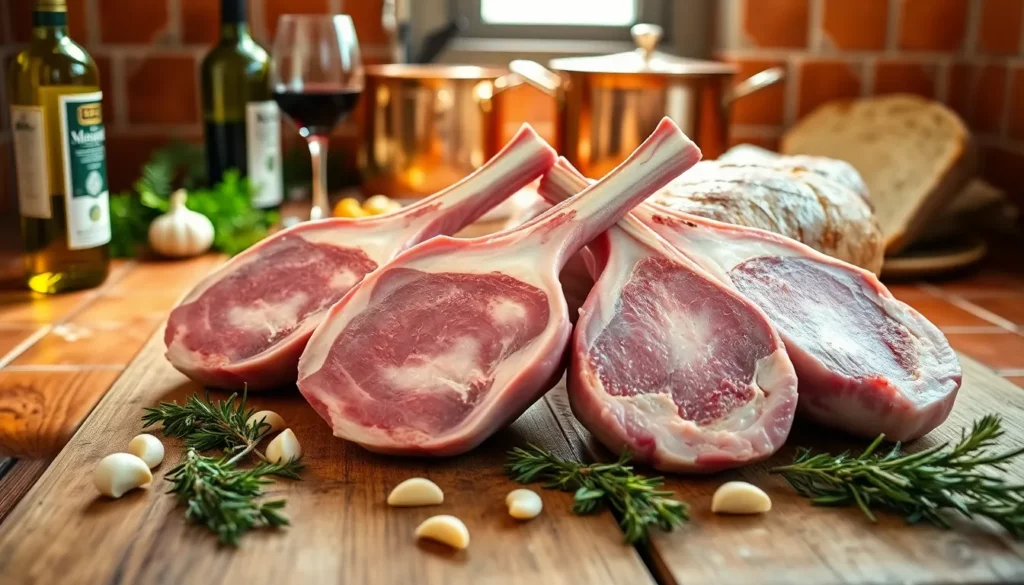
Abbacchio and Agnello are two distinct Italian terms for lamb, each carrying deep regional and culinary significance. Abbacchio specifically refers to a milk-fed lamb from the Lazio region, traditionally slaughtered between 30 and 45 days of age, weighing 6–8 kg. Its meat is pale pink, tender, and delicately flavored due to an exclusive diet of maternal milk. The Abbacchio Romano IGP (Indicazione Geografica Protetta) certification, granted by the European Union, guarantees that the lamb is born, raised, and processed in the provinces of Rome, Viterbo, Latina, Frosinone, and Rieti, following strict production protocols. Agnello, on the other hand, is the general Italian word for lamb and encompasses a broader range of ages and breeds, including several PGI-protected varieties such as Agnello di Sardegna IGP and Agnello Abruzzese. Historically, abbacchio has been a cornerstone of Roman cuisine since ancient times, often associated with Easter celebrations and pastoral traditions.
“Abbacchio is not just lamb; it is the soul of Roman spring, a symbol of renewal and simplicity.” – Traditional Roman saying
Types & Grades
Italian lamb is classified by age, weight, feed, and geographic origin. The table below outlines the primary types and their characteristics.
| Type | Age | Weight | Feed | Flavor Profile | DOP/PGI Status |
|---|---|---|---|---|---|
| Abbacchio Romano IGP | 30–45 days | 6–8 kg | Maternal milk only | Delicate, sweet, tender | PGI (IGP) |
| Agnello di Sardegna IGP | 30–60 days | 8–12 kg | Milk and natural pasture | Mild, slightly herbaceous | PGI (IGP) |
| Agnello Abruzzese | 60–90 days | 10–15 kg | Milk and forage | Robust, earthy | None (traditional) |
| Agnello da Latte (Milk-fed) | Under 60 days | 5–10 kg | Milk only | Very tender, subtle | Varies by region |
| Agnello da Taglio (Weaned) | 3–6 months | 15–25 kg | Grass and grain | More pronounced lamb flavor | None |
Grades are also determined by fat coverage and meat color. For abbacchio, the fat should be white and firm, while the meat is pale pink. Older agnello may have a deeper red hue and a stronger aroma.
How It’s Used in Cooking
Italian cuisine celebrates both abbacchio and agnello in a variety of traditional dishes, each highlighting the meat’s unique qualities.
Abbacchio alla Romana
This iconic Roman dish features pieces of abbacchio braised with garlic, rosemary, anchovies, and white wine, finished with a splash of vinegar. The anchovies dissolve into a savory umami base that complements the delicate lamb.
Abbacchio a Scottadito
Literally “finger-burning lamb,” these are thin rib chops grilled over hot coals, seasoned simply with salt, pepper, and olive oil. The name comes from the tradition of eating them hot off the grill with your fingers.
Agnello al Forno
Roasted lamb, often with potatoes, garlic, and rosemary, is a Sunday favorite across Italy. For agnello di Sardegna, the meat is sometimes marinated in myrtle liqueur for a distinctive herbal note.
Agnello Cacio e Uova
An Easter specialty from Abruzzo, this dish combines lamb with a sauce of pecorino cheese and beaten eggs, creating a rich, creamy coating.
In professional kitchens, abbacchio is prized for its quick cooking time and tenderness, while older agnello is often slow-roasted or braised to develop depth of flavor.
How to Choose/Identify Authentic ABBACCHIO & AGNELLO
For chefs and home cooks seeking authentic Italian lamb, the following cues are essential:
- Look for the PGI/IGP label: Abbacchio Romano IGP and Agnello di Sardegna IGP carry official EU logos. Verify the producer’s code on the packaging.
- Check color and fat: Authentic abbacchio is pale pink with white, creamy fat. Avoid meat that is dark red or has yellow fat, which indicates older animals or poor feed.
- Smell: Fresh lamb should have a mild, clean scent. Strong gamey odors suggest age or improper handling.
- Ask for provenance: Reputable suppliers can trace the lamb to a specific farm or consortium. For abbacchio, request documentation from the Lazio region.
- Weight and cut: Abbacchio chops are small (about 50–70 g each) with a thin layer of fat. Larger, thicker cuts are likely from older agnello.
Commercial buyers should establish relationships with certified Italian exporters or join consortia like the Consorzio di Tutela dell’Abbacchio Romano IGP to ensure authenticity.
Substitutes
When authentic abbacchio or agnello is unavailable, Italian culinary tradition offers several genuine substitutes:
- Capretto (Kid goat): Similar in tenderness and mild flavor, capretto is often used in Roman recipes as a direct replacement for abbacchio. It is especially common in Easter dishes.
- Agnello di Laticauda: A heritage breed from Campania, this lamb has a slightly nutty flavor and works well in braised preparations.
- Milk-fed veal (vitello da latte): For dishes where the delicate texture is paramount, such as abbacchio a scottadito, milk-fed veal can be substituted, though the flavor profile differs.
- Other PGI Italian lamb: Agnello di Sardegna IGP or Agnello di Abruzzo can replace generic agnello in most recipes, offering similar regional authenticity.
Each substitute should be chosen based on the cooking method: quick grilling favors tender milk-fed meats, while slow cooking can accommodate slightly older lamb.
Conclusion
Abbacchio and agnello represent the pinnacle of Italian lamb production, with centuries of tradition and strict certification ensuring quality. Whether you are preparing a classic Roman abbacchio alla romana or a rustic Sardinian roast, understanding the differences in age, feed, and origin is key to achieving authentic results. By choosing certified products and respecting traditional techniques, you honor the rich culinary heritage of Italy.
FAQ
What is the difference between Abbacchio and Agnello?
Abbacchio is a specific type of milk-fed lamb from Lazio, slaughtered at 30–45 days, with a delicate flavor and PGI certification. Agnello is the general Italian term for lamb, which can include older animals and various regional breeds, some also PGI-protected.
Is Abbacchio Romano IGP the same as regular lamb?
No. Abbacchio Romano IGP is a protected designation that guarantees the lamb is born, raised, and processed in the Lazio region, fed only maternal milk, and slaughtered within a strict age window. Regular lamb may come from any region and can be older or grain-fed.
How should I cook Abbacchio to preserve its tenderness?
Abbacchio is best cooked quickly over high heat, such as grilling (a scottadito) or pan-searing. Braising is also common (alla romana) but should be done gently to avoid drying out. Avoid overcooking; the meat should remain pink and juicy.
Can I substitute regular lamb for Abbacchio in Roman recipes?
While you can substitute, the result will differ. Regular lamb is often older and has a stronger flavor and tougher texture. For a closer match, use milk-fed lamb or capretto (kid goat). Adjust cooking times accordingly.


Leave a Reply