
Short Answer
Getting There
Ravello does not have its own airport or train station, so reaching this hilltop town requires a combination of transport modes. The nearest major international gateway is Naples International Airport (NAP), located approximately 60 kilometers away. From Naples, travelers typically transfer to the Amalfi Coast via train or private car. A common route involves taking a Circumvesuviana train or Campania Express from Naples to Sorrento, or a Trenitalia train to Salerno. From either Sorrento or Salerno, visitors must switch to road or sea transport.
The most direct public transport option is the SITA Sud bus service, which connects Salerno and Sorrento to Amalfi, with a connecting bus line specifically for the climb up to Ravelo. During the warmer months, ferry services operate from Naples, Sorrento, and Salerno to Amalfi or Positano; from there, travelers take a local bus or taxi up the winding mountain road to Ravello. Private transfers and taxis are available from Naples Airport but are significantly more expensive than public options. Due to traffic congestion on the Amalfi Drive, especially in summer, rail and ferry combinations are often more reliable than road-only routes. Always verify current schedules with official transport operators before departure, as seasonal reductions apply in winter.
Getting Around
Ravello is a compact, pedestrian-friendly town where most attractions are within walking distance. The historic center is largely closed to non-resident traffic, making walking the primary mode of exploration. The terrain is hilly, with steep streets and staircases connecting different levels of the town, so comfortable footwear is essential. For visitors with mobility issues, be aware that cobblestones and steps are common, and not all historic sites are fully accessible.
Public buses connect Ravello to nearby towns like Amalfi, Minori, and Maiori. These buses are frequent during peak season but can become crowded. Taxis are available but should be booked in advance during high season. Renting a car is generally discouraged for staying within Ravello itself due to limited parking, narrow roads, and restricted traffic zones (ZTL). However, a car may be useful for exploring inland Campania or visiting multiple coastal towns independently, provided you secure accommodation with parking. Parking in public lots near the Piazza Duomo is available but fills quickly during peak hours.
Best Time to Visit
The ideal time to visit Ravello is during the shoulder seasons of spring (April to May) and autumn (September to October). During these months, temperatures are mild, typically ranging from 18°C to 25°C, and the gardens are in bloom or retaining their summer lushness. Crowds are manageable compared to the peak summer period, and accommodation prices are moderate.
Summer (June to August) brings high temperatures, significant crowds, and peak pricing. However, this is the only time to experience the full schedule of the Ravello Festival, a renowned music and arts event held primarily in July and August. Winter (November to March) is quiet, with many hotels and restaurants closing for the season, though those that remain open offer a peaceful atmosphere and lower rates. Rain is more common in late autumn and winter. Visitors interested in specific cultural events should check the official festival calendar, as dates vary annually.
Top Things to Do
Villa Rufolo
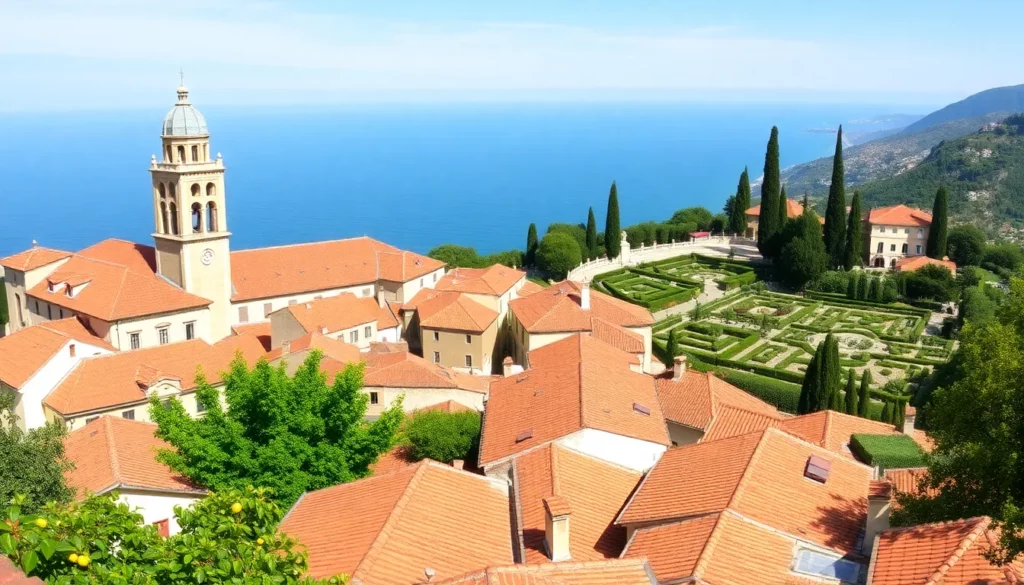
This historic 13th-century villa is the cultural centerpiece of Ravello. Famous for its Moorish-style cloisters and panoramic gardens, it hosts concerts during the Ravello Festival. The views over the coastline are exceptional. It suits culture enthusiasts and photographers. Plan to visit early in the day to avoid tour groups.
Villa Cimbrone
Known for the Terrace of Infinity, a belvedere lined with classical busts offering sweeping views of the sea. The gardens are expansive and lush, featuring hidden grottos and statues. It is ideal for leisurely walks and romantic moments. Allow at least two hours to explore the grounds fully.
Ravello Cathedral (Duomo di Ravello)
Dedicated to Saint Pantaleone, this 11th-century cathedral features a notable bronze door and a prominent pulpit. The interior houses religious art and relics. It is a key stop for history buffs and those interested in religious architecture. Check opening hours as they may change during religious services.
Auditorium Oscar Niemeyer
Designed by the famous Brazilian architect, this modern concert hall is an architectural landmark. Even without attending a concert, the exterior and surrounding plaza are worth viewing. It represents the town’s commitment to the arts. Guided tours may be available when no performances are scheduled.
Piazza Vescovado
The main square is the social hub of Ravello, surrounded by cafes and shops. It is the perfect place to people-watch, enjoy an espresso, or orient yourself. It suits all travelers looking for a break. Evening aperitivo here is a local tradition.
Shopping for Ceramics and Linen
Ravello is known for high-quality handmade ceramics and embroidered linen. Numerous boutiques line the narrow streets off the main square. It is suitable for travelers seeking authentic souvenirs. Prices vary widely, so compare quality before purchasing.
Hiking the Surrounding Paths
Several walking paths connect Ravello to nearby villages like Minori and Maiori. These trails offer natural scenery away from the crowds. They suit active travelers with good fitness levels. Wear sturdy shoes and carry water, as shade can be limited.
Where to Eat
Dining in Ravello focuses on Campanian cuisine, emphasizing fresh seafood, local vegetables, and pasta. Signature dishes include scialatielli (a short, fresh pasta), seafood spaghetti, and dishes featuring the region’s famous lemons, such as lemon risotto or limoncello desserts. Meals are often leisurely affairs, with lunch typically served from 12:30 PM to 2:30 PM and dinner from 7:30 PM onwards.
Travelers will find a range of options from casual pizzerias and cafes on the main square to upscale dining rooms with terrace views. It is customary to expect a coperto (cover charge) on the bill. Tipping is not mandatory as service is usually included, but leaving small change is appreciated for good service. Reservations are highly recommended during peak season and for dinner. For a more local experience, look for establishments slightly away from the main piazza.
Where to Stay
Accommodation in Ravello ranges from historic luxury hotels to boutique bed-and-breakfasts. First-time visitors often prefer staying near the historic center (Piazza Duomo) for easy access to attractions and dining, though this area can be livelier. Travelers seeking tranquility and panoramic views might choose hotels on the hillsides surrounding the town, which often require a short walk or shuttle ride to the center.
Budget travelers should note that Ravello is generally upscale; however, smaller guesthouses in the upper parts of town or nearby villages like Minori may offer better value. Families should look for properties with elevators or ground-floor rooms due to the hilly terrain. Couples often favor properties with private terraces. Booking well in advance is crucial for summer and festival periods. Visitors with cars must confirm parking availability, as street parking is scarce.
Suggested Itinerary
2-Day Highlights
Day 1: Arrive and settle in. Visit Villa Rufolo in the afternoon when the light is good for photography. Enjoy dinner at a restaurant near Piazza Vescovado.
Day 2: Morning visit to Villa Cimbrone and the Terrace of Infinity. Explore the Duomo and shop for ceramics in the late morning. Depart or transfer to the next destination in the afternoon.
4-Day Relaxed Stay
Day 1: Arrival and leisurely walk around Piazza Vescovado. Sunset aperitivo.
Day 2: Dedicated morning for Villa Rufolo and afternoon for Villa Cimbrone. Evening concert if available.
Day 3: Day trip to Amalfi town via bus. Explore the cathedral and beach. Return to Ravello for dinner.
Day 4: Morning hike towards Minori or visit the Auditorium. Final shopping and departure.
Local Etiquette & Practical Tips
Visitors should dress modestly when entering churches, covering shoulders and knees. Italians greet with a polite “Buongiorno” (Good day) or “Buonasera” (Good evening) when entering shops and restaurants. English is widely spoken in tourist areas, but learning a few Italian phrases is appreciated.
Credit cards are accepted in most establishments, but carrying some cash is wise for small purchases or tips. Public restrooms are limited; use facilities in cafes or museums when possible. Safety is generally good, but standard precautions against pickpocketing apply in crowded areas. Traffic on the coastal roads can be hazardous; exercise caution when crossing streets. Be aware that many shops close for a few hours in the early afternoon (riposo), though this is less common in peak tourist season.
Day Trips from Ravello
Amalfi
Located just down the hill, Amalfi offers a bustling harbor, cathedral, and beach. Accessible by bus (20 minutes) or taxi. Ideal for a half-day or full-day trip.
Positano
Famous for its vertical architecture and beaches. Reachable by bus via Amalfi or by ferry in season. Best as a full-day trip due to travel time.
Pompeii
Ancient Roman ruins preserved by volcanic ash. Accessible via train from Salerno or Naples. Requires a full day to explore properly.
Capri
The iconic island known for its Blue Grotto and gardens. Reachable by ferry from Amalfi or Positano. Best as a full-day excursion.
Paestum
Home to some of the best-preserved Greek temples in the world. Accessible by train from Salerno. Suitable for history enthusiasts as a full-day trip.
FAQ
Is Ravello worth visiting?
Yes, Ravello is worth visiting for travelers seeking culture, gardens, and tranquility away from the busier coastal beaches. It offers superior views and a refined atmosphere compared to neighboring towns.
How many days do you need in Ravello?
Two days are sufficient for the main sights, but 3 to 4 days allow for a relaxed pace and day trips to Amalfi, Positano, or Pompeii without rushing.
Is Ravello safe and walkable?
Ravello is generally very safe with low crime rates. It is highly walkable within the center, though the hilly terrain and steps may challenge those with limited mobility.
Leave a Reply