
Short Answer
What Is Acciuga? Italian Ingredient Explained
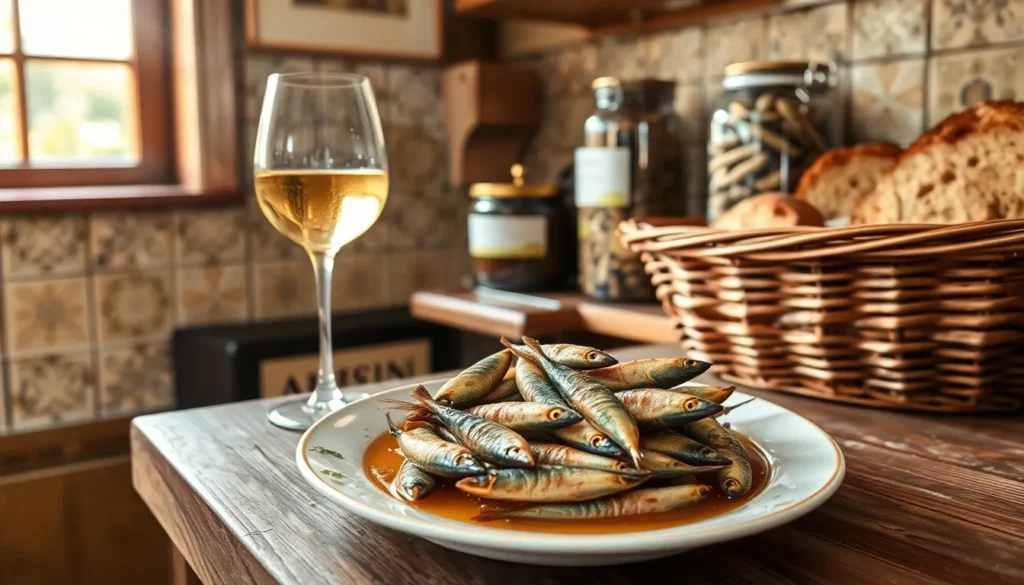
Acciuga is the Italian term for the European anchovy (Engraulis encrasicolus), a small, oily fish that has been a fundamental ingredient in Mediterranean cooking since antiquity. While often associated with salt-cured fillets or paste, acciuga can refer to both fresh and preserved forms of the fish. Its intense umami flavor makes it a secret weapon in countless Italian dishes, from the Ligurian bagna càuda to Sicilian pasta con le sarde. Unlike the overly salty, fishy anchovies found in some international markets, high-quality Italian acciughe are prized for their delicate, savory depth.
Origin & History
The use of anchovies in Italy dates back to ancient Roman times, when the fish was fermented to produce garum, a pungent sauce that was a staple of Roman cuisine. The Romans established extensive fishing and salting operations along the coasts of Campania and Sicily, techniques that evolved into the modern methods of salt-curing and oil-packing. During the Middle Ages, the Republic of Genoa became a major center for anchovy trade, and the fish became integral to the cucina povera (poor kitchen) of Liguria, where it added flavor to simple vegetable dishes. By the Renaissance, acciuga was celebrated in cookbooks such as Bartolomeo Scappi’s Opera (1570), which included recipes for anchovy sauces. Today, the tradition continues in coastal towns like Cetara (Campania), where colatura di alici—a clear, amber anchovy sauce—is produced using methods nearly identical to those of ancient garum.
“The anchovy is the salt of the sea, the soul of the kitchen.” – Traditional Ligurian saying
What’s In It
At its core, acciuga is simply the fish itself, but the term most often refers to preserved preparations. The key ingredients and steps are:
- Fresh anchovies (alici): Small, silver-skinned fish with a mild, sweet flavor when very fresh. They are often fried, marinated, or used in broths.
- Salt-cured anchovies (acciughe sotto sale): Whole anchovies layered with sea salt and aged for several months. The salt draws out moisture and concentrates flavor. Before use, the fillets are rinsed and deboned.
- Oil-packed anchovies (acciughe sott’olio): Salt-cured fillets that are then packed in olive oil. This is the most common form exported worldwide.
- Anchovy paste (pasta d’acciughe): A smooth blend of ground anchovies, oil, and sometimes vinegar. Used as a shortcut in sauces and dressings.
It is important to distinguish acciuga from alici: while both refer to the same fish, alici typically denotes fresh or lightly preserved specimens, whereas acciuga implies a more intensely flavored, cured product. Similarly, sarde (sardines) are a different fish, though sometimes confused.
Regional Variations
Italy’s long coastline and diverse culinary traditions have given rise to distinct regional uses of acciuga. The table below highlights key differences:
| Region | Typical Preparation | Signature Dish | Characteristic |
|---|---|---|---|
| Liguria | Salt-cured whole anchovies, often preserved in glass jars with salt | Bagna càuda (hot dip of anchovies, garlic, and olive oil) | Mild, buttery flavor; used as a condiment for vegetables and bread |
| Sicily | Fresh or salt-cured anchovies, often combined with wild fennel and saffron | Pasta con le sarde (pasta with sardines, but often uses anchovies) | Bold, aromatic; paired with sweet and sour elements like raisins and pine nuts |
| Campania | Colatura di alici – a clear, fermented anchovy sauce aged in wooden barrels | Spaghetti alla colatura di alici | Intense umami, used drop by drop as a seasoning |
| Puglia | Fresh anchovies fried or marinated in lemon and oregano | Frittura di paranza (mixed fried fish, often including anchovies) | Light, crispy; emphasizes the freshness of the fish |
How It’s Traditionally Eaten
In Italian cuisine, acciuga is rarely eaten as a main course. Instead, it functions as a flavoring agent or a contorno (side dish). Salt-cured anchovies are typically used to season sauces, dressings, and vegetable dishes. In Liguria, bagna càuda is served as a warm dip for raw or boiled vegetables, often during winter gatherings. In Sicily, anchovies are incorporated into pasta dishes, such as pasta con le sarde, which is a primo (first course). Fresh anchovies are often fried and served as an antipasto or secondo (main course) with a squeeze of lemon. Anchovy paste is a common pantry staple for quick sauces, but purists prefer whole fillets. The fish is also a key ingredient in pizza napoletana (pizza with anchovies, capers, and olives) and in vitello tonnato (veal with tuna sauce, which sometimes includes anchovy for depth).
Common Mistakes / What It’s Not
Many misconceptions surround acciuga, especially outside Italy. Here are the most frequent errors:
- Mistaking low-quality for authentic: Mass-produced anchovies can be overly salty and mushy. Authentic Italian acciughe are firm, with a clean, briny taste. Always check the label for origin (e.g., “Acciughe di Cetara” or “Acciughe del Mar Ligure”).
- Overusing anchovy paste: While convenient, paste often contains additives and lacks the complexity of whole fillets. Use it sparingly or opt for oil-packed fillets.
- Confusing anchovies with sardines: Sardines (sarde) are larger, oilier, and have a stronger flavor. They are not interchangeable in recipes like pasta con le sarde, which traditionally uses fresh sardines but sometimes substitutes anchovies.
- Believing anchovies are only for pizza: In Italy, anchovies appear in pasta, salads, vegetable dishes, and even desserts (e.g., dolce di acciughe in some ancient recipes).
- Rinsing salt-cured anchovies too much: A quick rinse under cold water is enough; excessive rinsing removes the delicate flavor.
Where to Try It / What to Order
For the most authentic experience, seek out regions where acciuga is a specialty:
- Liguria: Visit the coastal towns of Camogli or Recco. Order bagna càuda at a traditional osteria and ask for acciughe sotto sale from local producers.
- Campania: In Cetara, the colatura di alici is a must-try. Drizzle it over spaghetti or use it to season insalata di mare.
- Sicily: In Palermo, try pasta con le sarde at a trattoria near the Vucciria market. Also look for involtini di alici (rolled anchovies with breadcrumbs and herbs).
- Puglia: In Bari, order frittura di paranza at a friggitoria and enjoy fresh anchovies fried to perfection.
When ordering, specify whether you want alici (fresh) or acciughe (cured). For preserved anchovies, look for the IGP (Indicazione Geografica Protetta) label, such as Acciughe di Cetara IGP.
Related Dishes
FAQ
What is the difference between acciuga and alici?
In Italian, 'alici' typically refers to fresh or lightly preserved anchovies, while 'acciuga' (plural 'acciughe') is used for salt-cured or oil-packed anchovies. Both come from the same fish (Engraulis encrasicolus), but the preservation method and intensity of flavor differ.
How are anchovies preserved in Italy?
The two main methods are salt-curing (sotto sale) and oil-packing (sott'olio). For salt-curing, whole anchovies are layered with sea salt and aged for several months. For oil-packing, salt-cured fillets are rinsed, deboned, and submerged in olive oil. A third traditional method is colatura di alici, a fermented sauce aged in wooden barrels.
Can I substitute anchovy paste for whole anchovies?
Yes, but with caution. Anchovy paste is more concentrated and often contains additives. Use about 1 teaspoon of paste for every 2–3 fillets. For best results, dissolve the paste in warm oil or water before adding to the dish. However, for recipes where anchovy texture is desired (e.g., bagna càuda), whole fillets are preferred.
Are Italian anchovies different from other anchovies?
Italian anchovies, especially those from the Mediterranean Sea, are prized for their delicate flavor and firm texture. The traditional curing methods used in Italy (long salt-aging, hand-filleting) produce a superior product compared to mass-produced anchovies from other regions, which can be overly salty and mushy.
What is colatura di alici?
Colatura di alici is a traditional Italian anchovy sauce from the town of Cetara in Campania. It is made by layering fresh anchovies with sea salt in wooden barrels, then pressing them to extract a clear, amber liquid that is aged for up to two years. It is used as a seasoning, similar to soy sauce, to add umami to pasta, vegetables, and seafood.
Leave a Reply