Short Answer
What Is Maccarello? Italian Pasta Explained
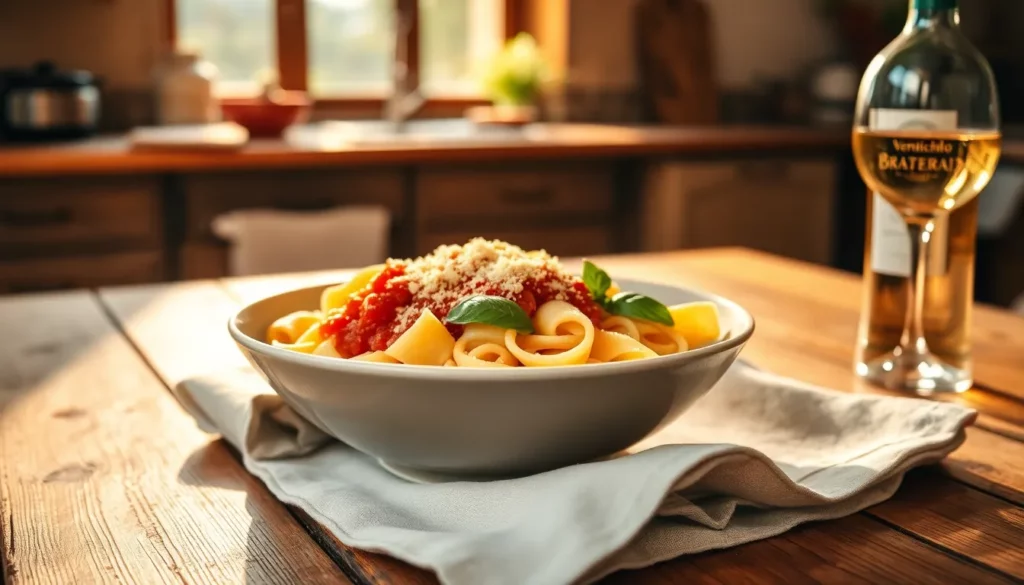
Maccarello is a traditional, hand-rolled pasta originating from the Marche region of central Italy. It is made from a simple dough of durum wheat semolina and water, shaped into thick, irregular cylinders about 5–7 cm long. The pasta is typically served with a robust tomato sauce, often enriched with pecorino cheese, garlic, and fresh basil. Unlike extruded or machine-cut pastas, Maccarello is formed entirely by hand, giving it a rustic, chewy texture that holds sauce exceptionally well. It is a classic example of pasta fatta in casa (homemade pasta) and is deeply rooted in the peasant cooking traditions of the Apennine foothills.
Origin & History
The exact origins of Maccarello are difficult to pinpoint, but culinary historians agree that it emerged in the rural areas of the Marche region, particularly in the provinces of Macerata and Ascoli Piceno, during the late 19th century. The name likely derives from the dialectal term maccarello, meaning “to crush” or “to press,” referring to the hand-rolling technique used to shape the pasta. Unlike the more famous maccheroni alla chitarra from neighboring Abruzzo, Maccarello was never cut with a wire frame; instead, each piece was rolled between the palms or on a wooden board. Historical records from the early 1900s mention Maccarello as a staple of cucina povera (poor kitchen), made with minimal ingredients and served with whatever vegetables or herbs were available. A local legend tells of shepherds who would carry dried Maccarello in their sacks, cooking it over campfires with wild tomatoes and pecorino. Today, it remains a cherished symbol of Marche’s culinary heritage, though it is rarely found outside the region.
What’s In It
The core ingredients of Maccarello are remarkably simple: durum wheat semolina (or sometimes a mix of semolina and all-purpose flour), water, and a pinch of salt. No eggs are used, which distinguishes it from egg-based pastas like pappardelle or tagliatelle. The dough is kneaded until smooth, rested, then rolled into long ropes that are cut into small pieces. Each piece is rolled between the palms to create a slightly tapered, cylindrical shape with a rough surface. The sauce is traditionally a sugo di pomodoro (tomato sauce) made with San Marzano tomatoes, garlic, olive oil, and fresh basil. Grated Pecorino Romano or Pecorino di Fossa is often added at the table. Some variations include a touch of chili pepper or anchovies for depth. The key difference from similar pastas like maccheroni al torchio is the hand-rolling method, which gives Maccarello its characteristic irregular shape and porous texture.
Regional Variations
While Maccarello is primarily associated with the Marche, neighboring regions have their own interpretations. Below is a comparison of three major variations:
| Region | Key Ingredients | Sauce | Shape & Texture |
|---|---|---|---|
| Marche (traditional) | Semolina, water, salt | Tomato sauce with pecorino, garlic, basil | Thick, hand-rolled cylinders; chewy |
| Abruzzo (similar pasta) | Semolina, water, sometimes egg | Tomato sauce with chili, guanciale | Cut with a chitarra; square cross-section |
| Lazio (Roman adaptation) | Semolina, water, olive oil | Tomato sauce with ricotta salata, mint | Smaller, rolled with a fork; firmer |
In the Marche, Maccarello is often served with sugo finto (a “fake” meat sauce made with vegetables and herbs) during Lent. In coastal areas, it may be paired with seafood like mussels or anchovies. The Abruzzese version, though not called Maccarello, uses a similar dough but is cut with a chitarra, resulting in a different shape. The Roman version, sometimes called maccheroni alla romana, is smaller and often served with a lighter sauce.
How It’s Traditionally Eaten
Maccarello is served as a primo piatto (first course) in a traditional Italian meal. It is almost always paired with a simple tomato-based sauce, never with cream or heavy meat ragu. The pasta is cooked al dente and tossed with the sauce just before serving. A generous grating of pecorino cheese is added at the table. It is typically an everyday dish, not reserved for holidays, though it may appear at Sunday family lunches. In the Marche, it is often accompanied by a glass of Verdicchio dei Castelli di Jesi, a local white wine that cuts through the richness of the cheese. As a contorno (side dish), a simple salad of wild greens or roasted vegetables is common. Maccarello is rarely served as a secondo (main course) unless accompanied by a small portion of meat or fish.
Common Mistakes / What It’s Not
One frequent misconception is that Maccarello is the same as maccheroni or macaroni. In fact, Maccarello is a specific hand-rolled shape, not a generic category. It is not a baked pasta (like pasta al forno) and should never be served with a heavy béchamel or cheese sauce. Another mistake is using eggs in the dough; authentic Maccarello is eggless. American-Italian adaptations sometimes add meatballs or sausage, which is not traditional. The correct approach is to let the simple tomato sauce and pecorino shine. Also, Maccarello should not be confused with maccheroni alla chitarra, which is cut with a wire frame and has a square shape. Finally, avoid overcooking: Maccarello should be chewy, not mushy.
Where to Try It / What to Order
To experience authentic Maccarello, travel to the Marche region, especially the towns of Macerata, Urbino, and San Benedetto del Tronto. Look for trattorie and agriturismi that specialize in cucina tipica. In Macerata, Osteria dei Fiori is known for its hand-rolled Maccarello with sugo finto. In the countryside near Ascoli Piceno, Agriturismo La Vecchia Quercia serves it with a wild boar sauce during autumn. When ordering, ask for Maccarello al sugo di pomodoro con pecorino. If you cannot travel, some Italian specialty shops in the US import dried Maccarello from Marche; look for brands like Pastificio Mancini or Pastificio Felicetti. For a DIY experience, purchase semolina flour and follow a traditional recipe—the hand-rolling is part of the fun.
Related Dishes
FAQ
What is Maccarello pasta?
Maccarello is a traditional hand-rolled pasta from the Marche region of Italy, made from durum wheat semolina and water. It is shaped into thick, irregular cylinders and typically served with a simple tomato sauce and pecorino cheese.
How is Maccarello different from other pasta?
Unlike extruded or machine-cut pastas, Maccarello is entirely hand-rolled, giving it a rustic, chewy texture. It is eggless, unlike many fresh pastas, and its shape is irregular, which helps it hold sauce better. It is distinct from maccheroni alla chitarra, which is cut with a wire frame.
Where can I try authentic Maccarello?
Authentic Maccarello is best enjoyed in the Marche region, especially in towns like Macerata, Urbino, and Ascoli Piceno. Look for trattorie and agriturismi that serve cucina tipica. Some Italian specialty shops also sell dried Maccarello from Marche producers.
Can I make Maccarello at home?
Yes, Maccarello is relatively easy to make at home. You need durum wheat semolina, water, and salt. Knead the dough, rest it, then roll small pieces between your palms. Cook in boiling salted water and serve with a simple tomato sauce and pecorino.
Is Maccarello gluten-free?
No, traditional Maccarello is made from durum wheat semolina, which contains gluten. Gluten-free versions using rice or corn flour are not authentic.
Leave a Reply