Short Answer
What Is Abbacchio? Italian Meat Dish Explained
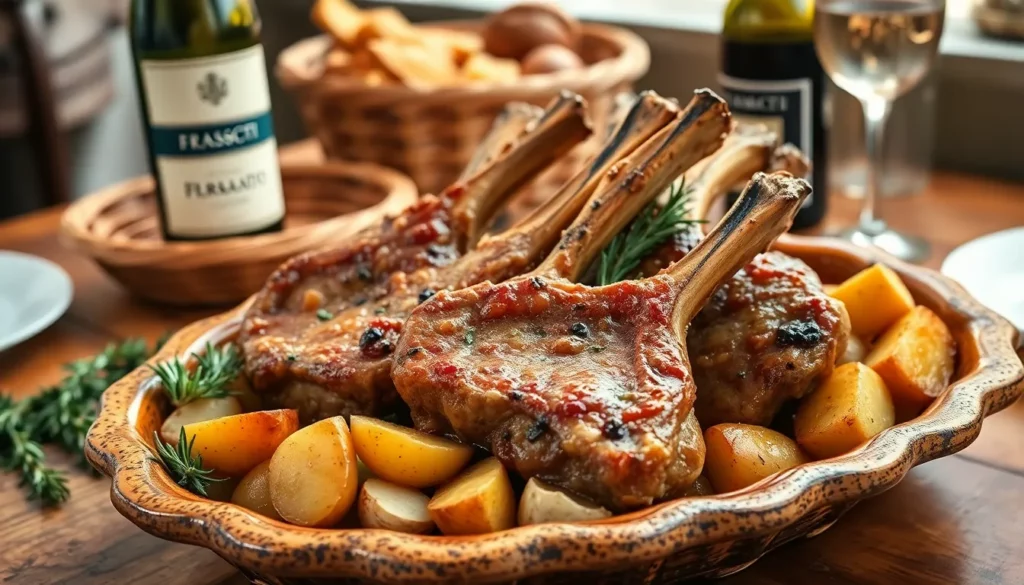
Abbacchio is a traditional Italian dish from the Lazio region, particularly Rome, consisting of milk-fed lamb (agnello da latte) that is roasted or grilled. The lamb is typically slaughtered at 30–40 days old, having been fed only on its mother’s milk, which gives the meat a delicate, pale pink color and a tender, mild flavor. The dish is most famously prepared alla scottadito (grilled chops eaten with the fingers) or al forno (oven-roasted with garlic, rosemary, white wine, and anchovies). Abbacchio is a quintessential secondo piatto (main course) in Roman cuisine, especially during Easter celebrations.
Origin & History
Abbacchio has deep roots in the pastoral traditions of the Roman Campagna. The term itself derives from the Latin abbaculus, meaning a young lamb. While ancient Romans certainly consumed lamb, the specific practice of slaughtering milk-fed lambs for a distinct culinary purpose became codified in the Middle Ages. By the 19th century, abbacchio was firmly established in Roman cookbooks, such as those by Ada Boni, as a symbol of spring and renewal. The dish is intimately tied to the Easter season, when lambs born in late winter are at their peak. Unlike the myth that abbacchio originated from a single Roman chef, its evolution is a collective rural tradition that moved into city trattorias. The use of anchovies in the roasting recipe—a Roman hallmark—adds umami without a fishy taste, a technique documented in early 20th-century Roman culinary texts.
What’s In It
The core ingredients for classic Roman abbacchio al forno are:
- Milk-fed lamb (abbacchio): typically a whole leg or rack, or individual chops.
- Garlic: whole cloves, often crushed.
- Fresh rosemary: sprigs for aromatic infusion.
- White wine: dry, such as Frascati or Pinot Grigio.
- Anchovy fillets: salted or oil-packed, dissolved in the cooking juices.
- Olive oil: extra virgin for browning.
- Salt and black pepper.
Preparation nuances: The lamb is first seared in olive oil with garlic and rosemary, then deglazed with white wine. Anchovies are added and melted into the sauce, creating a savory glaze. The dish is roasted slowly until tender, basting frequently. It differs from agnello (generic lamb) because abbacchio specifically denotes the age and feeding regimen; older lamb (agnello) has a stronger flavor and firmer texture. It is also distinct from capretto (kid goat), which is sometimes confused in Roman markets.
Regional Variations
While abbacchio is most associated with Lazio, other regions have their own interpretations:
| Region | Variation | Key Differences |
|---|---|---|
| Lazio (Rome) | Abbacchio al forno con patate | Roasted with potatoes, garlic, rosemary, and anchovies; slow-cooked in white wine. |
| Abruzzo | Abbacchio alla cacciatora | Hunter-style with tomatoes, olives, and chili flakes; braised rather than roasted. |
| Campania | Agnello al forno con pecorino | Uses older lamb, often stuffed with pecorino and herbs; not strictly milk-fed. |
| Sicily | Agnello alla messinese | Marinated with lemon, oregano, and breadcrumbs; grilled over coals. |
In Rome, the dish is almost always made with milk-fed lamb, while in southern regions, older lamb may be used and the cooking method varies.
How It’s Traditionally Eaten
Abbacchio is served as a secondo (main course) after a primo like pasta or soup. It is often accompanied by contorni such as roasted potatoes, sautéed greens (e.g., cicoria or broccoli rabe), or a simple salad. The dish is a highlight of Easter Sunday lunch in Rome, but it also appears at other festive occasions like Christmas or family gatherings. When served alla scottadito (literally “burn the finger”), the grilled chops are eaten with the hands, a rustic and convivial practice. Wine pairings typically include a medium-bodied red like Chianti or a local Lazio red such as Cesanese del Piglio.
Common Mistakes / What It’s Not
A frequent American-Italian misconception is that abbacchio is simply “lamb” and can be made with any cut of older lamb. In reality, the defining characteristic is the milk-fed status; using regular lamb yields a tougher, gamier result that is not authentic. Another mistake is omitting anchovies, which are essential for the Roman flavor profile—they do not make the dish fishy but add depth. Abbacchio is also not a stew (like spezzatino) nor a braised dish (like stracotto); it is primarily roasted or grilled. Finally, it is not a dish to be rushed: proper slow roasting at low temperature (around 160°C/320°F) is crucial for tenderness.
Where to Try It / What to Order
For an authentic experience, visit Rome during the spring (March–May) and seek out traditional trattorias in the Testaccio or Trastevere neighborhoods. Recommended restaurants include:
- Da Enzo al 29 (Trastevere) – known for abbacchio al forno with potatoes.
- Flavio al Velavevodetto (Testaccio) – serves abbacchio scottadito on request.
- Armando al Pantheon (Centro Storico) – classic Roman menu with seasonal abbacchio.
When ordering, specify abbacchio al forno or abbacchio alla scottadito. If visiting during Easter, many restaurants offer a fixed Easter menu that includes abbacchio. For home cooks, seek out a trusted butcher who can source milk-fed lamb (often labeled agnello da latte).
Related Dishes
FAQ
Is Abbacchio the same as agnello?
No. Abbacchio specifically refers to milk-fed lamb (30–40 days old), while agnello can be any lamb up to one year old. The meat of abbacchio is more tender and mild.
Can I substitute regular lamb for abbacchio?
You can, but the result will be less tender and have a stronger flavor. To approximate, choose the youngest lamb available and marinate with milk or yogurt to tenderize.
How long does cooked abbacchio keep?
Store in an airtight container in the refrigerator for up to 3–4 days. Reheat gently in a low oven or skillet to avoid drying out.
Is abbacchio always roasted?
No. It can also be grilled (alla scottadito) or fried (abbacchio fritto), but roasting is the most traditional preparation in Rome.
Leave a Reply