
Short Answer
What Is Tonno? Italian Tuna Explained
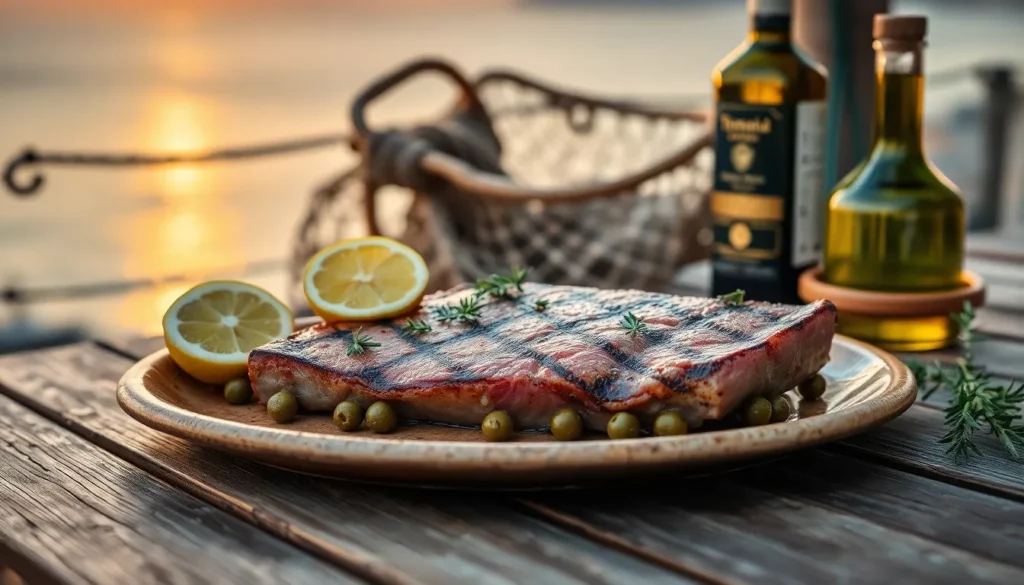
Tonno is the Italian word for tuna, but in culinary terms it refers to the revered preparation and consumption of this fish in Italian cuisine. Unlike the canned tuna commonly used in American tuna salad, Italian Tonno emphasizes the quality of the fish itself—whether fresh, preserved in olive oil, or cured. The most iconic forms are Tonno alla griglia (grilled tuna steak), Tonno sott’olio (tuna preserved in olive oil), and Tonno in scapece (marinated fried tuna). Originating from coastal regions such as Sicily, Campania, and Liguria, Tonno is prized for its firm texture and rich flavor, often paired with simple ingredients like lemon, capers, olives, and fresh herbs. This article explores the history, regional variations, and proper ways to enjoy this cornerstone of Italian seafood cuisine.
Origin & History
The history of Tonno in Italy is deeply tied to the ancient practice of tonnara—the traditional tuna fishing nets used in Sicily and Sardinia for centuries. The Phoenicians and later the Romans established tuna fisheries in the Mediterranean, with the bluefin tuna (Thunnus thynnus) being the most prized. By the Middle Ages, Sicilian tonnare became highly organized, and the fish was preserved through salting or packing in oil for trade. The first documented recipe for Tonno sott’olio appears in the 18th century, but the method of preserving tuna in olive oil likely dates back to ancient times. In the 19th century, the canning industry in Italy, particularly in Sicily and Liguria, industrialized the process, making Tonno sott’olio a pantry staple. A unique cultural anecdote: the mattanza (the ritual killing of tuna in the tonnara) is a dramatic event celebrated in literature and film, symbolizing the cycle of life and the sea’s bounty.
What’s In It
Core ingredients for fresh Tonno dishes include high-quality tuna steak (preferably bluefin or yellowfin), extra-virgin olive oil, lemon, capers, olives, tomatoes, garlic, and fresh herbs like oregano or parsley. For Tonno sott’olio, the ingredients are simply tuna, olive oil, and salt—sometimes with a bay leaf or chili pepper. Preparation nuances: fresh Tonno should be cooked quickly over high heat to maintain a rare center, while preserved Tonno is ready to eat. Differentiate from similar dishes: Tonno alla griglia is not a stew like Tonno alla Livornese (which has a tomato-caper sauce). Also, Tonno in scapece involves frying then marinating in vinegar and herbs, distinct from simple grilled tuna.
Regional Variations
| Region | Dish Name | Key Characteristics |
|---|---|---|
| Sicily | Tonno alla Siciliana | Grilled tuna served with a sauce of tomatoes, capers, olives, and oregano; often accompanied by eggplant or peppers. |
| Liguria | Tonno alla Genovese | Seared tuna steak with a pesto sauce (basil, pine nuts, garlic, Parmesan, olive oil) or simply with lemon and olive oil. |
| Campania (Naples) | Tonno alla Napoletana | Tuna cooked in a tomato sauce with garlic, capers, and black olives, sometimes with a touch of chili. |
| Tuscany (Livorno) | Tonno alla Livornese | Tuna steak simmered in a rich tomato sauce with capers, olives, and garlic; often served with bread or polenta. |
| Veneto | Tonno in Saor | Fried tuna marinated in vinegar, onions, raisins, and pine nuts—a sweet-and-sour preparation influenced by Venetian trade. |
How It’s Traditionally Eaten
Fresh Tonno is typically served as a secondo piatto (main course) after pasta or soup. It is often paired with a simple contorno of grilled vegetables or a green salad. Tonno sott’olio is used in antipasti, salads, or as a filling for sandwiches and pasta sauces. Occasions: fresh Tonno is a summer favorite, especially at seaside restaurants; preserved Tonno is an everyday staple. On holidays like Ferragosto, grilled Tonno is common. In Sicily, Tonno alla griglia is a highlight of the Festa del Tonno in Favignana.
Common Mistakes / What It’s Not
A frequent American-Italian misconception is that Tonno refers only to canned tuna for tuna salad. In Italy, Tonno sott’olio is high-quality tuna packed in olive oil, not water, and is never mixed with mayonnaise. Another mistake: overcooking fresh Tonno until dry—Italians prefer it rare to medium-rare. Also, Tonno is not a pasta dish (though it can be used in pasta sauces); it is primarily a fish course. Avoid confusing Tonno alla Livornese with Baccalà alla Livornese (salt cod). Corrective guidance: when ordering, specify Tonno fresco for fresh or Tonno sott’olio for preserved; ask for al sangue (rare) for grilled tuna.
Where to Try It / What to Order
For authentic Tonno, visit Sicily: the island of Favignana (Egadi Islands) is famous for its tonnara and fresh tuna. In Trapani, try Tonno alla griglia at Ristorante Il Veliero. In Livorno, order Tonno alla Livornese at Trattoria da Gigi. In Genoa, seek out Tonno alla Genovese at Osteria di Vico Palla. For preserved Tonno, look for artisan brands like Tonno di Carloforte from Sardinia or Tonno di Sicilia. Ordering tips: ask for the catch of the day; if it’s tonno rosso (bluefin), expect a premium price. Pair with a crisp Vermentino or a light red like Frappato.
Related Dishes
FAQ
What is Tonno in Italian cuisine?
Tonno is the Italian word for tuna, but it specifically refers to high-quality preparations of the fish, such as grilled tuna steak (Tonno alla griglia) or tuna preserved in olive oil (Tonno sott'olio). It is a staple of coastal Italian cooking, especially in Sicily, Liguria, and Tuscany.
How is Tonno different from canned tuna?
Italian Tonno sott'olio is premium tuna packed in olive oil, not water, and is never mixed with mayonnaise. It has a firmer texture and richer flavor. Fresh Tonno is cooked rare to medium-rare, unlike the overcooked tuna common in other cuisines.
What are the main regional variations of Tonno?
Key variations include Tonno alla Livornese (Tuscany) with tomato-caper sauce, Tonno alla Siciliana with capers and olives, Tonno alla Genovese with pesto, and Tonno in Saor (Veneto) with sweet-and-sour marinade.
Is Tonno served as a pasta dish?
No, Tonno is primarily a main course (secondo piatto). However, Tonno sott'olio is sometimes used in pasta sauces, but the dish itself is not a pasta dish.
Where can I try authentic Tonno in Italy?
For fresh Tonno, visit Favignana (Sicily) for grilled tuna, Livorno for Tonno alla Livornese, or Genoa for Tonno alla Genovese. For preserved Tonno, look for artisan brands from Carloforte (Sardinia) or Sicily.


Leave a Reply