Short Answer
What Is Spina? Italian Festive Bread Explained
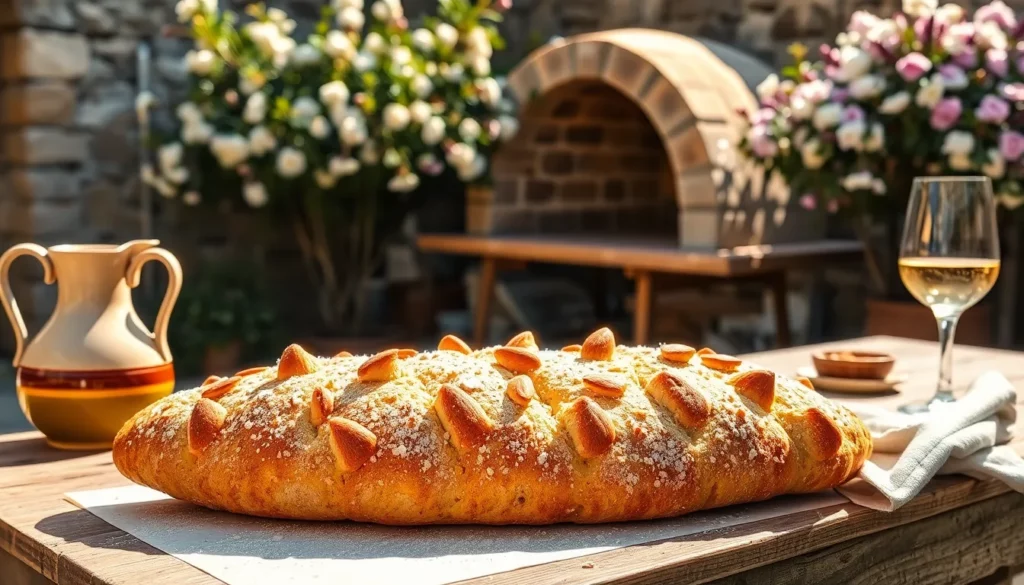
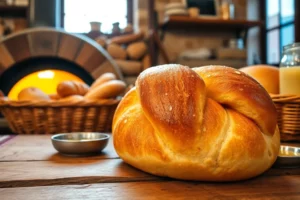
Spina (pronounced SPEE-nah) is a traditional Sardinian bread, characterized by its distinctive shape resembling a pinecone or a thorn—hence the name spina, Italian for “thorn” or “spine.” This festive bread originates from the island of Sardinia, particularly the central and southern regions, and is made from durum wheat semolina, lard, saffron, and sometimes raisins or nuts. Its golden, crisp crust and soft, aromatic crumb make it a centerpiece of Easter and other celebratory tables. Unlike everyday breads, Spina is labor-intensive and symbolic, often prepared for religious festivals and family gatherings.
Origin & History
The roots of Spina trace back to the Nuragic civilization of Sardinia (18th–2nd century BCE), where bread was both sustenance and ritual offering. The shape of Spina—a spiky, pinecone-like form—is believed to represent fertility, abundance, and the prickly protection of the island’s wild flora. Historical records from the Middle Ages show that Sardinian monasteries refined the recipe, adding saffron (introduced by Arab traders) and lard (a sign of wealth). By the 19th century, Spina had become a staple of Easter celebrations in towns like Oristano, Cagliari, and Nuoro. Unlike myths that claim it was a Roman import, Spina is authentically Sardinian, with no direct counterpart on the Italian mainland. Its name, however, is often confused with the unrelated pasta shape spina from Campania, but the bread remains unique to Sardinia.
What’s In It
The core ingredients of Spina are simple yet distinctive: durum wheat semolina (or fine semola rimacinata), fresh lard (strutto), saffron threads, salt, and yeast. Some variations include a touch of sugar, raisins, or toasted almonds. The dough is kneaded vigorously, then shaped by hand into a cone or oval, with surface cuts or added dough strips to create the characteristic “spikes.” After a slow rise, it is baked in a wood-fired oven until deep golden. The saffron imparts a subtle floral aroma and a rich yellow hue. Spina differs from similar Italian breads like pane di Pasqua (Easter bread) because it uses lard instead of olive oil, and its shape is purely decorative, not functional for slicing. It is also distinct from pane carasau (Sardinian flatbread) in texture and preparation.
Regional Variations
Spina varies across Sardinia’s subregions, reflecting local tastes and traditions. Below is a comparison of three major areas:
| Region | Key Characteristics | Occasion |
|---|---|---|
| Oristano (west) | Larger, more elongated shape; often studded with whole almonds; mild saffron flavor | Easter Sunday and Saint Efisio festival |
| Nuoro (central) | Smaller, rounder base; intense saffron; sometimes filled with pecorino cheese | Christmas and weddings |
| Cagliari (south) | Spikes are more pronounced; dough includes a pinch of cinnamon; served with honey | Easter Monday and harvest festivals |
In the Barbagia region, Spina is often paired with seadas (cheese-filled pastries) for a savory-sweet contrast. The island’s isolation preserved these variations, making each town’s Spina a point of local pride.
How It’s Traditionally Eaten
Spina is not a daily bread; it is reserved for special occasions. It is typically served as a contorno (side dish) or as part of a merenda (afternoon snack) during festivities. At Easter, it accompanies roasted lamb, artichokes, and vermentino wine. The bread is broken by hand—never cut with a knife—to preserve its symbolic integrity. It is also used in a traditional Sardinian game called sa spina, where children try to break the bread without touching the spikes. Leftover Spina is often toasted and crumbled over soups or salads. Unlike many Italian breads, Spina is rarely eaten with butter; instead, it is dipped in olive oil or honey.
Common Mistakes / What It’s Not
Many American-Italian cookbooks mistakenly describe Spina as a “sweet bread” similar to panettone, but it is only mildly savory, with the sweetness coming from raisins or honey if added. It is not a dessert bread. Another misconception is that Spina is the same as pane di Pasqua from central Italy; however, the latter uses eggs and butter, while Spina relies on lard and saffron. Spina is also not a pasta shape—despite the name “spina” being used for a type of spaghetti in Campania. Travelers should order “pane spina” or “spina sarda” to avoid confusion. Finally, Spina should not be confused with spina (meaning “tap” in Italian) in the context of beer; the bread is always referred to with the feminine article “la spina.”
Where to Try It / What to Order
To experience authentic Spina, visit Sardinia during Easter or the Sagra del Pane Spina in Oristano (late April). In Cagliari, try Pasticceria Pabillonis or Forno Gioia for freshly baked loaves. In Nuoro, the family-run Panificio Mura offers a traditional version with pecorino. For ordering, ask for “una spina intera” (a whole spina) or “mezza spina” (half). If you cannot travel, some Italian bakeries in the US (e.g., in New York’s Arthur Avenue) produce Spina for Easter, but authenticity varies. Always check that the bread is made with lard and saffron, not substitutes.
Related Dishes
FAQ
What is Spina bread made of?
Spina is made from durum wheat semolina, lard, saffron, salt, yeast, and sometimes raisins or almonds. The dough is shaped into a spiky cone and baked until golden.
Is Spina a sweet or savory bread?
Spina is primarily savory, with a subtle floral note from saffron. Some versions add a touch of sugar or honey, but it is not a dessert bread.
Where can I buy authentic Spina?
Authentic Spina is best found in Sardinia, especially in Oristano, Nuoro, and Cagliari during Easter. Some Italian bakeries abroad produce it, but check for lard and saffron.
How is Spina traditionally eaten?
Spina is broken by hand and served as a side dish with roasted meats, or dipped in olive oil or honey. It is often part of Easter celebrations.
What is the difference between Spina and Pane di Pasqua?
Pane di Pasqua is a sweet egg-and-butter bread from central Italy, while Spina uses lard and saffron and has a savory, spiky shape.
Leave a Reply