Short Answer
Getting There
Mantua is located in the Lombardy region of Northern Italy, positioned conveniently between Milan, Verona, and Bologna. For international travelers, the nearest practical airport is Verona Villafranca Airport (VRN), approximately 45 minutes away by car or shuttle. Larger international hubs include Milan Malpensa (MXP) and Milan Linate (LIN), both roughly 2 to 2.5 hours away by car or train combination, and Bologna Guglielmo Marconi Airport (BLQ), about 1.5 hours away. Travelers arriving by air should verify current shuttle schedules or rent a car, noting that driving into the historic center requires specific permits.
Rail travel is often the most efficient method for reaching Mantua. The city is well-connected via the Italian national rail network, Trenitalia. Direct regional trains run frequently from Milan Centrale, taking approximately 1 hour and 45 minutes to 2 hours. Connections from Verona Porta Nuova are quicker, typically taking 30 to 40 minutes. Bologna also offers direct regional services taking around 1 hour and 15 minutes. The Mantova train station is located just outside the historic walls, within a 15-minute walk of the main Piazza Sordello. Always check current timetables before departure, as regional schedules can change seasonally.
Getting Around
Mantua’s historic center is compact and predominantly flat, making it highly walkable for most visitors. The majority of key attractions, including the Ducal Palace and the Cathedral, are clustered within the walled city, accessible comfortably on foot. Local public buses, operated by APAM, serve the city and surrounding suburbs, useful for reaching accommodations outside the center or visiting Palazzo Te, which is about a 20-minute walk from the main square. Taxis are available at the train station and major squares, but ride-hailing services may have limited availability compared to larger metropolitan areas.
Driving within Mantua requires careful attention to traffic restrictions. The historic center is a Zona a Traffico Limitato (ZTL), meaning unauthorized vehicles are prohibited during specific hours. Fines for violations are strictly enforced via cameras. Visitors arriving by car should park in designated lots outside the walls, such as near the train station or along the lakeside avenues, and proceed on foot. Cycling is a popular and scenic option, with flat paths环绕 the three lakes that surround the city. Bike rentals are available near the center, offering a pleasant way to explore the外围 areas and parks.
Best Time to Visit
The ideal time to visit Mantua is during the spring months of April through June or the autumn months of September and October. During these periods, temperatures are mild, typically ranging from 15°C to 25°C, and the humidity is lower. These seasons also coincide with fewer crowds compared to the peak summer months, allowing for a more relaxed experience at major sites like Palazzo Te. Spring brings blooming gardens, while autumn offers harvest-related food events and vibrant foliage around the lakes.
Summer in Mantua can be hot and humid, exacerbated by the presence of the three lakes surrounding the city. While July and August offer long daylight hours, visitors should be prepared for higher temperatures and potential closures of smaller shops during the Ferragosto holiday in mid-August. Winter, from November to February, is characterized by cold temperatures and frequent fog, known locally as “nebbia.” While winter sees the fewest tourists and lower accommodation rates, some outdoor experiences may be less enjoyable. Always verify opening hours for specific attractions during off-peak seasons, as schedules may be reduced.
Top Things to Do
Palazzo Ducale (Ducal Palace)
The Palazzo Ducale is the centerpiece of Mantua’s cultural heritage, a vast complex of buildings and courtyards that served as the residence of the Gonzaga family for centuries. Visitors can explore hundreds of rooms, including the famous Camera degli Sposi with its Renaissance frescoes by Andrea Mantegna. Due to the size of the complex, allocate at least two to three hours for a thorough visit. Timed entry tickets are recommended, especially during peak seasons, and photography restrictions may apply in certain frescoed rooms.
Palazzo Te
Located just outside the historic center, Palazzo Te is a masterpiece of Mannerist architecture designed by Giulio Romano. Built as a leisure palace for the Gonzaga dukes, it features illusionistic frescoes and expansive gardens. It is particularly suited for art and architecture enthusiasts. The site is accessible by foot or local bus, and combined tickets with the Ducal Palace are often available, providing better value for visitors planning to see both.
Basilica of Sant’Andrea
Designed by Leon Battista Alberti, this basilica is one of the most important examples of Renaissance architecture in Italy. The interior houses the tomb of the artist Andrea Mantegna and features a soaring nave. It remains an active church, so visitors should dress appropriately and check for mass schedules that might limit access. The facade is iconic and serves as a landmark for navigation within the city.
Piazza Sordello
This main square is the social heart of Mantua, surrounded by historic buildings including the Cathedral and the Palazzo del Capitano. It is an excellent spot for people-watching, enjoying a coffee, or starting a walking tour. The piazza often hosts markets and cultural events throughout the year. It is fully pedestrianized, making it safe and accessible for families.
Palazzo della Ragione
Also known as the Palazzo del Podestà, this medieval building features a large clock tower and connects Piazza Sordello to Piazza delle Erbe. It houses civic offices and occasionally hosts exhibitions. The architecture reflects the city’s medieval communal history prior to the Gonzaga era. It is a quick but significant stop for understanding the city’s political evolution.
The Lakes and Parks
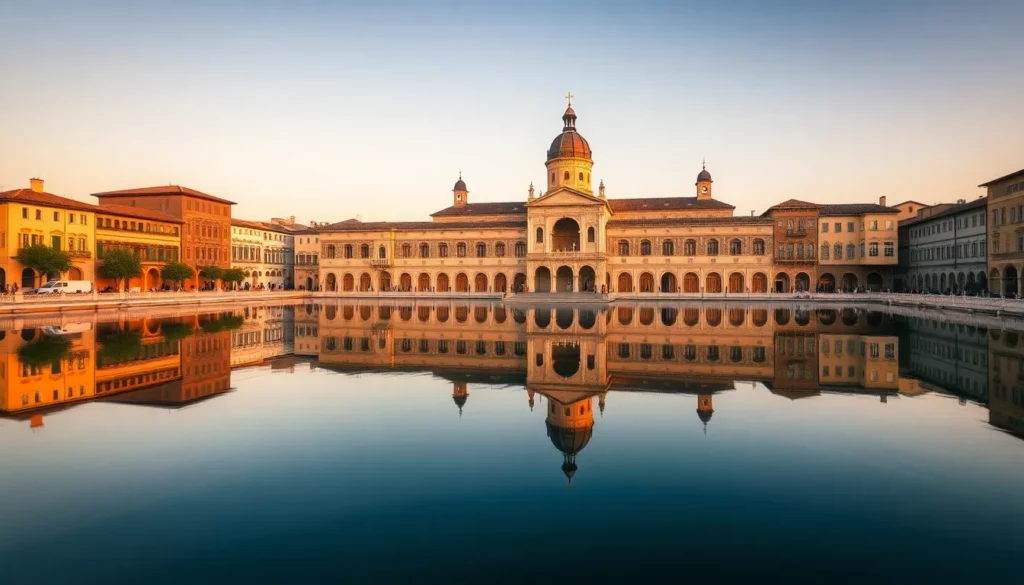
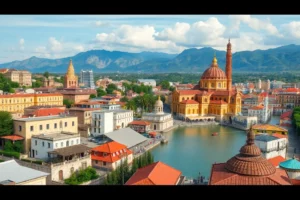
Mantua is surrounded by three artificial lakes: Lago Superiore, Lago di Mezzo, and Lago Inferiore. The lakeside promenades offer scenic walking and cycling paths with views of the city reflected in the water. Parco Biondo and other green spaces along the water provide quiet areas for relaxation away from the busy center. These areas are particularly pleasant during sunset and are free to access.
Where to Eat
Mantua’s cuisine is rooted in the Lombard tradition, heavily influenced by the agricultural richness of the Po Valley. The signature dish is Tortelli di Zucca, pumpkin-filled pasta served with butter, sage, and mostarda di frutta. Other local specialties include Risotto alla Pilota, a hearty rice dish with pork sausage, and Salame Mantovano, a protected geographical indication cured meat. Visitors should look for Osterie and Trattorias rather than tourist-focused restaurants to experience authentic preparations.
Meal timing follows standard Italian customs, with lunch typically served from 12:30 PM to 2:30 PM and dinner from 7:30 PM onwards. Many kitchens close between these periods. Wine pairings often include local Lambrusco Mantovano, a slightly sparkling red wine that complements the rich fatty meats and pastas. Vegetarian options are widely available, though traditional menus are meat-heavy. Always check menus posted outside for current pricing and availability.
Where to Stay
For first-time visitors, staying within the Historic Center offers the greatest convenience, placing you within walking distance of major sights and dining options. This area is ideal for couples and culture-focused travelers who do not plan to use a car daily. However, accommodations here can be pricier, and noise from Piazza Sordello may be a factor on weekends. Look for hotels or guesthouses in the streets radiating from the main square.
Budget travelers and those with cars may prefer accommodations just outside the city walls. Areas near the train station or along the lakeside avenues offer easier parking and often lower rates. These locations are still within a 15 to 20-minute walk of the center or a short bus ride. Families might appreciate these quieter zones for easier logistics with strollers or luggage. Regardless of location, verify parking arrangements in advance, as street parking is limited and regulated.
Suggested Itinerary
2-Day Highlights Itinerary
Day 1: Begin at Piazza Sordello to orient yourself. Visit the Cathedral and Palazzo Ducale in the morning. Enjoy a traditional lunch featuring Tortelli di Zucca. Spend the afternoon exploring the streets around Piazza delle Erbe and visit the Basilica of Sant’Andrea. End the day with a walk along the lakeside.
Day 2: Dedicate the morning to Palazzo Te. Return to the center for lunch. Visit the Palazzo della Ragione and any remaining museums. Use the evening for shopping for local salami or mostarda before departure.
4-Day Relaxed Itinerary
Day 1 & 2: Follow the 2-day highlights itinerary but at a slower pace, allowing time for coffee breaks and extended museum visits.
Day 3: Explore the lakes more thoroughly by bike. Visit the Palazzo San Sebastiano or other smaller museums. Enjoy a leisurely dinner in a neighborhood Osteria away from the main square.
Day 4: Take a half-day trip to a nearby destination such as Verona or spend the morning revisiting a favorite site. Depart in the afternoon.
Local Etiquette & Practical Tips
When visiting churches such as the Basilica of Sant’Andrea, modest dress is required; shoulders and knees should be covered. Greetings are important in Italian culture; a polite “Buongiorno” (Good day) or “Buonasera” (Good evening) upon entering shops or restaurants is expected. Tipping is not mandatory but leaving small change or rounding up the bill in restaurants is appreciated for good service.
Payment habits vary; while credit cards are widely accepted, some smaller establishments or markets may prefer cash. Always carry some Euros for small purchases. Be mindful of the ZTL restrictions if driving; unauthorized entry results in fines. Safety is generally high, but standard precautions against pickpocketing in crowded tourist areas apply. Accessibility varies; while main squares are flat, some historic buildings may have limited elevator access due to preservation laws.
Day Trips from Mantua
Verona: Located just 40 minutes away by train, Verona offers Roman arenas and Shakespearean history. It is ideal for a full-day trip and combines well with Mantua for a broader Lombardy-Veneto experience.
Modena: About 1 hour away by car or train, Modena is renowned for its food culture and automotive history. It is best suited for foodies and car enthusiasts looking for a full-day excursion.
Cremona: Known for violin making and medieval architecture, Cremona is roughly 45 minutes away. It makes for a quiet half-day or full-day cultural trip.
Lake Garda: The southern shores of Lake Garda are about 45 minutes to 1 hour away. Towns like Peschiera del Garda offer lakeside activities and are suitable for families seeking outdoor recreation.
FAQ
Is Mantua worth visiting?
Yes, Mantua is highly recommended for travelers interested in Renaissance art, history, and authentic Italian cuisine without the intense crowds of larger cities.
How many days do you need in Mantua?
Two days are sufficient for the main highlights, but three to four days allow for a more relaxed pace and time for day trips to nearby cities.
Is Mantua safe and walkable?
Mantua is generally very safe and highly walkable. The historic center is flat and compact, though visitors driving must be careful of ZTL traffic restrictions.
Leave a Reply