Short Answer
Getting There
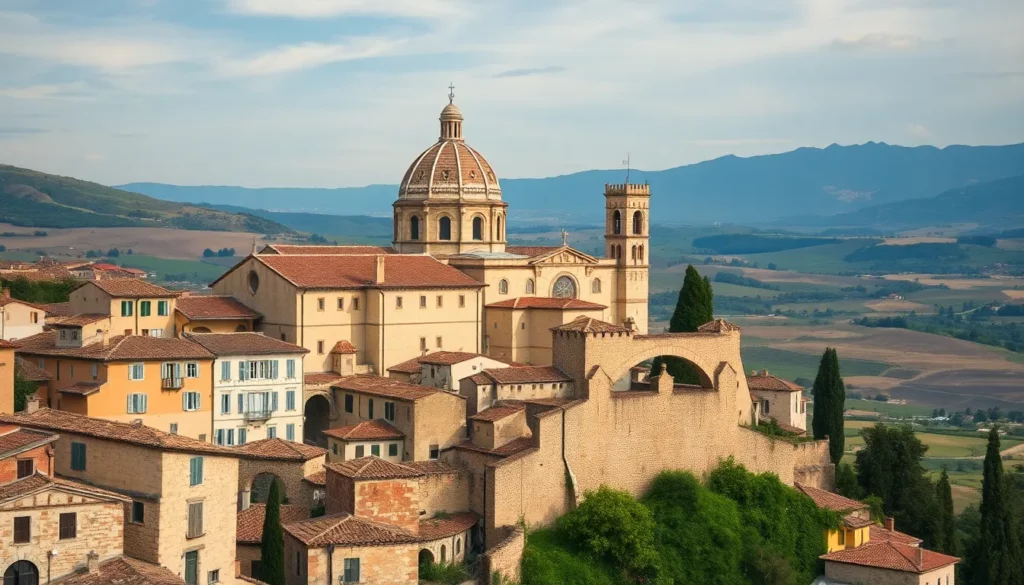
Assisi is located in the Umbria region of central Italy, perched on the slopes of Mount Subasio. The most practical international gateways are Rome Fiumicino (FCO) and Rome Ciampino (CIA), both approximately two to three hours away by car or combined train and bus connections. Perugia San Francesco d’Assisi Airport (PEG) is the nearest regional airport, located about 30 minutes away by car, though flight connections are more limited than Rome.
For rail travelers, the main train station is Santa Maria degli Angeli, situated in the valley below the historic hilltop center. This station is on the regional line connecting Florence and Rome. From Santa Maria degli Angeli, visitors must take a local bus or taxi to reach the upper town of Assisi, as the historic center is not directly accessible by train. Direct buses also operate from Rome and other major Umbrian towns, often dropping passengers closer to the historic gates. Always verify current schedules with national rail operators and local transit authorities before booking, as frequencies may change seasonally.
Getting Around
Assisi is primarily a walking destination. The historic center is compact, cobblestoned, and largely pedestrianized, making it ideal for exploring on foot. However, be prepared for steep inclines and uneven surfaces, which may pose challenges for travelers with mobility issues. Local minibuses connect the lower parking areas, the train station vicinity, and key points within the town, such as the Basilica of San Francesco.
Driving a private car into the historic center is generally prohibited for non-residents due to strict Limited Traffic Zones (ZTL). Visitors with vehicles should park in designated lots outside the walls, such as those near Porta Nuova or the lower terminals, and use shuttle services or walk upward. While a car offers flexibility for day trips to surrounding Umbrian villages, it is unnecessary and often inconvenient for staying within Assisi itself. Taxis are available but should be booked in advance for early morning or late evening transfers.
Best Time to Visit
The ideal time to visit Assisi is during the shoulder seasons of spring (April to June) and autumn (September to October). During these months, temperatures are mild, typically ranging from 15°C to 25°C, and the countryside is lush or colored with harvest hues. Crowd levels are moderate compared to the peak summer season, allowing for a more contemplative experience at major religious sites.
Summer (July and August) brings high temperatures and significant crowds, particularly around religious feast days. Winter (November to March) is quiet and cold, with some reduced hours for attractions, but offers a serene atmosphere for pilgrimage and reflection. Major religious events, such as the Feast of St. Francis on October 4th, draw large crowds; travelers seeking tranquility should avoid these specific dates, while those interested in cultural festivities may find them rewarding. Always check the official tourism calendar for current event dates and opening hours.
Top Things to Do
Basilica of San Francesco
The centerpiece of Assisi, this UNESCO World Heritage site comprises two churches built over the saint’s tomb. The Upper Basilica is renowned for Giotto’s frescoes depicting the life of St. Francis, while the Lower Basilica houses the crypt and additional medieval art. Visitors should dress modestly and expect security checks. It is advisable to arrive early to avoid peak tour groups.
Basilica of Santa Chiara
Dedicated to St. Clare, the follower and contemporary of St. Francis, this Gothic church holds her remains and the famous San Damiano Cross. The architecture is striking, with a rose window and a fortified appearance reflecting the turbulent times of its construction. It offers a quieter alternative to the main basilica while remaining historically significant.
Piazza del Comune
The main square serves as the civic heart of Assisi, flanked by the Temple of Minerva, the Town Hall, and the Bishop’s Palace. It is an excellent spot for people-watching and understanding the medieval civil power that coexisted with the religious orders. The square often hosts local markets and cultural events throughout the year.
Rocca Maggiore
This imposing fortress dominates the skyline and offers panoramic views over the Umbrian valley. Originally built in the 12th century and expanded over time, it provides insight into the military history of the region. The walk up to the Rocca is steep but rewarding, and the interior courtyards are often used for summer concerts.
San Damiano
Located just outside the town walls, this convent is where St. Clare lived and where St. Francis prayed before the crucifix that reportedly spoke to him. The site retains a simple, rustic charm and includes a garden and cloister. It is accessible by foot or local bus and is essential for those interested in the origins of the Franciscan order.
Eremo delle Carceri
Set high on Mount Subasio within a ancient forest, this hermitage is where St. Francis and his followers retreated for prayer and solitude. The atmosphere is profoundly peaceful, with small chapels built into the rock face. Reaching it requires a bus ride or a strenuous hike, but it offers a unique connection to the spiritual landscape of the saint.
Temple of Minerva
One of the best-preserved Roman temples in Italy, this structure stands prominently on Piazza del Comune. Although the interior was modified into a church during the Renaissance, the Corinthian columns on the facade remain intact. It serves as a tangible link to the pre-Christian history of the town.
Museo del Tesoro della Basilica di San Francesco
Located within the basilica complex, this museum houses sacred vessels, vestments, and manuscripts related to St. Francis. It provides deeper context for the art seen in the churches and is suitable for visitors wishing to explore the religious artifacts in detail. Admission usually requires a combined ticket with the basilica.
Where to Eat
Assisi and the surrounding Umbria region are known for hearty, rustic cuisine. Local specialties include truffles, wild boar, pork products like prosciutto and salami, and lentils from the nearby town of Castelluccio. Travelers should look for traditional taverns and enotecas serving dishes such as umbricelli (hand-rolled pasta), porchetta (roast pork), and grilled meats.
Meal times generally follow Italian customs, with lunch served from 12:30 PM to 2:30 PM and dinner from 7:30 PM onwards. Many kitchens close between these periods. Wine is an integral part of the dining experience, with local Sagrantino and Grechetto varieties widely available. For budget-friendly options, look for pizzerie al taglio (pizza by the slice) or bakeries offering focaccia. Always verify opening days, as some family-run establishments may close on Mondays or Tuesdays.
Where to Stay
For first-time visitors and those seeking atmosphere, staying within the historic center is ideal. This puts you within walking distance of the major basilicas and squares, though it often comes at a higher price point and may involve navigating steep streets with luggage. Couples and culture-focused travelers typically prefer this area for the evening ambiance.
Budget travelers and those with cars may find better value in Santa Maria degli Angeli, located in the valley below. This area offers easier parking, flat terrain, and direct access to the train station, with frequent buses connecting to the hilltop. Families might also appreciate the wider selection of apartment-style accommodations here. For a immersive rural experience, agriturismo (farm stays) in the surrounding countryside offer peace and local food, though a car is essential for these locations.
Suggested Itinerary
2-Day Highlights Itinerary
Day 1: Arrive and check in. Visit the Basilica of San Francesco (Upper and Lower) in the morning. Lunch in the historic center. Afternoon visit to Piazza del Comune and the Temple of Minerva. Dinner at a local tavern.
Day 2: Morning walk to the Basilica of Santa Chiara. Visit the Rocca Maggiore for views. Afternoon trip to San Damiano. Departure or evening relaxation in the square.
4-Day Relaxed Itinerary
Day 1: Arrival and orientation walk. Visit Piazza del Comune and Temple of Minerva. Evening stroll.
Day 2: Dedicated morning for the Basilica of San Francesco and its museum. Afternoon free for shopping or cafes.
Day 3: Day trip to nearby Spello or Perugia. Return for dinner in Assisi.
Day 4: Visit Eremo delle Carceri in the morning. Explore San Damiano. Departure in the afternoon.
Local Etiquette & Practical Tips
Assisi is an active religious site as well as a tourist destination. Visitors entering churches must dress modestly, covering shoulders and knees. Silence is expected inside the basilicas, and photography may be restricted in certain areas, often requiring the purchase of a photo permit. Tipping in restaurants is not mandatory but leaving small change or rounding up the bill is appreciated for good service.
Italian is the primary language, though English is widely spoken in tourist areas. Learning basic greetings like buongiorno (good morning) and grazie (thank you) is welcomed. Credit cards are accepted in most establishments, but carrying some cash is advisable for small shops, buses, or older cafes. Be mindful of personal belongings in crowded areas, though violent crime is rare. Accessibility is limited in the historic center due to cobblestones and stairs; travelers with mobility needs should plan routes carefully and check access details for specific sites in advance.
Day Trips from Assisi
Perugia: The regional capital is located about 30 minutes away by train or car. It offers a larger urban experience with museums, galleries, and a vibrant university atmosphere. Suitable for a full-day trip.
Spello: Known as one of Italy’s most beautiful villages, Spello is just a short train ride away. It features narrow medieval streets and flower-decorated alleys. Ideal for a half-day or full-day visit.
Montefalco: Famous for its Sagrantino wine, this town offers excellent wine tasting opportunities and art museums. Accessible by bus or car, it is best suited for a half-day excursion focused on food and wine.
Gubbio: A historic town on the slopes of Mount Ingino, known for its Roman theatre and medieval architecture. It is about an hour away by car and makes for a rewarding full-day trip.
Orvieto: Located in southern Umbria, this city is famous for its cathedral and underground caves. It is reachable by train via a connection in Foligno or Terni, suitable for a full-day excursion.
Mount Subasio Park: For nature lovers, the surrounding regional park offers hiking trails and picnic areas. Accessible by foot from town or by car to trailheads, perfect for a half-day active outing.
FAQ
Is Assisi worth visiting?
Yes, Assisi is highly recommended for its spiritual significance, medieval architecture, and art. It suits pilgrims, history buffs, and travelers seeking a quiet hilltop atmosphere.
How many days do you need in Assisi?
Two days are sufficient for the main highlights, but three to four days allow for a relaxed pace and day trips to nearby Umbrian villages.
Is Assisi safe and walkable?
Assisi is very safe with low crime rates. It is walkable but hilly with cobblestones, which may be challenging for those with mobility issues.
Leave a Reply