
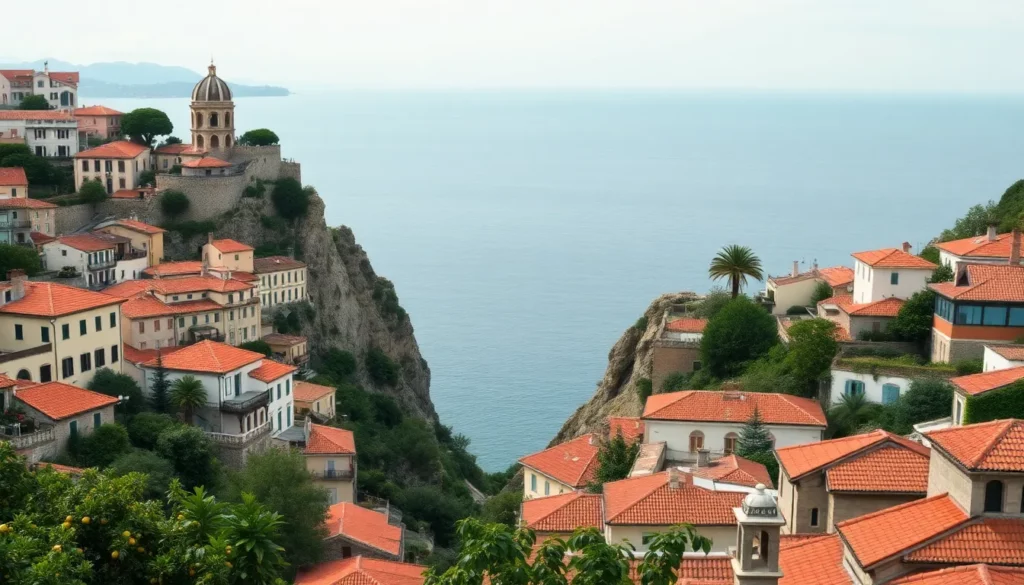
Short Answer
Getting There
The primary gateway for international and domestic travelers is Naples International Airport (NAP), located approximately 50 kilometers north of Sorrento. Upon arrival, visitors have several transfer options. The most direct public transport option is the Curreri Viaggi bus, which runs regularly between the airport and Sorrento’s main bus terminal. Alternatively, travelers can take the Alibus or a taxi to Naples Central Station (Napoli Centrale) to connect with the Circumvesuviana railway. This local train line terminates in Sorrento and offers a scenic, cost-effective route through the Bay of Naples suburbs.
For those arriving from major Italian hubs such as Rome or Milan, high-speed rail services operated by Trenitalia or Italo connect to Naples Central Station in approximately one to three hours depending on the service type. From Naples Central, the transfer to Sorrento requires switching to the Circumvesuviana local train or a private car service. Direct ferry services to Sorrento operate seasonally from Naples and Capri, providing a scenic maritime arrival, though schedules are weather-dependent and less frequent outside the summer months. Always verify current timetables with official transport operators before booking, as services may change due to strikes or seasonal adjustments.
Getting Around
Sorrento’s historic center is compact and highly walkable, with most key attractions, shops, and restaurants located within pedestrian-friendly zones. The main thoroughfare, Corso Italia, connects the main square to various viewpoints and is best explored on foot. For destinations further afield, such as nearby beaches or neighboring towns along the coast, the SITA Sud bus network provides regular service. These buses can become crowded during peak tourist season, so allowing extra travel time is advisable.
The Circumvesuviana train is useful for reaching archaeological sites like Pompeii and Herculaneum or commuting to Naples. Taxis and private car services are available but tend to be more expensive than public transport. Renting a car is generally discouraged for visitors staying within Sorrento itself. The historic center features Limited Traffic Zones (ZTL) where unauthorized vehicles are fined, and parking is scarce and costly. A vehicle is only recommended for travelers planning extensive exploration of inland rural areas or multiple day trips where public transport schedules are too restrictive.
Best Time to Visit
The optimal time to visit Sorrento is during the shoulder seasons of spring (April to June) and autumn (September to October). During these months, daytime temperatures are pleasant for walking and sightseeing, typically ranging from 18°C to 25°C, and crowd levels are manageable compared to the peak summer period. Hotels and flights often offer better value outside of July and August.
Summer (July and August) brings intense heat and significant crowds, particularly in August when many European travelers take holidays. While the atmosphere is vibrant, beaches and restaurants may be fully booked, and prices peak. Winter (November to March) is quiet, with many hotels and seasonal restaurants closing. However, this period suits travelers seeking solitude and lower costs, provided they verify opening hours for attractions and dining venues in advance. Religious festivals and local events occur throughout the year, but dates vary annually, so checking the local tourism board calendar is recommended.
Top Things to Do
Piazza Tasso
The main square serves as the social hub of Sorrento, surrounded by cafes, shops, and hotels. It is an ideal starting point for orienting yourself within the town. The square often hosts live music and events during the summer evenings, offering a vibrant atmosphere for people-watching and enjoying an espresso.
Villa Comunale
This public park offers some of the most spectacular panoramic views over the Bay of Naples and Mount Vesuvius. The gardens are free to enter and provide a shaded respite from the sun. It is particularly popular at sunset when the light illuminates the water and the volcano silhouette.
Marina Grande
Unlike the main marina used for ferries, Marina Grande is a traditional fishing village nestled below the cliffs. Accessible via a steep walk or elevator, it features colorful boats and seafood restaurants lining the shore. It offers a more authentic maritime atmosphere compared to the bustling town center.
Museo Correale
Housed in an 18th-century villa with terraced gardens, this museum displays a collection of paintings, ceramics, and antique furniture. The exhibits provide insight into the region’s history and artistic heritage. The surrounding gardens offer additional viewpoints over the orange groves and the sea.
Cathedral of Saints Philip and James
The main religious building in Sorrento features a neo-Gothic facade and a bell tower visible from many parts of town. Inside, visitors can view religious art and a crypt dating back to the 11th century. Modest dress is required when entering, covering shoulders and knees.
Bagni Regina Giovanna
This natural swimming pool is located in a secluded cove near the ruins of a Roman villa. Access involves a walk along a coastal path. The clear waters and historical setting make it a unique spot for swimming away from the organized beach clubs.
Limoncello Tasting
Sorrento is famous for its large, fragrant lemons. Many local shops and farms offer tastings of Limoncello, the lemon liqueur produced from the local zest. Visiting a grove or distillery provides context on the agricultural traditions of the peninsula.
Sunset at Punta del Capo
For a quieter experience, walk toward the western edge of the town where the cliffs meet the open sea. This area offers unobstructed views of the sunset over the water, away from the crowds of the main squares.
Where to Eat
Dining in Sorrento centers on Campanian cuisine, characterized by fresh vegetables, seafood, and high-quality olive oil. Signature dishes include Gnocchi alla Sorrentina, baked with tomato sauce and mozzarella, and fresh pasta served with seafood sauces. Lemon features prominently in desserts, such as Delizia al Limone, and in digestifs like Limoncello.
Meal times follow Italian customs, with lunch typically served between 1:00 PM and 3:00 PM and dinner starting around 8:00 PM. Many kitchens close between these periods. Travelers should look for menus featuring local catch and seasonal produce rather than generic tourist fare. A “coperto” or cover charge is commonly added to the bill in sit-down restaurants. Tipping is not mandatory as service is often included, but leaving small change is appreciated for good service.
Where to Stay
First-time visitors often prefer the Historic Center for immediate access to shops, restaurants, and transport hubs. This area is lively but can be noisy at night. Sant’Agnello, located just east of the center, offers a quieter residential atmosphere with easy bus connections and cliffside views. Families may appreciate this area for its relaxed pace.
Marina Grande provides a waterfront experience, though accommodation options are limited and involve navigating steep streets to reach the town center. For travelers with a car or those seeking seclusion, the Massa Lubrense area on the southern tip of the peninsula offers agriturismo stays and rural settings. Budget travelers should look for guesthouses in the higher elevations of the town, while luxury seekers will find high-end hotels with sea views along the cliffs. Booking well in advance is crucial for the summer season.
Suggested Itinerary
2-Day Highlights
Day 1: Arrive and settle in. Spend the morning exploring Piazza Tasso and the Villa Comunale for views. Have lunch in the historic center. In the afternoon, visit the Cathedral and browse local lemon product shops. Enjoy dinner at a traditional trattoria.
Day 2: Take the elevator or walk down to Marina Grande for a morning walk among the boats. Visit the Museo Correale in the early afternoon. Spend the late afternoon at a beach club or Bagni Regina Giovanna. Depart or enjoy a final sunset drink.
4-Day Relaxed Stay
Day 1 & 2: Follow the 2-day highlights itinerary to cover the main town attractions.
Day 3: Take a morning train to Pompeii for a half-day tour of the archaeological site. Return to Sorrento for a relaxed evening.
Day 4: Dedicate this day to a boat trip to Capri or a bus ride along the Amalfi Coast to Positano. Return to Sorrento for a farewell dinner featuring local seafood.
Local Etiquette & Practical Tips
Visitors should dress modestly when entering churches, ensuring shoulders and knees are covered. While Sorrento is generally safe, standard precautions against pickpocketing in crowded areas and on public transport apply. Credit cards are widely accepted, but carrying some cash is useful for small vendors, markets, or buses. Greetings are important; a polite “Buongiorno” (Good morning) or “Buonasera” (Good evening) upon entering shops is customary.
Be aware that many shops close for a few hours in the early afternoon (riposo), though this practice is less strict in high tourist seasons. Tap water is generally safe to drink, but bottled water is commonly served in restaurants. Wi-Fi is available in most hotels and cafes. For accessibility, note that the historic center involves cobblestones and steep cliffs, which may challenge mobility-impaired travelers, though elevators connect some lower levels.
Day Trips from Sorrento
Pompeii
The ancient Roman city buried by Vesuvius is accessible via the Circumvesuviana train in about 30 minutes. It requires a full day to explore properly. Tickets should be purchased in advance during peak season to avoid long queues.
Capri
Hydrofoils and ferries depart regularly from Sorrento’s marina. The journey takes approximately 20 to 30 minutes. Capri is best visited as a full-day trip to allow time for the chairlift to Monte Solaro and a boat tour of the island.
Positano and Amalfi
The SITA bus connects Sorrento to the Amalfi Coast towns. The drive is scenic but winding and can be slow in traffic. Ferries offer a faster alternative in summer. Positano is suitable for a half-day visit, while adding Amalfi requires a full day.
Naples
The regional capital is about an hour away by train. It offers world-class museums, pizza, and historical sites. It is best visited as a full-day trip to accommodate travel time and sightseeing.
Herculaneum
Smaller and better preserved than Pompeii, this site is also on the Circumvesuviana line. It can be combined with a visit to Naples or done as a half-day trip from Sorrento.
FAQ
Is Sorrento worth visiting?
Yes, Sorrento is worth visiting for its strategic location, scenic cliffs, and access to Pompeii, Capri, and the Amalfi Coast. It suits travelers seeking a mix of relaxation, history, and dining.
How many days do you need in Sorrento?
Two days are sufficient for the town itself, but 4 days is recommended to include day trips to Pompeii or Capri without rushing.
Is Sorrento safe and walkable?
Sorrento is generally safe with low crime rates. The center is very walkable, though steep cliffs and stairs require caution. Public transport is reliable for longer distances.



Leave a Reply