Short Answer
Getting There
Cinque Terre is a car-restricted coastal region, making rail and boat the primary modes of access. The nearest major airports are Genoa Cristoforo Colombo Airport (GOA) and Pisa International Airport (PSA). From Genoa, travelers typically take a train to La Spezia Centrale, the main transport hub for the region, with a journey time of approximately 1.5 to 2 hours. From Pisa, the train connection to La Spezia takes roughly 1 hour. Milan Malpensa or Linate airports are viable alternatives for international arrivals, requiring a transfer to Milan Centrale station followed by a high-speed or regional train to La Spezia, totaling 3 to 4 hours of travel.
Upon arriving at La Spezia Centrale, visitors transfer to the regional Cinque Terre Express train, which connects all five villages frequently throughout the day. Alternatively, seasonal ferry services operate from La Spezia and Levanto during warmer months. Driving is generally discouraged within the villages due to limited traffic zones (ZTL), scarce parking, and narrow streets. If arriving by car, it is advisable to park in designated lots outside the villages or in La Spezia and proceed by train.
Getting Around
The most efficient way to navigate Cinque Terre is by train. The regional line runs continuously between Levanto and La Spezia, stopping at each village. A Cinque Terre Trekking Train Card is often available, combining unlimited train travel with access to maintained hiking trails. Walking is integral to the experience, as the villages are compact and largely pedestrianized. However, be prepared for steep staircases and uneven cobblestone streets, which may present challenges for travelers with mobility issues.
Boat services provide a scenic alternative during the operating season, typically spring through autumn, allowing visitors to view the colorful facades from the sea. Local buses connect higher hillside hamlets to the village centers but are less frequent than trains. Taxis are limited and expensive. Renting a car is not recommended for exploring the villages themselves due to restricted access zones and high parking fees, though it may be useful for exploring the wider Ligurian region if staying in a rural agriturismo outside the national park boundaries.
Best Time to Visit
The ideal time to visit Cinque Terre is during the shoulder seasons of April to June and September to October. During these months, temperatures are mild, ranging from 15°C to 25°C, and the landscape is vibrant with blooming flowers or autumn harvest colors. Crowd levels are manageable compared to the peak summer period, allowing for a more relaxed hiking and dining experience. Accommodation prices tend to be lower than in July and August.
Summer (July and August) brings intense heat, high humidity, and significant crowds. Beaches and trails can become overcrowded, and advance booking for accommodation and restaurants is essential. Winter (November to March) offers a quiet atmosphere with many locals returning to daily life, but some restaurants and hotels close, and hiking trails may be shut due to weather conditions or maintenance. Weather can be unpredictable in winter, with higher rainfall. Travelers should verify trail openings with the park authority before visiting, as conditions change frequently due to erosion or weather events.
Top Things to Do
Hike the Sentiero Azzurro
The Blue Trail is the iconic hiking path connecting the five villages along the cliffs. Sections vary in difficulty, with some requiring paid access cards. The trail offers breathtaking views of the Mediterranean and terraced vineyards. Check current status before planning, as sections close periodically for safety maintenance.
Explore Vernazza’s Harbor
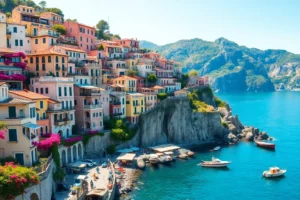
Vernazza is often considered the most picturesque village, featuring a natural harbor surrounded by colorful buildings and a historic castle. It is ideal for photography and evening aperitivos. The narrow main street leads from the train station down to the water, lined with shops and cafes.
Relax on Monterosso’s Beaches
Monterosso al Mare boasts the largest sandy beaches in the region, divided into old and new town sections. It is the best village for swimming and sunbathing. Private lidos offer chair rentals, while public sections are available free of charge. This area suits families and travelers seeking a beach-focused holiday.
Visit Corniglia’s Lardarina
Corniglia is the only village not directly accessible by sea, perched high on a cliff. Visitors must climb the Lardarina, a long brick staircase of over 300 steps, or take a shuttle bus from the train station. The lack of boat traffic creates a quieter atmosphere, and the terrace at Santa Maria offers panoramic views.
Watch the Sunset in Manarola
Manarola is famous for its dramatic skyline of stacked houses clinging to the rock. The path leading to the cemetery provides a classic vantage point for sunset photography. During the holiday season, the village displays elaborate nativity scene lightings known as Presepe.
Stroll Through Riomaggiore’s Via Colombo
Riomaggiore is the first village encountered from La Spezia, known for its steep main street, Via Colombo, lined with tall, narrow towers. The harbor area is lively in the evenings. The nearby Castle of Riomaggiore offers historical context and views over the valley.
Take a Boat Tour
Guided boat tours depart from various points along the coast, offering access to hidden coves and grottos unreachable by land. These tours provide a unique perspective of the terraced agriculture and the scale of the cliffs. Options range from small group kayaking trips to larger motorized vessels.
Taste Local Wine
The region is renowned for its steep vineyards producing unique wines. Visit local enotecas to sample Sciacchetrà, a sweet dessert wine, or dry whites made from Bosco and Albarola grapes. Wine tasting experiences often include explanations of the traditional cultivation methods.
Where to Eat
Ligurian cuisine in Cinque Terre emphasizes fresh seafood, herbs, and simple preparations. Pesto alla Genovese is a staple, traditionally served with trofie or trenette pasta. Focaccia is commonly eaten for breakfast or as a snack, often plain or topped with onions. Seafood dishes include anchovies from Monterosso, mussels, and mixed fried fish known as fritto misto.
Dining customs typically involve a lighter lunch and a later dinner, often starting after 7:30 PM. Many establishments offer fixed-price tourist menus, but seeking out smaller osterie away from the main harbor squares often yields better quality and value. Reservations are highly recommended during peak season. Wine pairing is essential, with local white wines complementing seafood dishes. Vegetarian options are widely available due to the prominence of vegetable-based sides and pasta dishes.
Where to Stay
Choosing a base depends on travel style. Monterosso is best for families and beach lovers, offering flat terrain and hotel options. Vernazza and Manarola suit couples and photographers seeking iconic views and romantic atmospheres, though accommodation is often in smaller guesthouses. Corniglia is ideal for hikers and those preferring quiet nights without harbor noise. Riomaggiore offers a central location relative to La Spezia and vibrant evening energy.
For travelers with a car or those seeking lower prices, staying in La Spezia or Levanto is practical. These towns offer wider accommodation selections, better parking, and frequent train connections to the villages. Budget travelers might consider hostels or rooms in hillside hamlets above the villages, accessible by local bus. Luxury seekers should look for boutique hotels with terraces overlooking the sea, booking well in advance due to limited inventory.
Suggested Itinerary
2-Day Highlights
Day 1: Arrive in La Spezia and transfer to Monterosso. Spend the morning hiking the trail to Vernazza. Enjoy lunch in Vernazza’s harbor. Take the train to Corniglia for afternoon views. Return to Monterosso for dinner and beach time.
Day 2: Start early in Manarola for sunrise photos. Walk the trail to Riomaggiore. Spend the afternoon exploring Riomaggiore’s streets and harbor. Take a late afternoon boat tour if available. Depart from La Spezia in the evening.
4-Day Relaxed Stay
Day 1: Settle into accommodation. Explore the local village thoroughly. Enjoy a leisurely dinner and evening stroll.
Day 2: Hike a major section of the Sentiero Azzurro. Pack a picnic. Spend the afternoon swimming at Monterosso beaches.
Day 3: Take a boat tour along the coast. Visit a local winery for tasting. Enjoy a seafood-focused dinner.
Day 4: Visit remaining villages not yet explored. Shop for local souvenirs like olive oil or wine. Depart after lunch.
Local Etiquette & Practical Tips
Dress codes are relaxed during the day but modest attire is required when entering churches, covering shoulders and knees. Greetings are important; saying “Buongiorno” upon entering shops and “Buonasera” in the evening is customary. Tipping is not mandatory as a service charge is often included, but leaving small change for good service is appreciated.
Cash is still preferred in smaller establishments, though cards are widely accepted in tourist areas. Carry small denominations. Be mindful of noise levels in residential areas at night, as walls are thin in historic buildings. Respect hiking trail markers and do not venture off-path due to landslide risks. Public restrooms are limited and often require a small fee; plan accordingly. Wi-Fi is available in most cafes and accommodations but may be slow in remote trail areas.
Day Trips from Cinque Terre
Portofino
This glamorous peninsula offers luxury shopping and a picturesque harbor. Accessible by train to Santa Margherita Ligure followed by a bus or boat. Best as a full-day trip to enjoy the coastal walk and marina atmosphere.
La Spezia
The regional capital features the Naval Technical Museum and a lively waterfront promenade. It is only a 10-minute train ride away, making it suitable for an evening visit or a rainy day alternative.
Lerici
Known for its castle and quieter beaches, Lerici is reachable by boat or bus. It offers a more residential Italian seaside experience. Ideal for a half-day excursion focused on relaxation.
Pisa
The historic city with the Leaning Tower is approximately one hour away by train. Suitable for a full-day cultural trip to see the Piazza dei Miracoli and explore the university town.
Genoa
The large port city offers aquariums, palaces, and historic centers. About 1.5 hours by train. Best for travelers interested in urban culture and museums rather than coastal scenery.
FAQ
Is Cinque Terre worth visiting?
Yes, for travelers seeking dramatic coastal scenery, hiking, and authentic Italian village culture, though it can be crowded in peak summer.
How many days do you need in Cinque Terre?
Two days allows for a highlights tour, while four days permits a relaxed pace with hiking and boat tours.
Is Cinque Terre walkable?
The villages are pedestrian-friendly but involve steep stairs and uneven terrain; trains connect the villages for longer distances.
Leave a Reply