
Short Answer
What It Is
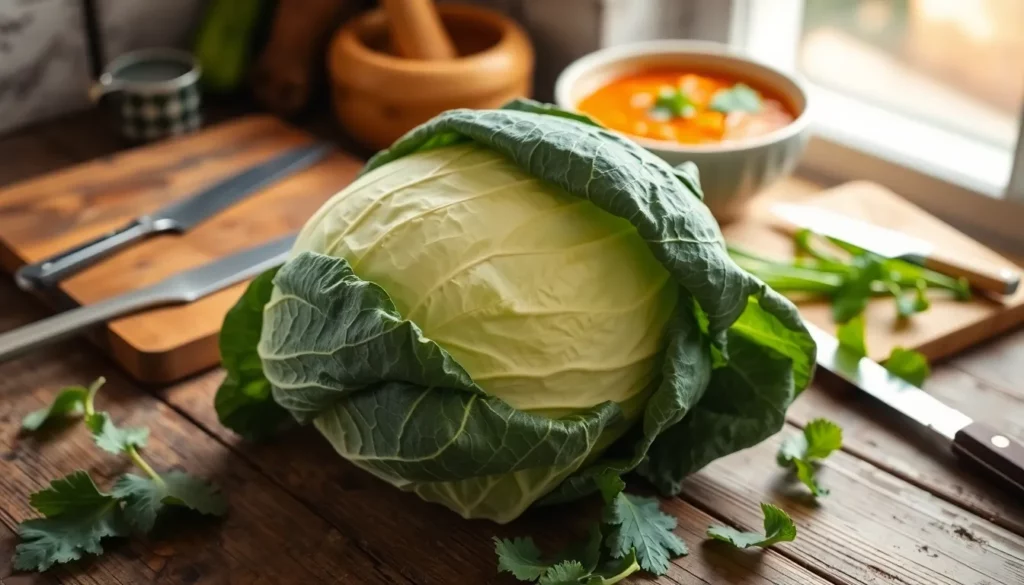
Verza, known in English as Savoy cabbage, is a distinctive leafy vegetable that has been cultivated in Italy for centuries. Its crinkled, dark green leaves and mild, slightly sweet flavor set it apart from other cabbages. The term VERZA specifically refers to the Italian varieties that have earned Protected Geographical Indication (PGI) status, most notably the Cavolo Verza di Montalto delle Marche PGI, which is grown in the Marche region of central Italy. The production method involves traditional farming practices: seeds are sown in late summer, and the heads are harvested from autumn through winter, often after the first frost, which enhances their sweetness. The region’s microclimate—cool winters, well-drained soils, and proximity to the Adriatic Sea—contributes to the cabbage’s tender texture and delicate flavor. While Verza is also cultivated in Piedmont (e.g., Verza di Caprauna) and other northern areas, the PGI designation ensures that only cabbages grown within the defined geographical area and following strict production rules can bear the official label. Historically, Verza was a staple of peasant cuisine, valued for its hardiness and ability to be stored through the cold months. Today, it remains a beloved ingredient in Italian kitchens, celebrated for its versatility and nutritional profile.
Types & Grades
Verza is categorized by variety, harvest time, and quality. The table below outlines the main types and their characteristics.
| Type | Characteristics | Best Use |
|---|---|---|
| Verza di Montalto (PGI) | Large, compact head; crinkled dark green leaves; sweet, tender flavor | Stuffed cabbage rolls, braised dishes, raw in salads |
| Verza di Caprauna | Smaller, looser head; more delicate leaves; slightly nutty taste | Light steaming, quick sautés, soups |
| Early Verza (Verza tenera) | Harvested in early autumn; leaves are thinner and more tender | Raw salads, minimal cooking |
| Late Verza (Verza da serbo) | Harvested after frost; thicker leaves, longer storage life | Long-cooked stews, minestrone, preserving |
Grades are determined by head firmness, leaf integrity, and absence of blemishes. Premium Verza should feel heavy for its size, with crisp, unwilted leaves. The PGI classification guarantees a minimum standard of quality and origin.
How It’s Used in Cooking
Verza is a cornerstone of Italian winter cooking. Its leaves are pliable enough to be blanched and used as wrappers for fillings, yet sturdy enough to hold up in long-simmered soups. Traditional applications include:
- Verza ripiena – Stuffed cabbage rolls filled with a mixture of ground meat, rice, herbs, and sometimes cheese, then simmered in tomato sauce or broth.
- Minestrone alla genovese – A hearty vegetable soup that often features Verza alongside beans, potatoes, and pesto.
- Verza stufata – Braised Verza with pancetta, garlic, and white wine, cooked until meltingly tender.
- Risotto con verza – A creamy risotto where shredded Verza is added near the end of cooking for texture and color.
- Insalata di verza – Thinly sliced raw Verza dressed with lemon, olive oil, and salt, often paired with apples or walnuts.
“La verza è la regina dell’inverno” – “Verza is the queen of winter,” a traditional Italian saying that reflects its central role in cold-weather cuisine.
Chefs prize Verza for its ability to absorb flavors without becoming mushy. It pairs well with pork, sausages, beans, and aged cheeses like Parmigiano-Reggiano. In professional kitchens, it is often used as a low-carb alternative to pasta sheets for lasagna or as a wrap for delicate fillings.
How to Choose/Identify Authentic VERZA
When shopping for authentic Verza, look for these cues:
- PGI label – For guaranteed origin, seek the Cavolo Verza di Montalto delle Marche PGI seal. This ensures the cabbage was grown in the designated area and meets quality standards.
- Appearance – The head should be firm and compact, with crinkled, dark green outer leaves. Avoid any with yellowing, wilting, or brown spots.
- Weight – A heavy head indicates freshness and moisture content. Lightness may mean the cabbage is drying out.
- Season – Verza is at its peak from October to March. Out-of-season cabbages may be imported or less flavorful.
- Leaf texture – The leaves should be crisp and slightly waxy. If they feel limp, the cabbage is past its prime.
For online purchases, verify the seller’s sourcing and look for product descriptions that mention the specific variety and region. Authentic Verza is often sold with a few outer leaves intact to protect the head.
Substitutes
While Verza has a unique texture and flavor, several Italian substitutes can be used in a pinch:
- Cavolo cappuccio (white cabbage) – More compact and less crinkly, with a sharper taste. Best for long-cooked dishes where the cabbage will soften, but not ideal for raw salads or delicate wraps.
- Cavolo nero (Tuscan kale) – Dark, flat leaves with a robust, earthy flavor. Excellent in soups and stews, but too tough for stuffing without extensive blanching.
- Cavolo verza (other varieties) – Non-PGI Savoy cabbages from other regions can be used, though they may lack the sweetness of the PGI product.
- Puntarelle – A chicory with a bitter, crunchy texture; not a direct substitute but can be used in salads for a different profile.
For stuffed cabbage rolls, the best substitute is another Savoy cabbage (non-PGI) because its leaves are similarly pliable. For soups, cavolo nero adds a deeper flavor. Avoid using red cabbage, as its color and taste will alter the dish significantly.
In conclusion, Verza is a versatile and historically rich ingredient that embodies the essence of Italian winter cooking. Whether you are making classic stuffed rolls or a comforting minestrone, choosing authentic Verza—preferably with PGI certification—ensures the best flavor and texture. Its mild sweetness and tender leaves make it a favorite among chefs and home cooks alike, and understanding its types, uses, and substitutes allows you to cook with confidence.
FAQ
What is Verza?
Verza is the Italian name for Savoy cabbage, a leafy vegetable with crinkled dark green leaves and a mild, sweet flavor. It is especially prized in Italian cuisine for its tender texture and versatility in dishes like stuffed cabbage rolls and minestrone. Some varieties, such as Cavolo Verza di Montalto delle Marche, have PGI certification.
How is Verza different from regular cabbage?
Verza (Savoy cabbage) has crinkled, more tender leaves compared to the smooth, dense leaves of common green or white cabbage. Its flavor is milder and sweeter, and it cooks more quickly. The leaves are also more pliable, making them ideal for stuffing and wrapping.
Can I substitute Verza with other cabbage?
Yes, but the best substitute is another Savoy cabbage (non-PGI) for similar texture. For soups, cavolo nero (Tuscan kale) works well. White cabbage can be used in cooked dishes but has a sharper flavor and firmer leaves. Avoid red cabbage as it will alter the color and taste.
Leave a Reply