
Short Answer
What It Is
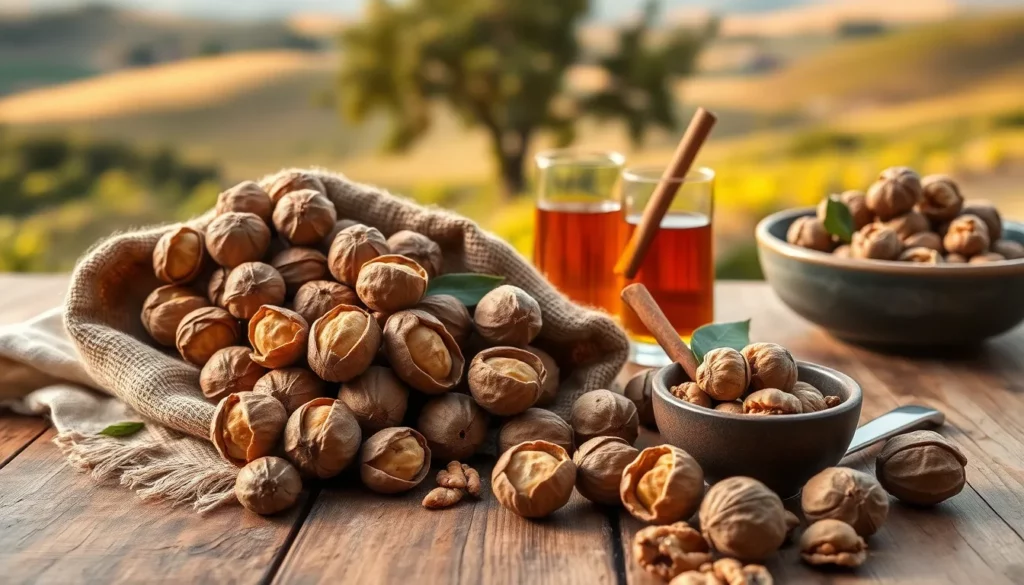
NOCI, the Italian term for walnuts, refers to the edible seeds of the Juglans regia tree, a species that has been cultivated in Italy since Roman times. The word itself is deeply embedded in Italian culinary tradition, representing not just a nut but a cornerstone of regional cooking. Italian walnuts are prized for their delicate, buttery flavor and high oil content, which sets them apart from walnuts grown in other parts of the world.
The production of NOCI in Italy is concentrated in specific regions known for their ideal microclimates. The most famous protected designations are Noci di Sorrento PGI (Protected Geographical Indication) and Noci del Trentino PGI. These certifications guarantee that the walnuts are produced, processed, and prepared within the defined geographical area, adhering to strict quality standards. The Noci di Sorrento, grown on the Sorrento Peninsula in Campania, are known for their thin shell, high kernel yield, and sweet, aromatic flavor. Noci del Trentino, from the alpine valleys of Trentino, are slightly smaller but have a rich, intense taste due to the cooler climate and longer ripening period.
The cultivation process involves careful orchard management, with trees typically bearing fruit after 5–7 years. Harvesting occurs in late September to October, when the green husks begin to split. The nuts are then dried naturally or in low-temperature driers to reduce moisture content to around 8–10%, which preserves their quality and prevents rancidity. The DOP/PGI statuses are regulated by the Italian Ministry of Agricultural Policies (MIPAAF) and the European Union, ensuring traceability and authenticity.
Types & Grades
Italian walnuts are classified by form, size, and quality. The following table outlines the primary types and grades available in the market:
| Type | Description | Common Uses |
|---|---|---|
| In-Shell Walnuts | Whole walnuts with intact shell; often sold by weight. Shells should be clean, without cracks or mold. | Snacking, cracking fresh, decorative use |
| Shelled Walnuts (Halves) | Kernels separated into two halves; premium grade for visual appeal. | Plating, salads, baking, gift baskets |
| Shelled Walnuts (Pieces) | Broken kernels of various sizes; more economical. | Baking, pesto, grinding into sauces |
| Green Walnuts | Unripe walnuts harvested in June/July, used for making nocino liqueur. | Nocino, preserves |
Grades are determined by size and defect tolerance. For example, Extra Large (caliber 30+ mm), Large (28–30 mm), Medium (26–28 mm), and Small (24–26 mm). Premium grades like “Extra” or “Fancy” indicate minimal blemishes and uniform color. DOP/PGI walnuts often have their own grading systems, with “Superiore” being the top tier.
How It’s Used in Cooking
NOCI are incredibly versatile in Italian cuisine, appearing in both savory and sweet preparations. Their rich, oily texture makes them ideal for sauces, pastes, and crusts.
Traditional Savory Dishes
- Pesto di Noci – A Ligurian sauce made with walnuts, garlic, basil, Parmigiano-Reggiano, and olive oil. It is traditionally served with trofie or pansotti pasta.
- Insalata di Noci e Gorgonzola – A simple salad of mixed greens, walnuts, gorgonzola cheese, and a balsamic vinaigrette.
- Walnut Crusted Fish or Chicken – Crushed walnuts mixed with breadcrumbs and herbs form a flavorful crust.
- Risotto con Noci – A creamy risotto enriched with toasted walnuts and often paired with gorgonzola or radicchio.
Traditional Sweet Dishes
- Torta di Noci – A dense, moist walnut cake from the Piedmont region, often made with honey and served with zabaglione.
- Biscotti di Noci – Crunchy cookies studded with walnuts, perfect for dipping in Vin Santo.
- Nocino – A traditional walnut liqueur made from green walnuts, alcohol, sugar, and spices like cinnamon and cloves. It is aged for at least a year.
“In every Italian kitchen, a bowl of NOCI is a promise of flavor—whether cracked open for a snack or ground into a sauce that speaks of the land.” – Traditional saying from the Sorrento Peninsula
How to Choose/Identify Authentic NOCI
When purchasing NOCI, especially if seeking DOP/PGI quality, follow these guidelines:
- Look for the PGI/DOP seal – On the packaging, the European Union’s PGI or DOP logo guarantees origin and production standards. For Noci di Sorrento PGI, the label will include the consortium’s mark.
- Check the shell – In-shell walnuts should be heavy for their size, with a clean, unblemished shell. Shake the nut; if it rattles, the kernel has shrunk and may be old or dried out.
- Inspect the kernel – Shelled walnuts should be plump, light in color (pale tan to golden), and free from dark spots or shriveling. Avoid kernels that appear oily or have a rancid smell.
- Buy from reputable sources – Specialty Italian grocers, farmers’ markets, or online retailers that provide detailed origin information. Avoid bulk bins where walnuts may have been exposed to air and light for long periods.
- Check the harvest year – Freshness is key. Walnuts are typically harvested in autumn; look for a harvest date within the past year.
Substitutes
While NOCI have a unique flavor and texture, certain substitutes can be used in Italian recipes when walnuts are unavailable or for dietary reasons:
- Pine Nuts (Pinoli) – In pesto, pine nuts are the traditional alternative, though they are more expensive and have a milder, resinous flavor. For a walnut-free pesto, use pine nuts or a blend of almonds and pine nuts.
- Almonds – Toasted almonds can replace walnuts in salads, crusts, and baked goods. They provide a crunch but lack the same buttery richness.
- Pecans – Pecans have a similar oil content and sweetness, making them a good substitute in desserts like torta di noci. However, they are not traditional in Italian cuisine.
- Hazelnuts – In Piedmontese cooking, hazelnuts are often used alongside or instead of walnuts. They work well in cakes and cookies.
For nocino liqueur, there is no substitute for green walnuts, as the unique tannins and aromas are essential.
Conclusion
NOCI are far more than a simple nut; they are a testament to Italy’s rich agricultural heritage and culinary ingenuity. From the sun-drenched hills of Sorrento to the alpine valleys of Trentino, these walnuts carry the flavor of their terroir. Whether you are making a classic pesto, a festive torta, or a bottle of nocino to age, choosing authentic, high-quality NOCI ensures the best results. By understanding the types, grades, and authenticity cues, you can bring a true taste of Italy into your kitchen.
FAQ
What does NOCI mean in Italian?
NOCI is the Italian word for walnuts. It refers to the edible seeds of the Juglans regia tree, which are widely used in Italian cooking.
Are all Italian walnuts DOP or PGI certified?
No, only specific varieties like Noci di Sorrento PGI and Noci del Trentino PGI have protected status. Many other Italian walnuts are of high quality but not certified.
Can I use regular walnuts instead of Italian NOCI in recipes?
Yes, but the flavor and texture may differ. Italian NOCI, especially DOP/PGI varieties, have a distinct sweetness and oiliness. For authentic Italian dishes, sourcing Italian walnuts is recommended.


Leave a Reply