
Short Answer
What It Is
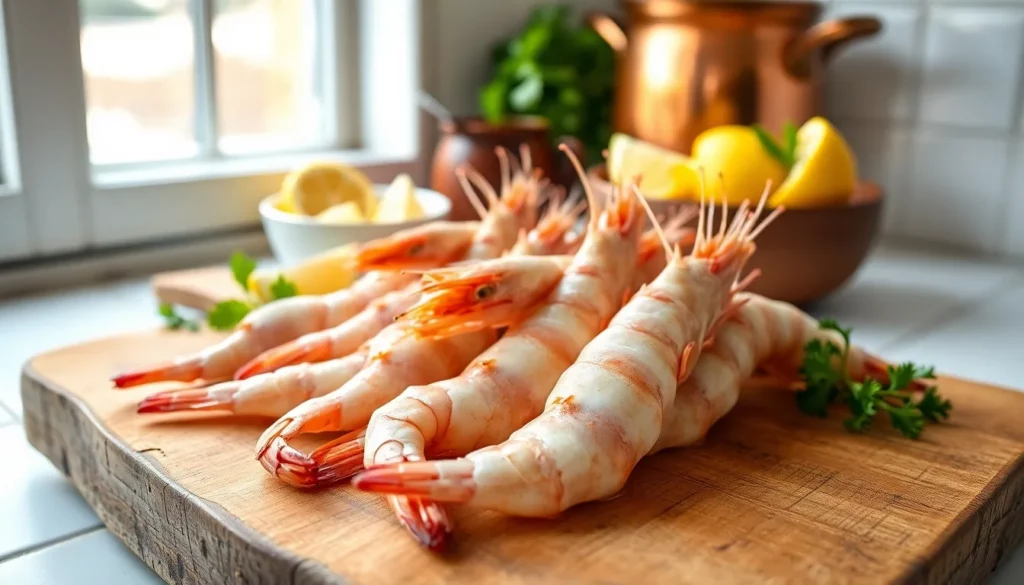
Gamberetti (pronounced gahm-beh-RET-tee) is the Italian term for small shrimp, typically referring to species harvested in the Mediterranean and Adriatic Seas. Unlike larger gamberi (prawns), gamberetti are prized for their delicate sweetness, tender texture, and concentrated briny flavor. The most renowned Italian gamberetti come from the coastal town of San Benedetto del Tronto in the Marche region, where they have been awarded the Indicazione Geografica Protetta (IGP) status as Gamberetti di San Benedetto del Tronto IGP. This certification guarantees that the shrimp are caught, processed, and packed within a defined geographical area using traditional methods that preserve their quality.
The history of gamberetti fishing in Italy dates back centuries, with small-scale artisanal fleets using tartane (traditional fishing boats) and reti a strascico (trawl nets) during specific seasons. The IGP designation, granted in 2015, protects the unique organoleptic properties of these shrimp, which are influenced by the sandy seabeds and nutrient-rich waters of the central Adriatic. Gamberetti are typically caught between May and October, when they are at their peak in size and flavor.
Types & Grades
Italian gamberetti are classified by species, size, and origin. The table below outlines the primary types available in the Italian market, from the IGP-certified product to other regional varieties.
| Type | Species | Size (per kg) | Origin | Certification |
|---|---|---|---|---|
| Gamberetti di San Benedetto IGP | Parapenaeus longirostris (deep-water rose shrimp) | 80–120 | Adriatic Sea (Marche) | IGP |
| Gamberetti di Mazara | Parapenaeus longirostris | 60–100 | Strait of Sicily | None (often sold as gambero rosso) |
| Gamberetti di Chioggia | Crangon crangon (brown shrimp) | 100–150 | Northern Adriatic (Veneto) | None |
| Gamberetti di Fiume (river shrimp) | Palaemonetes varians | 150–200 | Freshwater lagoons (e.g., Comacchio) | None |
Grades are determined by size and freshness. The highest grade, extra, consists of shrimp that are whole, with heads attached, and a firm, translucent flesh. Second-grade gamberetti may have slight discoloration or missing appendages and are often used in sauces or broths. Frozen gamberetti are graded as surgelati and must be labeled with catch date and origin.
How It’s Used in Cooking
Gamberetti are a cornerstone of Italian coastal cuisine, valued for their ability to absorb flavors while contributing a subtle marine essence. Their small size makes them ideal for quick-cooking methods that preserve tenderness.
Traditional Dishes
- Brodetto di Gamberetti – A light fish stew from the Marche region, where gamberetti are simmered with tomatoes, garlic, white wine, and a pinch of peperoncino. Served with toasted crostini.
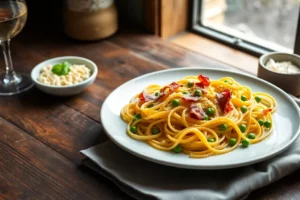
- Spaghetti ai Gamberetti – A classic pasta dish where the shrimp are sautéed in olive oil with garlic and parsley, then tossed with al dente spaghetti and a splash of lemon juice. No cream is used; the sauce is emulsified with pasta water.
- Insalata di Gamberetti – A cold salad featuring boiled or steamed gamberetti, mixed with celery, lemon zest, and a light mayonnaise or vinaigrette. Often served as an antipasto.
- Frittura di Gamberetti – Small shrimp are lightly dusted in flour and deep-fried until golden, served with lemon wedges. A specialty of seaside friggitorie.
“Il gamberetto è il sale del mare in miniatura” – Traditional saying from San Benedetto del Tronto, meaning “The shrimp is the salt of the sea in miniature.”
Professional chefs often use gamberetti to make bisque or fumet, roasting the shells to extract maximum flavor. The heads, when available, are prized for their rich tomalley, which can be used to fortify sauces.
How to Choose/Identify Authentic Gamberetti
For commercial buyers and home cooks alike, identifying authentic Italian gamberetti requires attention to several cues:
- Look for the IGP label – Authentic Gamberetti di San Benedetto del Tronto IGP will bear the official EU PGI logo and a lot number traceable to the consortium. The packaging must state “Gamberetti di San Benedetto del Tronto IGP” and the producer’s name.
- Check the species – True Italian gamberetti are Parapenaeus longirostris (deep-water rose shrimp) or Crangon crangon (brown shrimp). Avoid products labeled simply “gamberetti” without origin, which may be imported from North Africa or Asia.
- Examine appearance – Fresh gamberetti have a translucent, pinkish-gray shell with no black spots. The flesh should be firm and spring back when pressed. Avoid any with a strong ammonia smell.
- Assess size consistency – IGP gamberetti are graded by count per kilogram; a uniform size indicates careful sorting. Mixed sizes suggest lower quality.
- Verify the catch method – Sustainable gamberetti are caught with tartane or rapido nets that minimize seabed damage. Look for MSC or Friend of the Sea certification on packaging.
When buying frozen, choose individually quick-frozen (IQF) shrimp with a glazing of ice less than 10% of the net weight. Thaw slowly in the refrigerator for best texture.
Substitutes
If authentic Italian gamberetti are unavailable, several Italian substitutes can be used depending on the dish:
- Gambero Rosso di Mazara DOP – Larger red shrimp from Sicily, with a more intense flavor. Use in pasta or stews, but reduce cooking time as they are bigger. Not ideal for salads where small size is needed.
- Gambero di Sanremo IGP – A medium-sized shrimp from Liguria, with a delicate sweetness. Good substitute for gamberetti in frittura or insalata, though slightly larger.
- Scampi (Nephrops norvegicus) – Also known as Dublin Bay prawn, scampi have a lobster-like texture. They can replace gamberetti in bisques or brodetto, but their flavor is more robust and less sweet.
- Mazzancolle (Penaeus kerathurus) – Large Mediterranean prawns, often used in grilling. Not a direct substitute for small gamberetti, but can be chopped for sauces.
For non-Italian alternatives, small wild-caught Gulf shrimp or Pacific pink shrimp can work, but they lack the specific terroir of the Adriatic. Always choose wild over farmed for flavor.
Conclusion
Gamberetti represent a quintessential ingredient of Italian seafood tradition, with the IGP-certified Gamberetti di San Benedetto del Tronto standing as the gold standard. Their delicate flavor and versatility make them indispensable in dishes from simple pastas to elegant stews. By understanding the types, grades, and authenticity markers, chefs and home cooks can select the finest gamberetti and honor the centuries-old fishing heritage of Italy’s Adriatic coast.
FAQ
What is the difference between gamberetti and gamberi?
In Italian, 'gamberetti' refers to small shrimp (typically 80–150 per kg), while 'gamberi' are larger prawns or shrimp. Gamberetti are more delicate and often used whole in pasta or salads, whereas gamberi are often grilled or served as a main course.
Are all gamberetti from Italy IGP certified?
No. Only those specifically labeled 'Gamberetti di San Benedetto del Tronto IGP' are certified. Other Italian gamberetti from regions like Chioggia or Mazara may not have IGP status but are still authentic. Always check the label for origin and certification.
Can I substitute frozen gamberetti for fresh in recipes?
Yes, but choose individually quick-frozen (IQF) shrimp and thaw them slowly in the refrigerator. Frozen gamberetti are often caught and frozen at sea, preserving quality. Avoid thawed shrimp that have been refrozen, as texture suffers.
How do I clean fresh gamberetti?
Rinse under cold water. To devein, use a small knife to make a shallow cut along the back and remove the dark vein. For most dishes, the shell and head can be left on for flavor, but remove them if desired. The heads are especially flavorful for stocks.



Leave a Reply