
Short Answer
What It Is
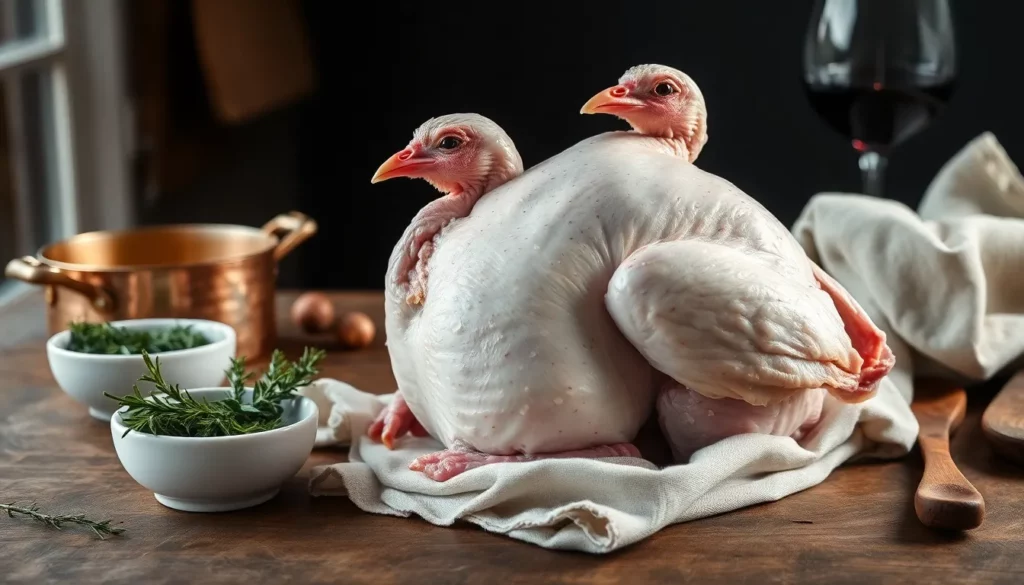
Faraona (Numida meleagris) is the Italian term for guinea fowl, a game bird native to Africa but domesticated in Italy since Roman times. The bird is prized for its lean, flavorful meat, which is darker and more intense than chicken, with a subtle gamey note. In Italy, faraona is primarily farmed in regions such as Tuscany, Umbria, Piedmont, and Lombardy, where it is often raised in free-range or semi-wild conditions. While no specific DOP (Denominazione di Origine Protetta) exists for faraona, several traditional products are recognized under the PAT (Prodotto Agroalimentare Tradizionale) scheme, including Faraona di Morozzo from Piedmont and Faraona della Maremma from Tuscany. These designations guarantee that the birds are raised according to local customs, fed a natural diet, and processed with traditional methods.
The production method typically involves rearing the birds for 10–14 weeks (for young faraona) or up to 20 weeks for older specimens. They are fed a diet of grains, greens, and sometimes insects, which contributes to the meat’s distinctive flavor. The birds are usually slaughtered, plucked, and hung for a short period to enhance tenderness. In some artisanal farms, the birds are cooked whole in a clay crust (faraona alla creta), a technique that seals in moisture and imparts an earthy aroma.
Types & Grades
Faraona is classified primarily by age and rearing method. The table below outlines the main categories:
| Type | Age | Weight | Flavor Profile | Best Use |
|---|---|---|---|---|
| Faraona Giovane (Young) | 10–14 weeks | 0.8–1.2 kg | Mild, tender, slightly gamey | Roasting, grilling, sautéing |
| Faraona Vecchia (Mature) | 16–20 weeks | 1.2–1.8 kg | Stronger game flavor, firmer texture | Braising, stewing, in salmì |
| Faraona di Morozzo (PAT) | 12–16 weeks | 1.0–1.5 kg | Rich, aromatic, with herbaceous notes | Traditional Piedmontese recipes |
| Faraona della Maremma (PAT) | 14–18 weeks | 1.2–1.6 kg | Intense, with hints of wild herbs | Roasted with myrtle or juniper |
Additionally, faraona can be classified by rearing method: free-range (allevata all’aperto) yields firmer, more flavorful meat, while barn-raised (allevata in capannone) is milder and more tender. Some producers also offer organic faraona, which must meet EU organic standards.
How It’s Used in Cooking
Faraona is a versatile ingredient in Italian cuisine, appearing in both rustic and refined dishes. Its lean meat benefits from slow cooking or marinating to prevent dryness. Traditional preparations include:
- Faraona alla creta – The bird is wrapped in a clay crust and baked, then cracked open at the table. The clay seals in juices and infuses a subtle earthy flavor.
- Faraona al forno con olive – Roasted with black olives, rosemary, and white wine, a classic Tuscan dish.
- Faraona in salmì – Braised in a rich sauce of red wine, pancetta, and aromatic herbs, often served with polenta.
- Faraona ripiena – Stuffed with chestnuts, sausage, or truffles, then roasted.
- Faraona alla cacciatora – Hunter-style, cooked with tomatoes, mushrooms, and herbs.
In professional kitchens, faraona is often used for secondi piatti (main courses) and can be paired with bold flavors like porcini mushrooms, truffles, or aged balsamic vinegar. The legs and wings are sometimes confit, while the breast is pan-seared and served with a reduction sauce.
How to Choose/Identify Authentic FARAONA
When selecting faraona, look for the following authenticity cues:
- Labeling: Check for PAT designations (e.g., Faraona di Morozzo) or indications of free-range rearing. Avoid vague terms like “farm-raised” without specifics.
- Appearance: Fresh faraona should have a plump breast, smooth skin (white or speckled, depending on breed), and no discoloration. The skin should be dry, not slimy.
- Smell: A mild, slightly gamey aroma is normal; any off-putting or ammonia-like odor indicates spoilage.
- Texture: The meat should be firm to the touch, with a slight springiness. Avoid birds that feel mushy or have broken bones.
- Source: Purchase from reputable Italian butchers or specialty markets that can trace the bird to a specific farm or region. Online retailers offering Italian imports often provide provenance details.
- Seasonality: While farmed faraona is available year-round, the best quality is often found in autumn and winter when the birds are at their peak.
“La faraona è un volatile che richiede rispetto: va cotta lentamente, con pazienza, per esaltare la sua carne scura e saporita.” – Traditional Tuscan saying
Substitutes
If faraona is unavailable, several Italian substitutes can be used, depending on the dish:
- Fagiano (Pheasant) – Similar gamey flavor and lean texture; ideal for in salmì or roasting. Pheasant is slightly drier, so barding or marinating is recommended.
- Pernice (Partridge) – Smaller and more delicate, suitable for quick roasting or grilling. Use two partridges to replace one faraona.
- Pollo (Chicken) – A milder alternative; choose a free-range or organic chicken for better flavor. Works well in alla cacciatora or al forno recipes.
- Cappone (Capon) – A castrated rooster with tender, juicy meat; excellent for roasting or stuffing, though less gamey than faraona.
- Anatra (Duck) – For richer dishes, duck can substitute, especially in braised preparations. Adjust cooking times as duck has more fat.
When substituting, consider the cooking method: for slow braises, pheasant or capon work best; for quick searing, partridge or chicken are suitable.
Conclusion
Faraona is a cornerstone of Italian game cookery, offering a unique balance of flavor and leanness. Whether you choose a young bird for a delicate roast or a mature one for a hearty stew, understanding its grades, regional variations, and proper cooking techniques ensures a memorable dish. By seeking authentic PAT-labeled products and following traditional recipes, you can bring a taste of Italy’s countryside to your table.
FAQ
What is the difference between faraona and chicken?
Faraona (guinea fowl) has darker, leaner meat with a more pronounced gamey flavor compared to chicken. It also has a higher protein-to-fat ratio and requires careful cooking to avoid dryness.
Is faraona available year-round?
Yes, farmed faraona is available year-round, but the best quality is typically found in autumn and winter when the birds are at their peak. Wild faraona is seasonal and less common.
How should I store fresh faraona?
Fresh faraona should be stored in the coldest part of the refrigerator (0–4°C) and cooked within 2–3 days. It can also be frozen for up to 6 months; thaw in the refrigerator before cooking.

Leave a Reply