
Short Answer
What It Is
Confettura is the Italian designation for fruit preserves, a category distinct from marmellata (which in Italian law refers exclusively to citrus preserves). The term is protected by European Union Directive 2001/113/EC, which sets minimum fruit content and production standards. In Italy, confettura must contain at least 35% fruit pulp or purée (45% for confettura extra), with sugar as the primary sweetener. Pectin, citric acid, and natural flavorings are permitted, but artificial additives are strictly limited.
The tradition of preserving fruit in sugar dates to ancient Rome, but modern confettura production was refined in the medieval monasteries of Southern Italy, particularly in Sicily and Campania. Today, several regional varieties have earned Protected Geographical Indication (PGI) status, such as Confettura di Frutta della Calabria and Confettura di Fichi di Carmignano. These certifications guarantee that at least one stage of production (harvesting, processing, or packaging) occurs in the designated area.
Types & Grades
Italian confettura is classified by fruit content, texture, and regional tradition. The table below outlines the main grades recognized by Italian law and common commercial categories.
| Grade | Minimum Fruit Content | Characteristics | Common Uses |
|---|---|---|---|
| Confettura Extra | 45% (50% for certain berries) | Whole or large pieces of fruit; low sugar; intense flavor | Artisanal spreads, cheese pairings, pastry filling |
| Confettura | 35% | Smooth or with small fruit pieces; balanced sweetness | Breakfast toast, baking, dessert sauces |
| Marmellata | 20% citrus fruit | Made exclusively from citrus (oranges, lemons, etc.) | Traditional English-style breakfast, Sicilian cannoli filling |
| Mostarda | Varies (fruit + mustard oil) | Spicy-sweet preserve with whole fruits in syrup | Accompaniment to boiled meats, cheese boards |
Beyond these legal categories, Italian producers often create single-variety confetture (e.g., Confettura di Fragole – strawberry) or blends with herbs, wine, or spices. Aging is not typical for confettura, but some artisanal versions are matured in copper pots for deeper flavor.
How It’s Used in Cooking
Confettura is a versatile ingredient in Italian cuisine, bridging sweet and savory applications. Traditional uses include:
- Breakfast and Snacks: Spread on crusty bread, fette biscottate (rusks), or filled into cornetti (Italian croissants).
- Pastry and Desserts: Used as filling for crostata (jam tart), sfogliatella, cannoli, and pasticciotti. It also enriches gelato and semifreddo.
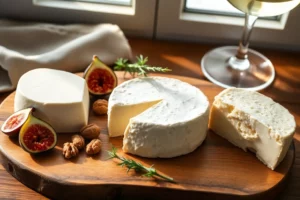
- Cheese Pairings: A classic combination is confettura di fichi with aged Parmigiano-Reggiano or Gorgonzola. The sweetness balances salty and tangy cheeses.
- Savory Dishes: In Northern Italy, mostarda (a spicy confettura) accompanies bollito misto (boiled meats). Fruit confetture are also used to glaze roasted meats or as a base for sauces.
- Beverages: Stirred into prosecco or spritz for a fruity twist, or used to flavor yogurt and ricotta.
“La confettura è la memoria dell’estate in un barattolo.” – Traditional Italian saying (Jam is the memory of summer in a jar.)
How to Choose/Identify Authentic CONFETTURA
For chefs and home cooks seeking genuine Italian confettura, look for these authenticity cues:
- Labeling: Authentic products will state Confettura Extra or Confettura on the front. Check the ingredient list: fruit should be first, sugar second, and no artificial pectin or preservatives. Avoid products labeled “marmalade” if they contain non-citrus fruit.
- Fruit Content: Premium confettura lists the percentage of fruit (e.g., “60% fragole”). The higher the number, the better the quality.
- Origin: Look for PGI or DOP seals (e.g., Confettura di Frutta della Calabria PGI). Even without certification, “Prodotto in Italia” (Made in Italy) is a good sign, but verify the producer’s address.
- Texture and Color: Artisanal confettura often has visible fruit pieces and a vibrant, natural color. Overly glossy or uniformly dark preserves may contain excess pectin or coloring.
- Packaging: Traditional producers use glass jars with airtight lids. Avoid plastic containers, which can affect flavor over time.
Substitutes
When confettura is unavailable, Italian cooks turn to these authentic substitutes:
- Marmellata: Legally only citrus, but widely used as a spread. For non-citrus recipes, choose a high-quality marmellata di arance (orange marmalade) if the flavor profile fits.
- Mostarda: A spicy-sweet preserve ideal for savory dishes. It can replace confettura in cheese boards or meat glazes, but its mustard kick alters the dish.
- Frutta sciroppata (canned fruit in syrup): Drain and chop the fruit, then reduce the syrup to a jam-like consistency. Works for baking but lacks the concentrated flavor of confettura.
- Homemade compote: Simmer fresh or dried fruit with sugar and lemon juice until thick. This is the closest substitute, though texture may be chunkier.
Each substitute changes the final dish, so adjust sweetness and acidity accordingly. For traditional Italian recipes, sourcing authentic confettura is always recommended.
Conclusion
Confettura represents the pinnacle of Italian fruit preservation, balancing tradition, regulation, and culinary artistry. Whether you are a professional chef seeking PGI-certified ingredients or a home cook exploring regional flavors, understanding the grades, uses, and authenticity markers of confettura elevates every dish. From a simple crostata to an elaborate cheese course, this preserve captures the essence of Italian summers in every jar.
FAQ
What is the difference between confettura and marmellata in Italy?
In Italian law, confettura is a fruit preserve made from any fruit except citrus, with a minimum fruit content of 35% (45% for extra). Marmellata is specifically made from citrus fruits (oranges, lemons, etc.) with a minimum of 20% fruit. Outside Italy, the terms are often used interchangeably, but authentic Italian products follow this legal distinction.
How can I tell if a confettura is high quality?
Look for 'Confettura Extra' on the label, which guarantees at least 45% fruit content. Check the ingredient list: fruit should be listed first, followed by sugar, with no artificial pectin or preservatives. A PGI certification (e.g., Confettura di Frutta della Calabria) indicates regional authenticity. The color should be vibrant and natural, and the texture should show visible fruit pieces.
Can confettura be used in savory dishes?
Yes, especially mostarda (a spicy confettura) is traditional with boiled meats and cheese. Sweet confetture like fig or apricot are used to glaze roasted pork or chicken, or as a base for vinaigrettes. The sweetness balances salty and umami flavors, making it a versatile ingredient in Italian savory cooking.

Leave a Reply