
Short Answer
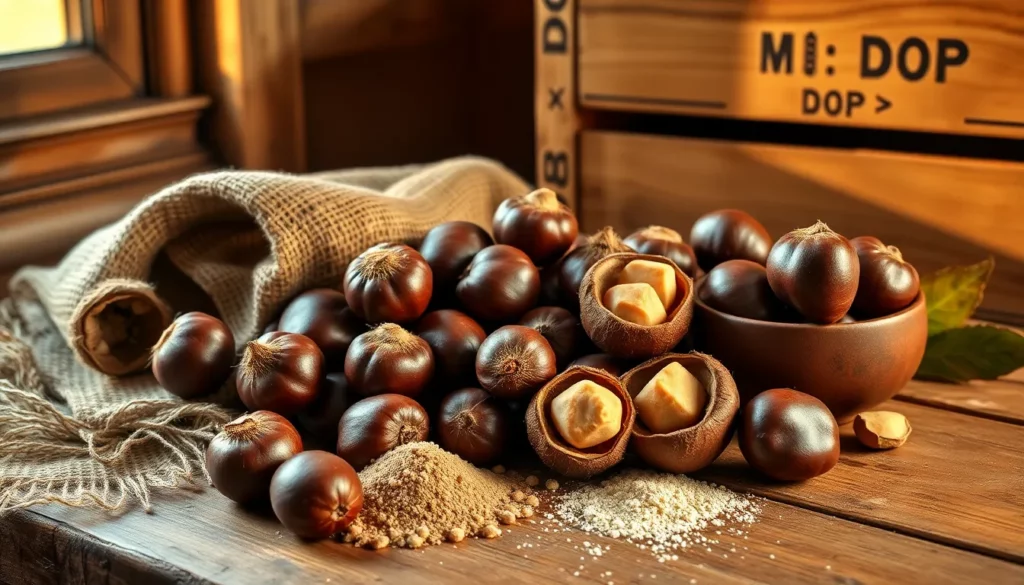
Castagne, the Italian word for chestnuts, represent a cherished ingredient deeply rooted in the culinary and cultural traditions of Italy. Unlike the common horse chestnut (Aesculus hippocastanum), which is inedible, true castagne come from the Castanea sativa tree, a species that has flourished on the Italian peninsula since antiquity. These nuts have sustained rural communities for centuries, providing a reliable source of carbohydrates, fiber, and minerals during the lean winter months. Today, they are celebrated not only as a rustic staple but also as a gourmet product, with several varieties enjoying prestigious DOP (Denominazione di Origine Protetta) status. This article delves into the production methods, regional origins, grades, culinary applications, and authenticity markers of Italian castagne, offering a comprehensive guide for chefs, food enthusiasts, and anyone seeking to understand this remarkable ingredient.
What It Is
Castagne are the edible nuts produced by the European chestnut tree (Castanea sativa), which is native to the Mediterranean region. Italy is one of the world’s leading producers, with chestnut groves concentrated in Tuscany, Campania, Emilia-Romagna, Piedmont, and Lazio. The production method involves traditional orchard management: trees are often grafted to improve fruit quality, and the nuts are harvested in autumn after they fall naturally from the burrs. Post-harvest, chestnuts undergo a curing process called curatura, where they are immersed in cold water for several days to eliminate insects and improve sweetness, then dried in well-ventilated rooms. Several Italian chestnuts have earned DOP or IGP recognition:
- Marrone del Mugello IGP – from Tuscany, known for its large size, bright brown skin, and sweet, floury flesh.
- Marrone di Castel del Rio IGP – from Emilia-Romagna, prized for its intense flavor and easy peeling.
- Marrone di Roccadaspide IGP – from Campania, with a delicate sweetness and fine texture.
- Castagna di Montella IGP – also from Campania, smaller but very aromatic.
These certifications guarantee that the chestnuts are produced, processed, and packaged in specific geographic areas according to strict quality standards, ensuring authenticity and traceability.
Types & Grades
Italian chestnuts are broadly classified into two main categories: marroni and castagne. While both come from the same species, marroni are a selected, superior type with specific characteristics. The table below outlines the key differences and commercial grades.
| Grade | Characteristics | Typical Use |
|---|---|---|
| Marrone (Superior) | Large (≥ 80 nuts/kg), bright brown color, thin pellicle (inner skin) that peels easily, sweet and floury flesh, low astringency. Often DOP/IGP. | Roasting, candied (marrons glacés), premium desserts, eating fresh. |
| Castagna (Standard) | Smaller (≥ 100 nuts/kg), darker brown, thicker pellicle, slightly more astringent, variable sweetness. May be DOP/IGP but less exclusive. | Boiling, soups, stuffing, flour production, roasting for everyday use. |
| Secche (Dried) | Whole chestnuts dried to about 10% moisture. Dark, wrinkled appearance. Rehydrate before use. | Flour milling, long-cooking stews, traditional winter dishes. |
| Farina di Castagne (Flour) | Ground from dried chestnuts. Fine, pale beige powder with sweet, nutty aroma. Gluten-free. | Baking (castagnaccio, pancakes, pasta), thickening sauces. |
Within the marroni category, further grading exists based on size and appearance, often designated as Extra, Prima, and Seconda in commercial trade. The finest marroni are reserved for the luxury marrons glacés market, where they are candied in sugar syrup.
How It’s Used in Cooking
Castagne are incredibly versatile, appearing in both sweet and savory dishes across Italian regional cuisines. Their natural sweetness and mealy texture make them ideal for hearty winter fare.
Traditional Savory Applications
- Roasted chestnuts (caldarroste): A classic street food, scored and roasted over an open fire or in a pan, served hot with a pinch of salt.
- Zuppa di castagne: A rustic soup from Tuscany and Emilia-Romagna, combining chestnuts with beans, pancetta, and herbs.
- Stuffing for poultry and game: Boiled or roasted chestnuts are chopped and mixed with sausage, breadcrumbs, and aromatics to fill turkey, capon, or pheasant.
- Contorni (side dishes): Chestnuts are braised with cabbage, roasted with root vegetables, or puréed as a creamy accompaniment to roasted meats.
Sweet Preparations
- Castagnaccio: A dense, gluten-free cake from Tuscany made with chestnut flour, olive oil, rosemary, pine nuts, and raisins. It has a moist, fudgy texture and earthy sweetness.
- Marrons glacés: Whole marroni are candied in multiple steps of sugar syrup, resulting in a glossy, tender confection. A labor-intensive specialty from Piedmont and France.
- Montebianco: A dessert of chestnut purée shaped into a mountain, topped with whipped cream. Originating in Piedmont, it is a winter classic.
- Chestnut flour pancakes and pasta: In Liguria and Tuscany, chestnut flour is used to make necci (pancakes) or mixed with wheat flour for pasta di castagne.
“La castagna è il pane dei poveri, ma anche il dolce dei ricchi.” – Italian proverb (The chestnut is the bread of the poor, but also the sweet of the rich.)
How to Choose/Identify Authentic CASTAGNE
For commercial buyers and home cooks alike, selecting authentic Italian castagne requires attention to several cues. Follow this practical guide to ensure you are getting a genuine, high-quality product.
Visual Inspection
- Shell appearance: Fresh chestnuts should have a glossy, rich brown shell without cracks or holes. Dull or wrinkled shells indicate age or improper storage.
- Weight: Heft matters – a heavy chestnut feels dense and full; light ones may be dried out or infested.
- Size uniformity: For marroni, look for large, evenly sized nuts. Mixed sizes suggest lower grade.
Labeling and Certification
- DOP/IGP logos: Look for the European Union’s DOP (red/yellow) or IGP (blue/yellow) seals on packaging. These guarantee origin and quality.
- Producer information: Authentic Italian chestnuts will clearly state the region of origin (e.g., “Marrone di Castel del Rio IGP”) and the producer’s name and address.
- Harvest year: Fresh chestnuts are typically sold within a few months of harvest (September–December). Check for a “raccolto” (harvest) date.
Touch and Smell
- Firmness: Squeeze gently – the shell should be firm but not rock-hard. A slight give indicates freshness.
- Aroma: Fresh chestnuts have a mild, sweet, earthy scent. Any mustiness or mold odor is a red flag.
Peeling Test
If possible, cut a small sample. The inner pellicle (skin) of a true marrone should peel away easily from the flesh, leaving a clean, golden nut. Standard castagne may have a more adherent pellicle.
Substitutes
While no substitute perfectly replicates the unique flavor and texture of Italian castagne, several alternatives can be used in specific contexts. The following are genuine Italian substitutes, not generic fillers.
- Other European chestnuts: Chestnuts from France, Spain, or Portugal (e.g., Marrons de l’Ardèche AOP) are botanically similar and can replace Italian castagne in most recipes, though they may lack the specific terroir nuances.
- Chinese chestnuts (Castanea mollissima): Often imported and cheaper, these are smaller, sweeter, and have a crunchier texture. They work well in stir-fries or soups but are less suitable for marrons glacés or fine baking.
- Dried chestnuts (rehydrated): When fresh castagne are out of season, dried Italian chestnuts (often from the same DOP regions) can be rehydrated and used in stews, stuffings, or purées. They have a more concentrated flavor.
- Chestnut flour: For baking, chestnut flour from Italian producers (e.g., Farina di Castagne della Lunigiana) is the best substitute for fresh chestnuts in recipes like castagnaccio. It provides the same gluten-free, nutty character.
Note: Avoid using horse chestnuts or water chestnuts – they are entirely different species and not suitable for these applications.
Conclusion
Italian castagne are far more than a simple nut; they are a living link to the country’s agrarian history, a testament to biodiversity, and a versatile ingredient that bridges rustic and refined cooking. From the DOP-protected marroni of Tuscany to the humble chestnut flour of Liguria, each form offers unique culinary possibilities. By understanding the types, grades, and authenticity markers, you can confidently select and use castagne to bring the authentic taste of Italian autumn to your kitchen. Whether roasted over an open fire or transformed into an elegant dessert, these chestnuts remain a treasured component of Italy’s gastronomic heritage.
FAQ
What is the difference between marroni and castagne?
Marroni are a superior grade of chestnut, larger (≥80 nuts/kg), with a bright brown shell, thin pellicle that peels easily, and sweet, floury flesh. They are often DOP/IGP certified and used for premium products like marrons glacés. Castagne are smaller, darker, with a thicker pellicle and slightly more astringent flavor, suitable for everyday cooking, soups, and flour.
How should I store fresh Italian chestnuts?
Fresh chestnuts should be kept in a cool, dry, well-ventilated place, ideally at 0–4°C (refrigerator). They can be stored in a paper bag or perforated plastic bag for up to two weeks. For longer storage, they can be dried or frozen (after scoring and blanching). Avoid airtight containers as moisture promotes mold.
Can I use chestnut flour as a 1:1 substitute for wheat flour?
No, chestnut flour is gluten-free and has different binding properties. It is best used in recipes specifically designed for it, such as castagnaccio, pancakes, or as a partial substitute (up to 30%) in combination with wheat flour. It adds sweetness and a nutty flavor, so adjust sugar and liquid accordingly.
Are all Italian chestnuts DOP certified?
No, only specific varieties from designated regions have DOP or IGP status. Many high-quality chestnuts are sold without certification but still come from traditional Italian groves. Look for clear origin labeling and producer information to ensure authenticity.
Leave a Reply