
Short Answer
What It Is
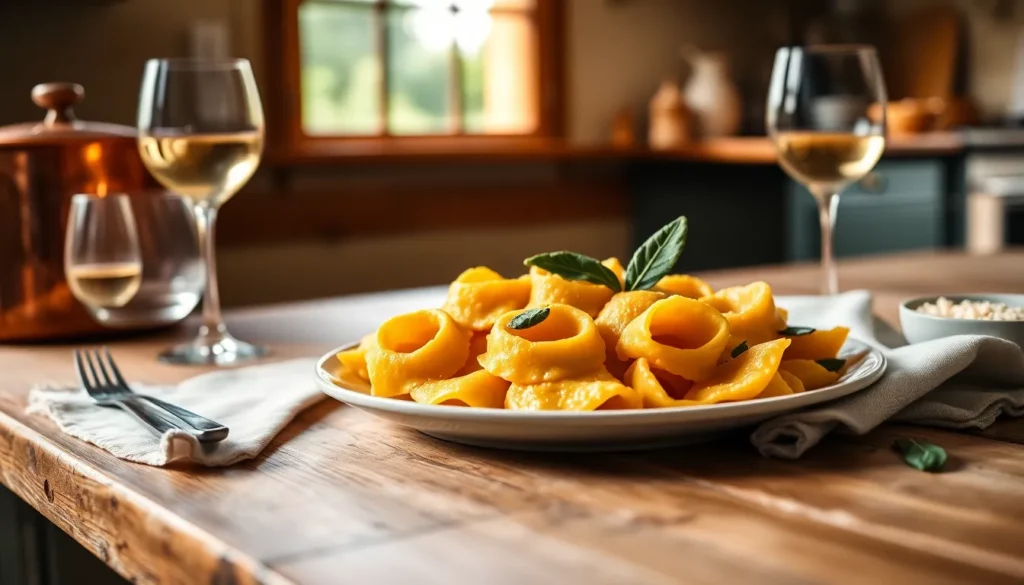
Cappellacci (singular: cappellaccio) are a type of stuffed pasta originating from the city of Ferrara in the Emilia-Romagna region of northern Italy. Their name derives from the Italian word cappello (hat), referring to the characteristic shape that resembles a wide-brimmed hat or a small cap. Traditionally, cappellacci are made from a fresh egg pasta dough and filled with a sweet-savory mixture of pumpkin (zucca), Parmigiano-Reggiano cheese, nutmeg, and crushed amaretti cookies. The filling is enclosed in a square of dough, folded into a triangle, and then the two ends are wrapped around the finger to form the hat shape.
The origins of cappellacci date back to the Renaissance, with the first documented references appearing in the 16th century in the court of the Este family, who ruled Ferrara. The dish was likely created to showcase the local pumpkin harvest, which was abundant in the Po Valley. Today, cappellacci di zucca are recognized as a Prodotto Agroalimentare Tradizionale (PAT) by the Italian Ministry of Agricultural Policies, ensuring that the traditional recipe and production methods are preserved. While not a DOP or IGP product, the PAT designation protects the cultural heritage of this pasta.
The dough is typically made with soft wheat flour (farina 00) and eggs, rolled thin. The filling combines cooked, mashed pumpkin (usually the zucca mantovana or violina variety), grated Parmigiano-Reggiano, a pinch of nutmeg, salt, and crushed amaretti for a subtle sweetness. Some variations include a touch of lemon zest or mustard fruit (mostarda) for complexity. The pasta is boiled until al dente and served with a simple sauce of melted butter and sage, or with a meat ragù, especially in the winter months.
Types & Grades
While the classic Cappellacci di zucca ferraresi is the most famous, several regional variations exist. The table below outlines the main types, their fillings, typical sauces, and areas of prevalence.
| Type | Filling | Typical Sauce | Region |
|---|---|---|---|
| Cappellacci di zucca (classic) | Pumpkin, Parmigiano-Reggiano, nutmeg, amaretti | Butter and sage, or ragù | Ferrara, Emilia-Romagna |
| Cappellacci di ricotta e spinaci | Ricotta, spinach, Parmigiano, nutmeg | Butter and sage, or cream sauce | Emilia-Romagna, Lombardy |
| Cappellacci di carne | Braised beef or pork, Parmigiano, nutmeg, egg | Ragù, or broth | Emilia-Romagna, Marche |
| Cappellacci di magro (Lenten) | Swiss chard, ricotta, herbs | Butter and sage, or tomato sauce | Liguria, Tuscany |
In terms of grades, cappellacci are not aged like cheese; they are a fresh pasta. Quality is determined by the ingredients and craftsmanship. Artisanal, handmade cappellacci are considered superior to machine-made versions, as the dough is thinner and the filling more balanced. Some producers offer fresh cappellacci (refrigerated, to be cooked within days) or frozen (for longer storage). Dried cappellacci are rare and not traditional.
How It’s Used in Cooking
Cappellacci are most commonly served as a primo piatto (first course) in Italian meals. The classic preparation for cappellacci di zucca is cappellacci al burro e salvia – boiled pasta tossed in melted butter with fresh sage leaves, often finished with a sprinkle of Parmigiano-Reggiano. This simple sauce allows the sweet pumpkin filling to shine.
Another traditional pairing is with ragù alla ferrarese, a meat-based sauce made with beef, pork, or a mix, slow-cooked with tomato, wine, and aromatics. This hearty sauce is especially popular in autumn and winter. In Ferrara, cappellacci are also served in brodo (broth), either meat or vegetable, for a comforting soup.
Modern chefs have experimented with cappellacci, pairing them with brown butter, poppy seeds, or even a light cream sauce with pancetta and peas. The key is to respect the delicate filling and not overpower it. Wine pairings include a dry white like Trebbiano di Romagna or a light red like Lambrusco for ragù versions.
How to Choose/Identify Authentic Cappellacci
When purchasing cappellacci, look for the following authenticity cues:
- Labeling: Seek products labeled Cappellacci di zucca ferraresi or with the PAT logo. This indicates adherence to traditional methods.
- Ingredients: The filling should list pumpkin (preferably zucca mantovana), Parmigiano-Reggiano, amaretti, nutmeg, and salt. Avoid fillings with artificial flavors, starches, or excessive sugar.
- Appearance: Authentic cappellacci have a thin, slightly translucent dough that shows the orange filling. The shape should be uniform, with a distinct hat-like form.
- Texture: Fresh cappellacci should be pliable, not dry or cracked. Frozen ones should be individually frozen to prevent sticking.
- Source: Buy from reputable Italian specialty stores, directly from pasta makers in Ferrara, or online retailers that source from the region. Check for reviews and certifications.
For the best experience, choose handmade cappellacci from a trusted producer. The dough should be rolled thin, and the filling should be well-seasoned but not overpowering.
Substitutes
If cappellacci are unavailable, several Italian stuffed pastas can serve as substitutes, though each has distinct characteristics:
- Tortellini: Smaller, ring-shaped, typically filled with meat or cheese. Use in broth or with cream sauce. Not ideal for pumpkin fillings.
- Cappelletti: Similar hat shape but smaller, often filled with meat or ricotta. A closer substitute in shape but not flavor.
- Agnolotti: Square or half-moon shaped, filled with meat or vegetables. Can be used in similar sauces, but the texture differs.
- Ravioli: Square pillows, available in many fillings. Choose a pumpkin or butternut squash ravioli for a similar taste profile.
When substituting, adjust cooking times and sauce pairings to match the substitute’s characteristics. For a pumpkin filling, look for ravioli di zucca as the best alternative.
Conclusion
Cappellacci represent a cherished tradition of Ferrara’s culinary heritage, combining simple ingredients into a dish of remarkable depth. Whether enjoyed with butter and sage or a rich ragù, these hat-shaped pastas offer a taste of Emilia-Romagna’s history. By understanding their origins, types, and authentic preparation, you can appreciate cappellacci as more than just pasta – they are a cultural artifact. Seek out genuine cappellacci di zucca ferraresi for an authentic experience, and experiment with traditional recipes to bring a piece of Italy to your table.
FAQ
What is the difference between cappellacci and tortellini?
Cappellacci are larger, hat-shaped stuffed pasta from Ferrara, traditionally filled with pumpkin and amaretti. Tortellini are smaller, ring-shaped, and typically filled with a mixture of meat, cheese, and herbs. They also originate from Emilia-Romagna but from Bologna and Modena.
Can I make cappellacci at home?
Yes, cappellacci can be made at home with fresh egg pasta dough and a pumpkin filling. The key is to roll the dough thin and shape the pasta carefully. Many recipes are available online, and the process is similar to making other stuffed pastas.
What wine pairs best with cappellacci di zucca?
For cappellacci with butter and sage, a dry white wine like Trebbiano di Romagna or a light red like Lambrusco works well. If served with ragù, a medium-bodied red such as Sangiovese di Romagna is recommended.
Are cappellacci gluten-free?
Traditional cappellacci are made with wheat flour and are not gluten-free. However, gluten-free versions using alternative flours (e.g., rice or corn) are available from some producers, though they may differ in texture.

Leave a Reply