
Short Answer
What It Is
Anise (Pimpinella anisum), often called aniseed, is a flowering annual herb in the Apiaceae family, native to the Eastern Mediterranean and Southwest Asia. In Italy, it has been cultivated for centuries, particularly in Sicily, where the Anice Verde di Sicilia holds a PGI (Protected Geographical Indication) status since 2004. This designation guarantees that the seeds are produced, processed, and packaged entirely within the provinces of Catania, Enna, and Caltanissetta, following traditional methods. The plant grows to about 60 cm, producing small, ribbed seeds that are harvested in late summer. The essential oil content (primarily anethole) gives anise its characteristic sweet, licorice-like aroma and flavor.
Historically, anise was prized by the Romans and later by medieval monasteries for its digestive and carminative properties. It became a staple in Italian confectionery and liqueur production, most famously in sambuca, mistrà, and anisette. Today, Italy remains one of the largest producers of high-quality anise, with the Sicilian variety being particularly sought after for its intense, clean flavor.
Types & Grades
Anise is available in several forms, each suited to different culinary applications. The table below outlines the primary grades and their characteristics:
| Type | Description | Common Uses | Quality Indicators |
|---|---|---|---|
| Whole Seeds | Dried, unground seeds; light brown with fine ridges | Infusions, baking, pickling, spice blends | Uniform size, strong aroma, no discoloration |
| Ground Anise | Powdered seeds; volatile oils dissipate quickly | Biscotti, cakes, cookies, spice rubs | Freshly ground, bright scent, no clumping |
| Essential Oil | Steam-distilled from seeds; high anethole content | Liqueurs, confectionery, aromatherapy | Clear, pale yellow; labeled with botanical source |
| PGI Anice Verde di Sicilia | Whole seeds from certified Sicilian producers | Premium baking, traditional liqueurs, export | PGI seal, harvest year, producer code |
Grades are also determined by seed size and essential oil percentage. Top-grade anise seeds are plump, uniform, and contain at least 2.5% essential oil. Lower grades may be smaller, broken, or have reduced aroma due to age or poor storage.
How It’s Used in Cooking
Anise is a versatile spice in Italian cuisine, appearing in both sweet and savory dishes. Its sweet, warm, licorice-like flavor pairs well with fruits, nuts, pork, and seafood.
Traditional Applications
- Biscotti di Prato – The classic Tuscan almond biscotti often include a hint of anise seeds or anise extract for depth.
- Pizzelle – These thin, crisp waffle cookies from Abruzzo are traditionally flavored with anise seeds or anise oil.
- Finocchiona – A Tuscan salami where anise seeds (or wild fennel) are a key seasoning, giving a distinctive aromatic note.
- Sambuca – The iconic Italian liqueur is made by distilling anise seeds with sugar and alcohol; often served with coffee beans.
- Pane di Anice – A sweet bread from Sicily, studded with anise seeds and sometimes raisins, enjoyed during holidays.
- Brodetto di Pesce – Some coastal versions of fish stew use a pinch of anise to complement the seafood.
“L’anice è il profumo della Sicilia nei dolci e nei liquori.” – Traditional Sicilian saying
In modern kitchens, anise is also used in spice rubs for pork roasts, in vegetable gratins (especially with fennel and carrots), and as a subtle flavor in ice creams and panna cotta.
How to Choose/Identify Authentic Anise
For commercial buyers and home cooks alike, selecting authentic, high-quality anise is crucial for achieving the desired flavor profile. Follow these guidelines:
- Look for the PGI label – If purchasing Sicilian anise, ensure the packaging bears the official Anice Verde di Sicilia PGI logo and certification number. This guarantees origin and quality standards.
- Check the harvest date – Anise seeds lose potency over time. Fresh seeds (less than one year old) have a strong, sweet aroma. Avoid seeds that smell musty or faint.
- Examine visual appearance – Authentic whole seeds are uniformly light brown with fine longitudinal ridges. They should be free of dust, mold, or insect damage. Broken seeds indicate lower grade.
- Smell test – Crush a few seeds between your fingers. A powerful, sweet licorice scent indicates high essential oil content. Weak or sour odor suggests old or adulterated product.
- Source from reputable suppliers – Italian specialty stores, certified importers, or directly from Sicilian cooperatives (e.g., Consorzio di Tutela Anice Verde di Sicilia) ensure authenticity.
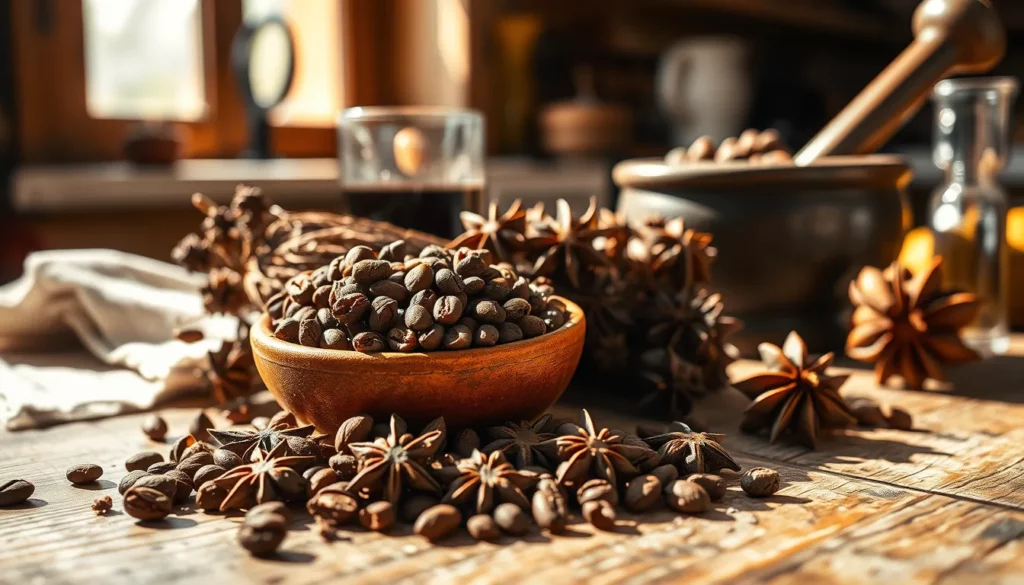
- Beware of confusion with star anise – Star anise (Illicium verum) is a different spice with a stronger, more pungent flavor. True anise seeds are smaller and sweeter. Always read the botanical name on the label.
Substitutes
When anise is unavailable, Italian cooks often turn to these authentic substitutes, each with its own character:
- Finocchietto (Wild Fennel Seeds) – The most common Italian substitute, especially in Tuscany and Sicily. Wild fennel seeds have a similar anise-like flavor but are slightly more herbaceous and less sweet. Use in a 1:1 ratio for savory dishes like salami or roasted vegetables.
- Star Anise – While not Italian, star anise is sometimes used in modern Italian cooking. It is much stronger and more pungent; use half the amount and remove before serving. Best for braised meats or poached fruits.
- Fennel Seeds (cultivated) – Sweeter than wild fennel, but still milder than anise. Use 1.5 times the amount of anise called for. Works well in breads and cookies.
- Anise Extract or Oil – If the recipe calls for whole seeds, you can substitute a few drops of pure anise essential oil (food-grade) or ½ teaspoon of anise extract per tablespoon of seeds. Adjust to taste.
Note: Licorice root is not a suitable substitute as it lacks the aromatic complexity of anise and can be overly sweet and medicinal.
Conclusion
Anise is a cornerstone of Italian aromatic tradition, from the sun-drenched fields of Sicily to the kitchens of Tuscany and beyond. Its sweet, licorice-like flavor enriches both sweet and savory dishes, while the PGI certification of Anice Verde di Sicilia ensures a product of exceptional quality. By understanding its grades, proper selection, and authentic substitutes, you can confidently incorporate this ancient spice into your culinary repertoire. Whether you are baking biscotti, crafting a liqueur, or seasoning a roast, anise brings a touch of Italian heritage to every bite.
FAQ
What is the difference between anise and star anise?
Anise (Pimpinella anisum) is a small seed from a plant in the Apiaceae family, native to the Mediterranean. Star anise (Illicium verum) is a star-shaped fruit from an evergreen tree in the Magnolia family, native to China. While both contain anethole and taste similar, star anise is stronger, more pungent, and slightly bitter. In Italian cooking, true anise is preferred for delicate sweets and liqueurs, while star anise is rarely used.
Is Anice Verde di Sicilia the same as regular anise?
Anice Verde di Sicilia is a specific PGI-certified variety of anise grown in Sicily. It is considered superior due to the region's volcanic soil, Mediterranean climate, and traditional cultivation methods. The seeds are typically larger, more aromatic, and have a higher essential oil content than generic anise. Look for the PGI logo to ensure authenticity.
Can I use anise seeds in place of fennel seeds?
Yes, but with caution. Anise is sweeter and more intense than fennel seeds. In savory dishes like sausage or roasted vegetables, you can substitute anise for fennel at a 1:1 ratio, but the flavor will be more pronounced. For baking, anise is often preferred. If a recipe calls for fennel seeds and you use anise, reduce the quantity slightly to avoid overpowering the dish.
Leave a Reply