Short Answer
Getting There
Rome is served by two primary airports: Leonardo da Vinci–Fiumicino Airport (FCO) for most international flights and Ciampino–G. B. Pastine Airport (CIA) mainly for budget carriers. From Fiumicino, the Leonardo Express train offers a direct 32-minute connection to Roma Termini station, while regional FL1 trains connect to other hubs like Trastevere without passing through Termini. Bus services and official white taxis are also available from both airports; ensure taxis use a meter or agree on a fixed fare beforehand. For travelers arriving by rail, Roma Termini is the central station with high-speed connections from Florence (approximately 1.5 hours) and Milan (approximately 3 hours). Verify current schedules and strike announcements with the national rail operator before departure, as industrial action can occasionally affect services.
Getting Around
Rome’s historic center is compact and highly walkable, with many major sights clustered within manageable distances. The public transport network includes three metro lines (A, B, and C), extensive bus routes, and trams. A single ticket validates for 100 minutes across all modes, including one metro journey. While convenient, metro service can be limited in the historic core, making buses necessary for some locations. Taxis are regulated and must be booked via phone, app, or picked up at designated ranks; hailing on the street is generally not permitted. Driving is discouraged for visitors due to limited traffic zones (ZTL), scarce parking, and aggressive traffic patterns. Cycling is possible but requires caution due to uneven cobblestones and traffic density.
Best Time to Visit
The optimal periods to visit Rome are spring (April to June) and autumn (September to October), when temperatures are mild and daylight hours are long. These seasons offer the best balance for walking tours and outdoor dining, though they coincide with peak tourist crowds and higher accommodation rates. Summer (July and August) brings intense heat and humidity, with many local shops closing for Ferragosto in mid-August, though cultural sites remain open. Winter (November to March) is cooler and quieter, with fewer queues at major attractions, but some outdoor experiences are less enjoyable. Religious holidays such as Easter and Christmas draw significant crowds to Vatican City. Always check specific event calendars and opening hours during holiday periods.
Top Things to Do
The Colosseum and Roman Forum
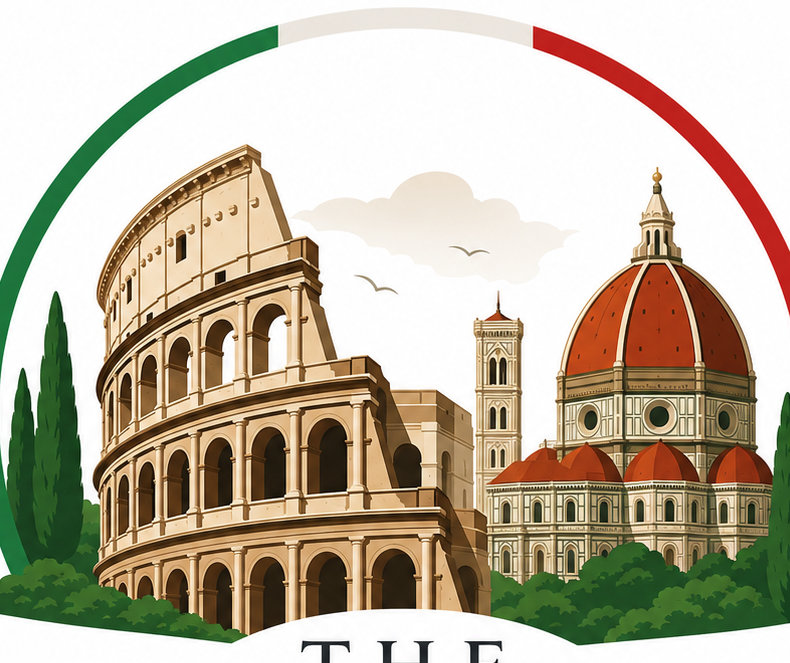
The iconic amphitheater and adjacent archaeological park represent the heart of ancient Rome. Visitors can explore the arena floor, underground chambers, and upper tiers with a combined ticket. This site suits history enthusiasts and first-time visitors. Booking timed entry slots in advance is essential to avoid long queues. Wear comfortable shoes for uneven terrain.
Vatican Museums and St. Peter’s Basilica
Home to the Sistine Chapel and an vast art collection, the museums require several hours to explore properly. St. Peter’s Basilica, located nearby, offers free entry but often has significant security lines. This experience suits art lovers and religious tourists. Dress codes strictly enforce covered shoulders and knees. Early morning or late afternoon visits help avoid peak crowds.
The Pantheon
This former Roman temple features the world’s largest unreinforced concrete dome and serves as a tomb for notable figures including Raphael. It is centrally located and suitable for all travelers. Entry policies may change, sometimes requiring reservations or fees during peak periods. Check current access rules before visiting.
Trevi Fountain
Baroque masterpiece known for the tradition of tossing coins to ensure a return to Rome. It is best visited early in the morning or late at night to avoid dense crowds. The surrounding streets are filled with shops and cafes. Sitting on the fountain edges is prohibited and enforced by local police.
Piazza Navona
Built on the site of an ancient stadium, this square features three fountains, including Bernini’s Fountain of the Four Rivers. It is a hub for street artists and cafes. Ideal for evening strolls and people-watching. Restaurants here are convenient but often priced higher than adjacent side streets.
Trastevere Neighborhood
A bohemian district across the Tiber River known for narrow medieval streets and vibrant nightlife. It offers an authentic atmosphere with numerous trattorias and pubs. Suitable for evening dining and couples. The area is less accessible by metro, requiring tram or bus connections.
Castel Sant’Angelo
Originally Hadrian’s Mausoleum, this cylindrical fortress offers panoramic views from its terrace. It connects to Vatican City via a historic covered corridor. Suitable for history buffs and photography. The interior museum details its use as a papal refuge and prison.
Villa Borghese
A large landscape garden containing the Borghese Gallery, which houses significant works by Bernini and Caravaggio. The park is ideal for picnics, cycling, and escaping city noise. Gallery entry requires mandatory advance reservation. The grounds are free to enter and open daily.
Where to Eat
Roman cuisine is characterized by simple, high-quality ingredients and specific pasta dishes. Key specialties include Carbonara (egg, cheese, guanciale, pepper), Cacio e Pepe (cheese and pepper), and Amatriciana (tomato, guanciale, cheese). Supplì (fried rice balls) are a common street food. Coffee is typically consumed standing at a bar counter in the morning. Lunch is generally served from 12:30 PM to 2:30 PM, with dinner starting around 7:30 PM or later. A coperto (cover charge) is standard on bills. Tipping is not mandatory as service is included, though leaving small change is appreciated for good service. Avoid restaurants with touts outside near major monuments for better quality and value.
Where to Stay
First-time visitors should consider Centro Storico for proximity to major sights, though prices are higher. Trastevere offers a lively atmosphere and excellent dining options, suitable for couples and nightlife seekers. Monti is a trendy neighborhood near the Colosseum, balancing convenience with local charm. Prati, near the Vatican, is quieter and family-friendly with good transport links. Termini provides budget-friendly options and transport connectivity but lacks atmospheric charm and requires vigilance at night. Visitors with cars should look for accommodations outside the ZTL restricted zones to avoid fines, though parking remains challenging throughout the city.
Suggested Itinerary
2-Day Highlights
Day 1: Start at the Colosseum and Roman Forum. Walk to the Capitoline Hill for views. Afternoon at the Pantheon and Piazza Navona. End at the Trevi Fountain. Day 2: Morning at Vatican Museums and St. Peter’s Basilica. Afternoon at Castel Sant’Angelo. Evening in Trastevere for dinner.
4-Day Deep Dive
Day 1: Ancient Rome (Colosseum, Forum, Palatine Hill). Day 2: Vatican City (Museums, Basilica) and Castel Sant’Angelo. Day 3: Historic Center (Pantheon, Navona, Trevi) and Villa Borghese. Day 4: Trastevere exploration, Appian Way, or a day trip to Tivoli. This pace allows for leisurely meals and museum visits without rushing.
Local Etiquette & Practical Tips
Dress modestly when entering churches; shoulders and knees must be covered. Greetings often involve a handshake or cheek kisses among acquaintances. Use “Buongiorno” in the morning and “Buonasera” in the evening. Public water fountains (nasoni) provide free potable water; bring a reusable bottle. Pickpocketing is common in crowded tourist areas and on public transport; keep valuables secure. Many shops close between 1:00 PM and 3:30 PM. Credit cards are widely accepted, but carry cash for small purchases. Emergency number is 112. Museums often close on Mondays; verify schedules in advance.
Day Trips from Rome
Tivoli is accessible via regional train or bus and features Hadrian’s Villa and Villa d’Este’s fountains. It is suitable for a half-day or full-day trip focusing on history and gardens. Ostia Antica is an ancient port city reachable by metro and train, offering well-preserved ruins similar to Pompeii but closer. It is ideal for a half-day archaeological visit. Orvieto is a hilltop town in Umbria reachable by high-speed train, known for its cathedral and underground caves. This requires a full-day commitment. The Castelli Romani are a group of towns in the Alban Hills known for wine and lakes, accessible by regional train. They suit visitors seeking countryside relaxation within an hour of the city.
FAQ
Is Rome worth visiting?
Yes, Rome is essential for history, art, and cuisine lovers. Its concentration of ancient ruins, Renaissance art, and vibrant culture offers a unique travel experience unmatched by most destinations.
How many days do you need in Rome?
A minimum of 3 days is recommended to see major highlights. A 4 to 5-day stay allows for a more relaxed pace, deeper museum visits, and potential day trips.
Is Rome safe, expensive, or walkable?
Rome is generally safe but requires vigilance against pickpockets in crowds. Costs vary by season but are moderate for Western Europe. The historic center is highly walkable, though public transport helps for longer distances.
Leave a Reply