Short Answer
| Fact | Detail |
|---|---|
| Capital | Florence |
| Population | 3,759,000 (2023 estimate) |
| Area | 22,987 km² |
| Major Cities | Florence, Pisa, Siena, Livorno, Arezzo |
| Bordering Regions | Lazio, Umbria, Marche, Emilia‑Romagna, Liguria |
Geography & Landscape
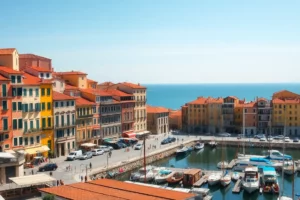
Tuscany stretches across central Italy, bounded to the west by the Tyrrhenian Sea and to the east by the Apennine foothills. Its terrain is a mosaic of gentle rolling hills, fertile valleys, and rugged limestone cliffs. The iconic cypress‑lined countryside, especially around the Chianti and Val d’Orcia, is the product of centuries‑old agricultural practices that have shaped the landscape into a living work of art. The region’s coastline, known as the Tuscan Riviera, includes the famed resort towns of Viareggio, Forte dei Marmi, and the island archipelago of Elba, offering a contrast of golden sands and crystalline waters.
Climatically, Tuscany enjoys a Mediterranean climate with hot, dry summers and mild, wet winters. Inland areas, particularly the Siena and Arezzo provinces, experience greater temperature variation, with cooler evenings in the hills. The coastal strip benefits from sea breezes that moderate summer heat, while the higher Apennine zones can see occasional snowfall in winter, creating a diverse micro‑climate that supports a wide range of agriculture—from olives and vineyards to chestnut forests.
Hydrologically, the Arno River is the most significant watercourse, flowing from the Apennines through Florence and Pisa before emptying into the sea. Smaller rivers such as the Serchio and the Ombrone also contribute to the region’s irrigation network. The combination of fertile soils, varied topography, and a benign climate has made Tuscany one of Italy’s premier agricultural zones, underpinning its world‑renowned food and wine industries.
History
The history of Tuscany Overview is a tapestry woven from Etruscan, Roman, medieval, and Renaissance threads. The region was the heartland of the ancient Etruscan civilization (c. 800–300 BC), whose sophisticated urban planning, metalwork, and religious rites left an indelible imprint on local culture. After the Roman conquest in the 4th century BC, Tuscany became a vital part of the Roman road network, with cities like Florentia (modern Florence) and Pisa thriving as commercial hubs.
Following the fall of the Western Roman Empire, the area fragmented into city‑states and feudal territories. The Middle Ages saw the rise of powerful communes such as Florence, Siena, and Pisa, each competing for trade dominance and political influence. The 14th and 15th centuries marked the apex of Tuscan power during the Renaissance, a cultural rebirth propelled by families like the Medici, who patronised artists such as Leonardo da Vinci, Michelangelo, and Botticelli. Their investment in architecture, painting, and scholarship transformed Florence into the cradle of modern Western thought.
In the 19th century, Tuscany joined the Kingdom of Italy during the unification process, retaining a distinct regional identity. Throughout World War II, the region endured heavy fighting, notably the Gothic Line battles across the Apennines. Today, Tuscany balances preservation of its historic patrimony with a vibrant contemporary economy driven by tourism, agriculture, and high‑tech industries. For a broader context, see our History silo pillar.
Major Cities & Towns
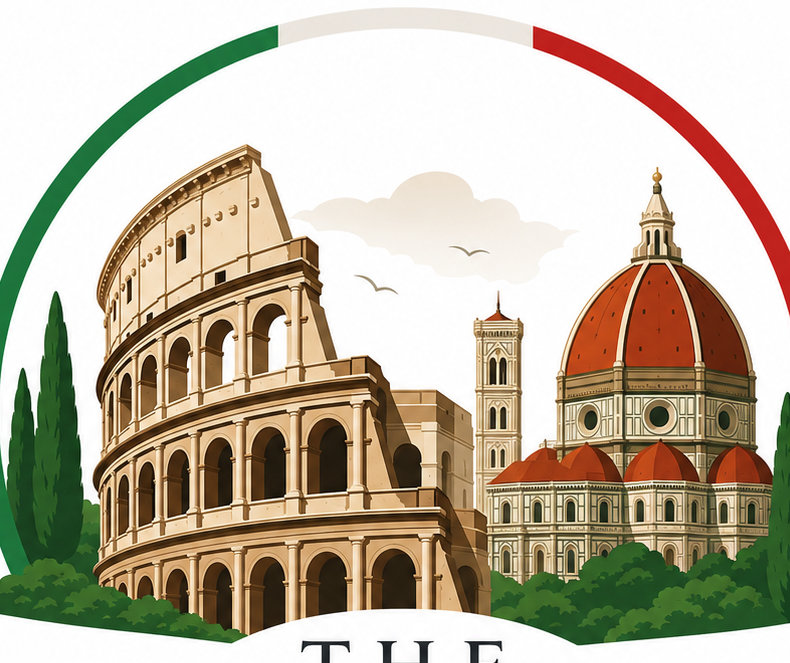
- Florence – the Renaissance capital, home to the Uffizi Gallery and the Duomo, with an internal link to the Florence city guide.
- Pisa – famous for the Leaning Tower, medieval university, and vibrant riverside promenade, linked to the Pisa city guide.
- Siena – renowned for the Palio horse race and its Gothic Piazza del Campo, see the Siena city guide.
- Livorno – a bustling port city with a distinctive “New Venice” canal system and fresh seafood markets, linked to the Livorno city guide.
- Arezzo – a medieval gem known for gold‑smithing, the Giostra del Saracino tournament, and the Piero della Francesca frescoes; read more in the Arezzo city guide.
Food & Culture Specific to the Region
Tuscan cuisine is a celebration of simplicity, quality ingredients, and rustic preparation methods. Signature dishes include Bistecca alla Fiorentina, a thick‑cut T‑bone steak grilled over oak, and Ribollita, a hearty bread and vegetable soup that epitomises peasant ingenuity. The region’s olive oil, often labelled “extra‑virgin” and protected by PDO status, is a staple in every meal, while the world‑renowned Chianti Classico wine, produced in the rolling hills between Florence and Siena, defines the Tuscan wine identity.
Cultural festivals are deeply tied to the agricultural calendar. The Palio di Siena, held twice a year in July and August, is a medieval horse race that draws thousands of spectators to the historic Piazza del Campo. In August, the Festa della Rificolona in Florence illuminates the city with paper lanterns, a tradition dating back to the 16th century. For a deeper dive into regional gastronomy, explore our Tuscany cuisine guide.
What the Region Is Known For
Tuscany is synonymous with artistic innovation, viticulture, and distinctive linguistic traits. The region gave birth to the Renaissance, a period that reshaped Western art, science, and philosophy; its museums house masterpieces by Michelangelo, Raphael, and Caravaggio. In the industrial sphere, Tuscany is a leader in leather goods, ceramics, and high‑tech manufacturing centred around the “Polo Tecnologico di Prato”.
Linguistically, the Tuscan dialect formed the basis for modern Standard Italian, largely due to the prestige of Florentine writers such as Dante Alighieri, Petrarch, and Boccaccio. This dialectic heritage is celebrated in local poetry festivals and language schools.
Annual events that define the region’s cultural calendar include the Lucca Summer Festival, attracting international rock and pop acts; the Chianti Classico Wine Festival, showcasing the best vintages from the historic vineyards; and the Firenze Biennale, a contemporary art exhibition that juxtaposes historic settings with cutting‑edge installations.
Visiting Tuscany Overview
The optimal time to visit Tuscany Overview is late spring (May‑June) or early autumn (September‑October) when temperatures are mild and crowds are thinner than the peak summer months. Primary transportation options include the high‑speed rail network connecting Florence to Rome, Milan, and Venice, as well as regional trains that serve smaller towns. Renting a car is advisable for exploring the countryside, especially the wine routes of Chianti, Montalcino, and Montepulciano.
Travel tips: purchase a regional transport pass for unlimited bus and train travel; book museum tickets (e.g., Uffizi, Accademia) online to avoid long queues; and respect local customs such as “la passeggiata” – an evening stroll that is a vital part of Tuscan social life. Light packing, comfortable walking shoes, and a reusable water bottle are essentials for navigating both urban streets and rural trails.
FAQ
Is Tuscany Overview the same as Umbria?
No. Tuscany Overview borders Umbria to the east but they are distinct regions with separate histories, cuisines, and administrative capitals—Florence for Tuscany and Perugia for Umbria. Learn more about neighboring regions in our Umbria guide.
What language/dialect is spoken in Tuscany Overview?
Standard Italian is the official language, but most locals also speak the Tuscan dialect, a variant that heavily influenced modern Italian. You’ll hear subtle differences in pronunciation and vocabulary, especially in rural villages.
What is the best time of year to experience Tuscany’s festivals?
Late spring (May‑June) and early autumn (September‑October) offer pleasant weather and coincide with major events like the Palio di Siena and the Chianti Classico wine festival. Check our Tuscany festivals calendar for exact dates.
Leave a Reply