Short Answer
| Fact | Detail |
|---|---|
| Capital | Naples |
| Population | ≈ 18.9 million (2023 estimate) |
| Area | ≈ 108,000 km² |
| Major Cities | Naples, Bari, Palermo, Catania, Messina, Reggio Calabria, Taranto, Lecce, Cagliari |
| Bordering Regions | Lazio, Abruzzo, Molise, Mediterranean Sea |
Geography & Landscape
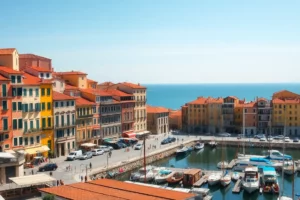
Southern Italy stretches from the volcanic foothills of Campania to the windswept cliffs of Calabria, encompassing the island of Sicily and the rugged terrain of Sardinia. The region is defined by three dominant physiographic zones: the Apennine mountain chain, which runs the length of the peninsula and reaches its highest point at Monte Pollino (2,267 m); the extensive coastal plains that hug the Tyrrhenian, Ionian, and Adriatic seas; and the volcanic areas around Mount Vesuvius and the Aeolian archipelago. This varied topography creates micro‑climates: the interior enjoys a continental pattern with cold winters and occasional snow, while the coastline experiences a classic Mediterranean climate—hot, dry summers and mild, wet winters. Annual precipitation ranges from less than 400 mm on the Sicilian south‑coast to over 1,200 mm in the Apennine valleys, supporting olive groves, citrus orchards, and vineyards that have become iconic to the landscape. Sea breezes moderate summer heat, making coastal towns such as the Amalfi Coast, the Salento peninsula, and the Costa Smeralda popular summer destinations. The region’s geological richness also yields a wealth of natural resources, including limestone, marble, and sulfur, historically pivotal for local economies.
History
Southern Italy has been a crossroads of civilizations since pre‑historic times, earning the ancient moniker “Magna Graecia” when Greek colonies flourished along the coastal belt in the 8th century BC. The Romans later integrated the area into the empire, establishing important ports and roads that linked the western and eastern Mediterranean. After the fall of Rome, the region fragmented into Lombard duchies, Byzantine themes, and Norman kingdoms, each leaving distinct architectural and cultural legacies. The Kingdom of the Two Sicilies, formed in 1816, united the southern mainland with Sicily and Sardinia under Bourbon rule until the Italian unification in 1861, an event that sparked significant social upheaval and mass emigration. Throughout the 20th century, Southern Italy grappled with economic disparity relative to the industrial north, a dynamic that continues to shape contemporary politics and development policies. For a broader view of Italy’s past, see our History silo.
Major Cities & Towns
- Naples – A bustling port city famed for its historic center, pizza origins, and the nearby ruins of Pompeii. Read more
- Bari – The gateway to the Balkans, known for its Romanesque basilica and lively waterfront promenade. Read more
- Palermo – Sicily’s capital, a melting pot of Arab‑Norman architecture and street food culture. Read more
- Catania – Nestled at the foot of Mount Etna, celebrated for its baroque streets and bustling fish market. Read more
- Reggio Calabria – Overlooks the Strait of Messina, home to the famous Riace Bronzes. Read more
- Taranto – An ancient maritime hub with a historic old town and modern steel industry. Read more
- Lecce – The “Florence of the South,” renowned for its exuberant baroque architecture. Read more
- Cagliari – Sardinia’s capital, offering Roman ruins, a vibrant harbor, and pristine beaches. Read more
Food & Culture Specific to the Region
Southern Italy’s cuisine is a celebration of simplicity and flavor, built on the abundance of sea, sun, and earth. Iconic dishes include spaghetti alle vongole (clam pasta) along the Campanian coast, orecchiette con cime di rapa from Apulia, and the world‑renowned pizza Napoletana, protected by EU’s Traditional Specialty Guaranteed status. Sicily contributes sweet delights such as cannoli and arancini, while Sardinia offers hearty porceddu (roast suckling pig) and the cheese pecorino sardo. Traditional festivals echo this gastronomic richness: the Feast of San Gennaro in Naples showcases street‑food stalls, the “Sagra del Pesce” in Bari celebrates fresh fish, and the “Infiorata di Noto” in Sicily blends floral art with local sweets. Music and dance remain integral—tarantella rhythms pulse through village squares, and the Neapolitan song tradition (e.g., “O Sole Mio”) continues to influence global music. For a deeper dive into regional gastronomy, explore our Cuisine guide.
What the Region Is Known For
Beyond food, Southern Italy is synonymous with several cultural and economic hallmarks. The region is a powerhouse of maritime commerce; the ports of Naples, Palermo, and Cagliari handle a significant share of Italy’s container traffic. Artistic heritage flourishes in the baroque churches of Lecce, the Norman‑Arab‑Byzantine mosaics of Palermo’s Cappella Palatina, and the ancient Greek temples of Paestum. Linguistically, the area is a tapestry of dialects—Neapolitan, Sicilian, Calabrian, and Sardinian—each with unique phonology and vocabulary, recognized by UNESCO as intangible cultural heritage. The film industry also finds a home here; the “Cinecittà” studios in Naples have produced countless classic movies. Annual events such as the “Mare Nostrum” sailing regatta, the “Palio di Siena” (though technically in Tuscany, it influences southern festivals), and the “Festival della Canzone Napoletana” draw international attention. Moreover, the region’s agricultural sector supplies a large proportion of Italy’s citrus fruits, olives, and vineyards, underpinning both local economies and export markets.
Visiting Southern Italy
The optimal time to visit is late spring (May‑June) or early autumn (September‑October) when temperatures are pleasant and crowds thin. High‑speed trains connect Rome to Naples, Bari, and Palermo, while regional airports—Naples International (Capodichino), Bari Karol Wojtyła, and Palermo Falcone‑Borsellino—provide quick domestic and European links. For island hopping, ferries run regularly between the mainland and Sicily or Sardinia. Travelers should rent a car to explore rural interiors, but rely on public transport within major cities. Practical tips: carry cash for small trattorias, learn basic Italian greetings (especially local dialect phrases), and respect local customs such as removing shoes when entering private homes. Light packing, comfortable walking shoes, and a reusable water bottle are advisable for the hot summer months.
FAQ
Is Southern Italy the same as Campania?
No. Southern Italy is a macro‑region that includes several administrative regions such as Campania, Apulia, Calabria, Sicily, Sardinia, and Basilicata. Campania is just one of those regions, famous for Naples and the Amalfi Coast.
What language/dialect is spoken in Southern Italy?
Standard Italian is used nationwide, but each area has its own dialect: Neapolitan in Campania, Sicilian in Sicily, Calabrian in Calabria, and the distinct Sardinian language on the island of Sardinia. These dialects influence local expressions, music, and cuisine.
What is the best way to travel between the mainland and Sicily?
The most convenient options are high‑speed trains to Villa San Giovanni followed by a short ferry to Messina, or direct flights from Naples, Rome, or Bari to Palermo and Catania. Both methods provide scenic views and efficient connections for travelers.
Leave a Reply