Short Answer
Getting There
Ferrara does not have its own commercial airport. The nearest practical international gateway is Bologna Guglielmo Marconi Airport (BLQ), located approximately 50 kilometers southwest. From Bologna Airport, travelers can take the Aerobus shuttle to Bologna Centrale train station, followed by a regional train to Ferrara. The train journey typically takes around 30 minutes. Direct rail connections are available from major Italian hubs: Milan offers direct services taking roughly 1 hour and 30 minutes, while Venice is also approximately 1 hour and 30 minutes away. Travelers arriving from Rome should expect a journey of around 3 hours, usually requiring a change in Bologna or Florence. Bus services operate between Bologna and Ferrara, but the train is generally faster and more frequent. Always verify current schedules and platform information with national rail operators before departure, as timetables can change seasonally.
Getting Around
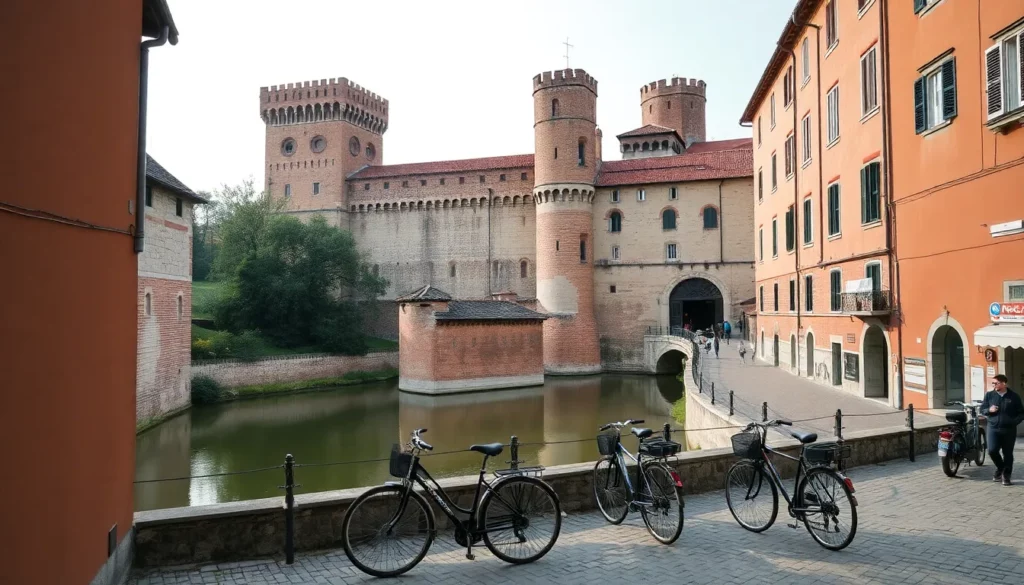
Ferrara is famously known as the city of bicycles. The flat terrain and extensive network of cycling paths make biking the most efficient and authentic way to explore. Many hotels and rental shops offer bicycle hire, and cycling is deeply integrated into local culture. The historic center is compact and highly walkable, allowing visitors to reach major landmarks on foot within minutes. Local public buses operate within the city and connect to surrounding suburbs, though they are rarely necessary for tourists staying within the walls. Taxis are available but generally unnecessary for inner-city travel. Visitors driving should be aware of strict Limited Traffic Zones (ZTL) within the historic center; unauthorized vehicles face heavy fines. Parking is available in designated lots outside the walls or at the train station, from which the center is easily accessible by foot or bike.
Best Time to Visit
The ideal time to visit Ferrara is during the spring (April to June) and early autumn (September to October). During these months, temperatures are mild, ranging from 15°C to 25°C, making outdoor activities and cycling comfortable. Summer can be hot and humid, with temperatures occasionally exceeding 30°C, though the city hosts the International Balloon Festival in August, which draws significant crowds. Winter brings cold temperatures and the characteristic Po Valley fog, known as nebbia, which creates a atmospheric but chilly environment. Major cultural events and museum openings may have reduced hours in January and February. Travelers seeking lower accommodation rates and fewer crowds should consider late autumn or winter, while those interested in festivals should target late summer. Always check specific event dates with the local tourism board before booking.
Top Things to Do
Castello Estense
This moated medieval castle is the symbolic heart of Ferrara. Built by the Este family in the 14th century, it features imposing towers, internal courtyards, and frescoed rooms. It suits history enthusiasts and photographers alike. Visitors should allocate at least two hours to explore the interiors and climb the tower for panoramic views. Audio guides are available to explain the dynastic history.
Ferrara Cathedral
Located in the historic center, the Cathedral of Saint George showcases a striking Romanesque facade with a Renaissance bell tower. It is a key religious site and an architectural landmark. Entry is generally free, but donations are appreciated. Dress modestly when visiting, covering shoulders and knees, as it is an active place of worship.
Palazzo dei Diamanti
Renowned for its unique exterior of diamond-shaped marble blocks, this palace houses the National Picture Gallery. It is essential for art lovers interested in the Ferrarese School of painting. Temporary exhibitions are frequently held here, so checking the current program online is recommended before visiting.
The Jewish Ghetto
Ferrara boasts one of the best-preserved Jewish quarters in Europe. The area includes historic synagogues and a Jewish Museum detailing the community’s rich history. Guided tours are often necessary to enter the synagogues, providing deep cultural context. This area is quieter and offers a poignant contrast to the ducal centers.
City Walls and Gates
The Renaissance walls encircle the old city and are now a public park. They are perfect for cycling or walking. The Porta degli Angeli is a particularly photogenic gate. This experience suits active travelers looking for green space. Access is free, and the walls offer a unique perspective of the city’s urban planning.
Palazzo Schifanoia
Formerly a pleasure palace for the Este family, this building contains the famous Hall of the Months with intricate frescoes. It is a highlight for Renaissance art scholars. Note that restoration work can sometimes limit access to certain rooms, so verify opening status in advance.
Po Delta Regional Park
Located just outside the city, this UNESCO biosphere reserve offers birdwatching and boat tours. It is ideal for nature lovers and families. Excursions typically require booking through local operators. The landscape of marshes and canals provides a stark contrast to the urban architecture.
Bicycle Museum
Given the city’s cycling culture, this museum traces the history of the bicycle. It is a niche but engaging stop for cycling enthusiasts. It is located near the city center and can be combined with a rental for a thematic day.
Where to Eat
Ferrara’s cuisine is rooted in the Emilia-Romagna tradition, emphasizing rich pastas and cured meats. Local specialties include cappellacci di zucca, pumpkin-filled pasta parcels often served with butter and sage or ragù. Salama da sugo, a slow-cooked cured pork shoulder, is a winter delicacy typically served with mashed potatoes. Fish from the nearby valleys, particularly eel (anguilla), is historically significant and often grilled or stewed. Dining habits follow Italian norms: lunch is typically served from 12:30 PM to 2:30 PM, and dinner from 7:30 PM onwards. Many kitchens close between meals. Osterie and trattorias offer the most authentic experiences, often featuring house wines. Coffee is usually consumed standing at the bar in the morning. Visitors should look for menus featuring local DOP products like Parmigiano Reggiano and Prosciutto di Parma.
Where to Stay
First-time visitors should prioritize the Historic Center within the walls for immediate access to landmarks and dining. This area is pedestrian-friendly but can be noisy during festivals. Budget travelers might find better rates near the train station, which is just outside the walls but within walking distance. Families may prefer accommodations outside the ZTL zones where parking is easier and rooms are often larger. Couples seeking romance should look for historic buildings converted into boutique hotels near the Castello. Visitors with cars must ensure their lodging offers parking or is located near a public garage, as street parking in the center is restricted. Noise levels are generally low, but streets near main squares can be lively on weekends.
Suggested Itinerary
2-Day Highlights
Day 1: Arrive and check in. Visit Castello Estense in the morning. Walk to the Cathedral and browse the nearby shops. Lunch in the center. Afternoon visit to Palazzo dei Diamanti. Dinner at a local osteria.
Day 2: Morning bicycle tour along the City Walls. Visit the Jewish Ghetto and Museum. Lunch featuring pumpkin pasta. Afternoon at Palazzo Schifanoia. Departure or evening stroll.
4-Day Relaxed Stay
Day 1: Arrival and settling in. Evening walk around Piazza Trento e Trieste.
Day 2: Comprehensive city tour including Castello, Cathedral, and Diamanti. Bike rental pickup.
Day 3: Day trip to the Po Delta Park for nature and boat tours. Return for dinner.
Day 4: Visit the Bicycle Museum and shop for local food products. Departure.
Local Etiquette & Practical Tips
Visitors should dress respectfully when entering churches, covering shoulders and knees. Greetings are important; say Buongiorno (Good day) when entering shops and Buonasera (Good evening) after late afternoon. Tipping is not mandatory but leaving small change or rounding up the bill is appreciated for good service. Credit cards are widely accepted, but carrying some cash is advisable for small cafes or markets. English is spoken in tourist areas, but learning basic Italian phrases is welcomed. The city is very safe, but standard vigilance against pickpocketing in crowded areas applies. Accessibility is good on main streets, but cobblestones in older sections can challenge wheelchairs. Avoid driving into restricted zones without a permit.
Day Trips from Ferrara
Bologna: The regional capital is 30 minutes away by train. Ideal for food tours and museum visits. Best as a full-day trip.
Ravenna: Famous for Byzantine mosaics, located about 1 hour away. Essential for art history enthusiasts. Full-day recommended.
Comacchio: Known as Little Venice, this lagoon town is 30 minutes by car or bus. Great for seafood and boat rides. Half-day or full-day.
Venice: Direct trains take roughly 1 hour and 30 minutes. Feasible for a long day trip to see St. Mark’s Square.
Mantua: Another Renaissance gem with Ducal Palaces, about 1 hour away by car or train with changes. Suitable for history lovers.
FAQ
Is Ferrara worth visiting?
Yes, especially for travelers interested in Renaissance history, cycling, and authentic Emilia-Romagna cuisine without heavy crowds.
How many days do you need in Ferrara?
Two days are sufficient for the main highlights, but three to four days allow for a relaxed pace and day trips to the Po Delta.
Is Ferrara safe and walkable?
Ferrara is very safe with low crime rates. It is extremely walkable and bike-friendly, though cars are restricted in the center.
Leave a Reply