Short Answer
Getting There
Alberobello is located in the Valle d’Itria region of Puglia, southern Italy. The most practical arrival point for international travelers is Bari Karol Wojtyła Airport (BRI), approximately 60 kilometers northwest of Alberobello. Brindisi Airport (BDS) is a secondary option located about 90 kilometers southeast. From Bari Airport, travelers can take a shuttle bus to Bari Centrale train station. From there, the Ferrovie del Sud Est (FSE) railway operates regional trains directly to Alberobello. The journey typically takes around one hour and fifteen minutes, though schedules vary by season and time of day. Direct bus services also operate from Bari Centrale to Alberobello, offering a comparable travel time. Travelers arriving by car from Rome or Milan should note that the drive from Rome takes approximately 4.5 to 5 hours via the A1 and A16 highways, while Milan is roughly 9 hours away. Most visitors flying internationally will connect through Rome Fiumicino or Milan Malpensa before taking a domestic flight to Bari.
It is essential to verify current train and bus timetables before departure, as frequency decreases on weekends and during public holidays. Private transfer services are available from Bari Airport but come at a higher cost than public transit. For those renting a car, major rental agencies are available at Bari Airport and Bari Centrale station. Ensure you understand Italian driving laws and ZTL restrictions before entering historic town centers.
Getting Around
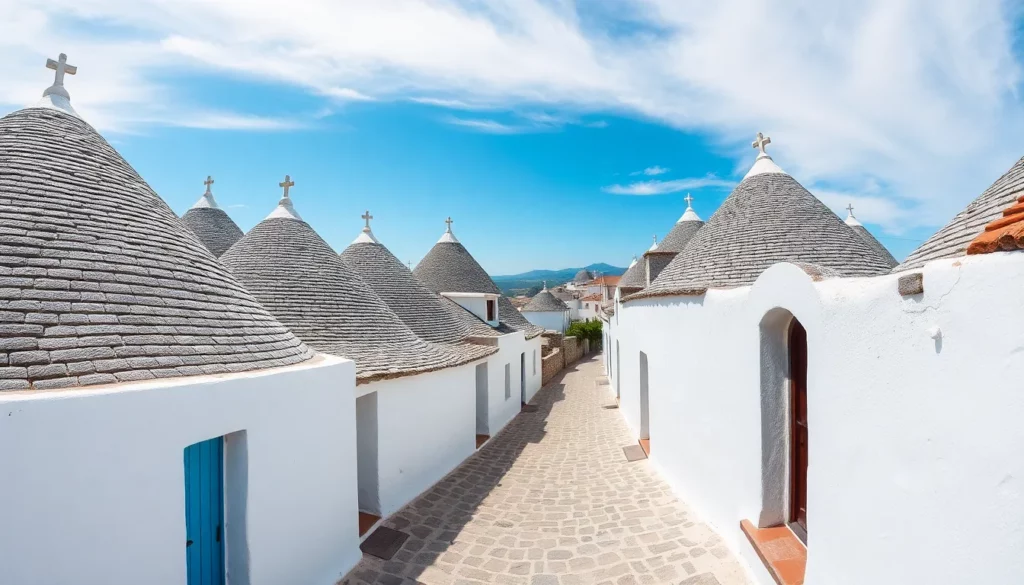
Alberobello’s historic center, where the famous Trulli houses are concentrated, is largely pedestrianized. Walking is the primary and most enjoyable mode of transport within the Rione Monti and Aia Piccola districts. The cobblestone streets are uneven, so sturdy footwear is recommended. While the town is compact, the terrain includes gentle slopes. Visitors with mobility issues should note that some areas may be challenging to navigate due to steps and historic pavement structures.
Driving within the historic center is strictly prohibited for unauthorized vehicles due to Limited Traffic Zones (ZTL). Cameras enforce these restrictions, and fines are issued automatically. Visitors arriving by car must park in designated lots outside the historic perimeter, such as those near Via Martiri d’Ungheria or the official municipal parking areas. Local buses connect Alberobello to nearby towns like Locorotondo and Martina Franca, but service frequency is limited compared to major cities. Taxis are available but should be booked in advance, especially during peak tourist seasons. For exploring the wider Valle d’Itria region, a rental car provides significant flexibility, though it is not necessary for a stay confined to Alberobello itself.
Best Time to Visit
The ideal time to visit Alberobello is during the shoulder seasons of spring (April to June) and autumn (September to October). During these months, daytime temperatures are pleasant, typically ranging from 18°C to 25°C, and crowd levels are manageable. This weather is suitable for walking tours and outdoor dining. Summer (July and August) brings high temperatures often exceeding 30°C and significant crowds, as this is the peak holiday period for both international and domestic tourists. Accommodation prices rise, and availability decreases sharply in August.
Winter (November to March) is quiet, with many shops and restaurants reducing their hours or closing temporarily. However, this season offers a serene atmosphere and lower prices for those who do not mind cooler weather. Religious festivals occur throughout the year, including celebrations for Saint Anthony in June. Specific dates for local festivals change annually, so travelers should check the official municipal calendar before booking. Daylight hours vary significantly, with late sunsets in summer allowing for extended evening exploration, while winter days are shorter.
Top Things to Do
Explore Rione Monti
This district contains over 1,000 Trulli houses and is the most famous area of Alberobello. Many structures have been converted into shops, cafes, and museums. It is the best location for photography and purchasing local crafts, though it can be crowded during midday.
Visit Aia Piccola
In contrast to Monti, Aia Piccola is a residential neighborhood where locals still live in Trulli. It offers a more authentic atmosphere with fewer commercial establishments. Visitors should maintain respect for private property while walking through this UNESCO-protected zone.
Trullo Sovrano
As the only two-story Trullo in Alberobello, this building serves as a museum showcasing historical furnishings and tools. It provides insight into how families lived in these structures during the 19th and early 20th centuries. Admission fees apply, and hours vary by season.
Church of Saint Anthony
Built in the style of a Trullo, this church is a unique architectural blend of religious function and local tradition. Located near the Monti district, it is active for worship and open to visitors outside of mass times. Modest dress is required for entry.
Trulli Siamese
These two connected Trulli houses on Via Monte San Michele are a notable architectural curiosity. They demonstrate how structures were expanded to accommodate growing families. They are best viewed from the exterior as they are privately owned.
Olive Oil Tasting
Puglia is one of the world’s largest olive oil producers. Several local frantoios (mills) and enotecas offer tasting sessions. This experience helps visitors understand the region’s agricultural heritage and the difference between cultivars like Coratina and Ogliarola.
Cooking Classes
Learning to make orecchiette pasta or fill burrata cheese is a popular activity. Classes are typically held in masserie (farmhouses) surrounding the town. Booking in advance is recommended, especially during peak travel periods.
Belvedere Terrace
Located on Via Giuseppe Garibaldi, this viewpoint offers a panoramic perspective of the Trulli districts. It is an excellent spot for orientation and sunset photography, providing context to the layout of the town below.
Where to Eat
Pugliese cuisine is rustic and relies heavily on high-quality local ingredients. In Alberobello, travelers should seek out dishes featuring durum wheat pasta, such as orecchiette alle cime di rapa (pasta with broccoli rabe). Fresh cheese is a staple, particularly Burrata di Andria and Cacioricotta. Seafood is less common here than on the coast, but lamb and pork dishes are prevalent. Antipasti platters often include taralli (savory crackers), cured meats, and marinated vegetables.
Meal timing follows Italian customs, with lunch typically served between 1:00 PM and 3:00 PM and dinner from 8:00 PM onwards. Many kitchens close between these periods. Wine pairings often feature Primitivo di Manduria or Negroamaro from the Salento region. Travelers should look for menus that highlight local DOP (Protected Designation of Origin) products. While specific restaurants are not recommended here, areas surrounding the Trulli districts offer a concentration of trattorias and osterias. Markets are small, but local grocery stores sell excellent regional products for picnics.
Where to Stay
Accommodation in Alberobello ranges from standard hotels to unique Trulli conversions. First-time visitors often prefer staying within or immediately adjacent to the Rione Monti district for easy access to major sights. However, this area can be noisy during peak seasons. Couples seeking romance may opt for restored Trulli suites, which offer a distinctive architectural experience but often come at a premium price point.
Budget travelers might find better value in accommodations slightly outside the historic center, where parking is included and rates are lower. Families should look for properties with space and proximity to grocery stores, as dining options may have limited children’s menus late at night. Visitors with a car must ensure their lodging provides parking instructions, as street parking in the center is restricted. The Aia Piccola area offers a quieter alternative to Monti, suitable for those prioritizing rest over nightlife. Regardless of the choice, booking well in advance is crucial during summer and holiday periods.
Suggested Itinerary
2-Day Highlights
Day 1: Arrive and check in. Spend the afternoon walking through Rione Monti. Visit Trullo Sovrano and the Church of Saint Anthony. Enjoy dinner at a local trattoria.
Day 2: Explore Aia Piccola in the morning for a residential perspective. Visit the Belvedere Terrace for photos. Depart or travel to the next destination in the afternoon.
4-Day Relaxed Stay
Day 1: Arrival and orientation walk in Monti. Evening aperitivo.
Day 2: Deep dive into Trulli history with museum visits. Afternoon olive oil tasting.
Day 3: Day trip to Matera or Castellana Grottes. Return for dinner in Alberobello.
Day 4: Cooking class or market visit. Leisurely lunch before departure.
Local Etiquette & Practical Tips
Visitors should dress modestly when entering churches, covering shoulders and knees. Greetings are important; a simple “Buongiorno” (Good day) or “Buonasera” (Good evening) upon entering shops is customary. Tipping is not mandatory but leaving small change or rounding up the bill is appreciated for good service. Credit cards are widely accepted, but carrying some cash is advisable for small vendors or markets.
Security is generally good, but standard precautions against pickpocketing in crowded areas apply. The most critical rule is respecting ZTL zones; do not drive into restricted areas unless your hotel has registered your license plate. Water is safe to drink from public fountains marked “Acqua Potabile.” Accessibility varies, as historic streets are not always wheelchair friendly. English is spoken in tourist areas, but learning basic Italian phrases enhances the experience.
Day Trips from Alberobello
Matera: Famous for its Sassi cave dwellings, Matera is about 45 minutes away by car. It is a full-day trip suitable for history and photography enthusiasts. Public transport exists but requires transfers.
Castellana Grottes: Located 20 minutes away, these limestone caves offer guided tours. Ideal for a half-day excursion, especially during hot weather.
Locorotondo: A white-washed town known for its circular historic center and white wine. Only 10 minutes away, it is perfect for a leisurely lunch and stroll.
Ostuni: Known as the White City, Ostuni is 30 minutes south. It offers panoramic views and a larger historic center than Alberobello. Suitable for a full day.
Polignano a Mare: A coastal town with dramatic cliffs and beaches, about 40 minutes away. Best visited in warmer months for swimming and seafood.
Martina Franca: Nearby baroque town known for its festival and cuisine. Close proximity makes it an easy half-day trip for architecture lovers.
FAQ
Is Alberobello worth visiting?
Yes, it is unique for its UNESCO-listed Trulli architecture and offers a distinct cultural experience within Puglia.
How many days do you need in Alberobello?
Two days are sufficient for the town highlights, but four days allow for a relaxed pace and regional day trips.
Is Alberobello safe, expensive, or walkable?
It is very safe and highly walkable, though costs can be higher in peak season and driving requires caution regarding ZTL zones.
Leave a Reply