Short Answer
Getting There
Cortina d’Ampezzo does not have its own commercial airport or direct train station. The nearest major international airport is Venice Marco Polo (VCE), located approximately 160 kilometers south. Treviso Airport (TSF) is another option, often used by budget carriers, while Innsbruck Airport (INN) in Austria is viable for travelers approaching from the north, though crossing the border adds complexity. From Venice, the most common transfer method is the Cortina Express bus or regional ATVO coaches, which run regularly but require advance booking during peak seasons. Direct drives from Venice take roughly two hours via the A27 motorway and SS51 road, though winter conditions may require snow chains or tires.
Rail travelers typically take a train to Calalzo-Pieve di Cadore-Cortina, the nearest station about 35 kilometers away. From Calalzo, local buses connect to Cortina’s main bus station. Direct connections from major hubs like Milan or Rome involve multiple changes, usually in Venice or Padua, making the total journey time between four to six hours. Always verify current schedules with rail and bus operators before booking, as frequencies reduce significantly outside the winter ski season and summer hiking months.
Getting Around
Within Cortina d’Ampezzo, the historic center is compact and highly walkable. The main pedestrian thoroughfare, Corso Italia, connects most shops, cafes, and hotels. For reaching ski lifts or trailheads outside the town center, the local urban bus service, known as Navetta, operates frequent loops during winter and summer high seasons. A single ticket or day pass is usually required, and validation upon boarding is mandatory. Taxis are available but can be expensive and scarce during peak holiday weeks.
Having a car offers flexibility for day trips and accessing remote trailheads, but it is not strictly necessary for a ski-focused or town-centered stay. Parking in Cortina can be challenging and costly during winter; many hotels offer private parking, but public garages fill quickly. Note that traffic restrictions may apply in the ZTL (Limited Traffic Zone) within the center. In winter, four-wheel drive or snow tires are essential for driving in the surrounding Dolomite passes. For summer visitors, the mobility network includes cable cars that function as public transport for hikers, connecting valleys to high-altitude paths.
Best Time to Visit
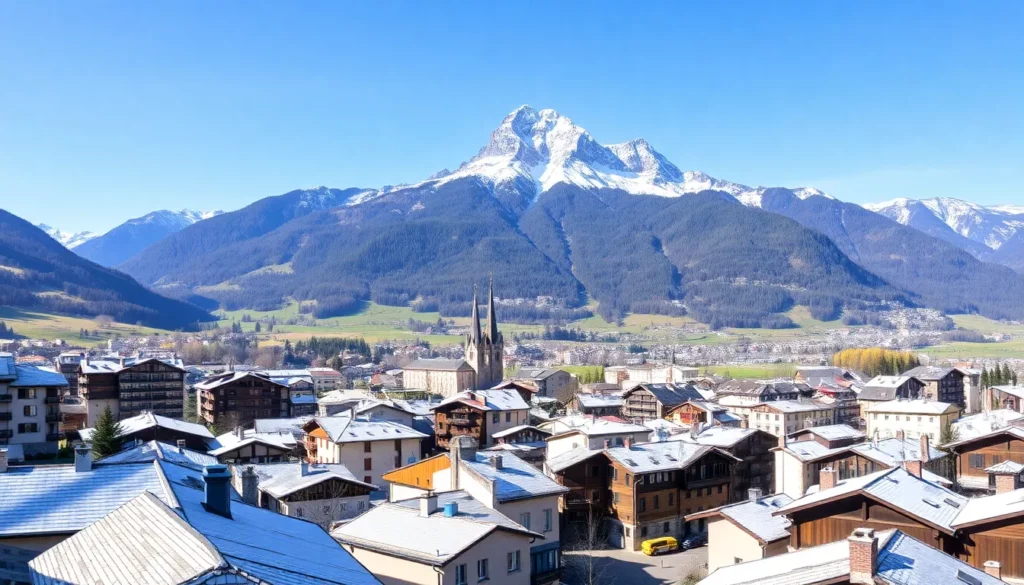
Cortina d’Ampezzo is a dual-season destination, peaking in winter for skiing and summer for hiking. The winter season runs from December to early April. January and February offer the most reliable snow conditions but coincide with the highest prices and crowd levels, particularly during Italian school holidays in February. March often provides a balance of good snow, longer daylight, and slightly reduced rates.
Summer, from late June to September, is ideal for via ferrata, hiking, and climbing. July and August are the warmest but also the busiest months. The shoulder seasons of late May to mid-June and October are quieter and more affordable, though some cable cars and businesses may close for maintenance between seasons. Weather in the Dolomites is changeable; even in summer, temperatures drop significantly at altitude. Winter visitors should prepare for sub-zero temperatures and potential heavy snowfall. Major events include the Audi FIS Ski World Cup races in January and various cultural festivals in summer, but dates vary annually and should be confirmed with the local tourism board.
Top Things to Do
Tofana di Rozes
Dominating the skyline above Cortina, this iconic mountain is the symbol of the town. Visitors can take the Freccia nel Cielo cable car to the Cinque Torri area for panoramic views. It suits all travelers seeking iconic photography opportunities. Check wind conditions before ascending, as high winds can close lifts.
Lagazuoi 5 Torri
This area offers a mix of history and nature. During World War I, it was a fierce battlefield, and open-air museums display trenches and tunnels. In winter, it is a premier ski circuit; in summer, it offers high-altitude hiking. It is suitable for history buffs and active travelers alike.
Lake Sorapis
Known for its milky turquoise water caused by glacial flour, this lake is one of the most photographed spots in the Dolomites. Reaching it requires a moderate hike of about two hours round trip from the Dain di Lauto parking area. It is best visited in summer or early autumn when the trail is snow-free.
Corso Italia
The heart of Cortina’s social life, this pedestrian street is lined with boutiques, art galleries, and cafes. It is the place to see and be seen, particularly in the evening. It suits shoppers and people-watchers. No ticket is required, but window shopping is the primary activity.
Olympic Ice Stadium
Built for the 1956 Winter Olympics, this historic venue still hosts curling and ice skating. It is a significant cultural landmark for sports enthusiasts. Public skating sessions are available seasonally. Verify opening hours as they depend on event schedules.
Museo d’Ampezzo “Rinaldo Zardini”
This museum covers the natural history, geology, and local culture of the Ampezzo valley. It provides context on the Ladin heritage and the formation of the Dolomites. It is ideal for rainy days or travelers interested in ethnography. Admission fees apply and vary by season.
Christallo Mountain
Accessible via cable car, the Christallo offers stunning views over the valley and access to high-altitude restaurants. It is a key part of the Dolomiti Superski area. In summer, it serves as a starting point for demanding hikes. Lift tickets are required for access.
Cinque Torri Open Air Museum
Located near the Lagazuoi, this site features restored WWI trenches and fortifications. Guided tours are often available in summer. It offers a somber but educational experience regarding the White War. Wear sturdy shoes as the terrain is uneven.
Where to Eat
The cuisine in Cortina reflects the Cadore region, blending Italian traditions with Austrian and Ladin influences. Expect hearty mountain dishes designed for cold climates. Polenta is a staple, often served with game meats like venison or hare. Casunziei, half-moon shaped ravioli filled with beetroot, are a local specialty typically served with poppy seeds and melted butter. Canederli (bread dumplings) are common in broths or with cheese sauces.
Dining times follow Italian customs, with lunch typically served between 12:30 PM and 2:30 PM and dinner from 7:30 PM onwards. Reservations are highly recommended, especially in winter. The town offers a range of options from casual pizzerias to fine dining establishments. Wine lists often feature varieties from nearby Veneto and Friuli regions. Tipping is not mandatory but leaving small change or rounding up the bill is appreciated for good service.
Where to Stay
For first-time visitors and those without a car, the Centro Storico (Historic Center) is the most convenient base. It allows easy access to shops, restaurants, and the main bus station. However, it can be noisy during peak seasons and accommodation prices are at a premium. Couples and nightlife-focused travelers often prefer this area for its atmosphere.
Families and visitors with a car might consider Campolongo or Zuel di Sopra. These neighborhoods are slightly outside the center, offering quieter surroundings and often more spacious lodging options. They are well-connected by the local bus network but require planning for grocery runs or evening dining. Budget travelers should look for accommodations in the surrounding frazioni (hamlets) like Acquabona, though reliance on public transport increases. Ski-in/ski-out properties are available near the main lift bases but command the highest rates.
Suggested Itinerary
2-Day Highlights
Day 1: Arrive and settle in. Walk along Corso Italia for lunch and shopping. Visit the Museo d’Ampezzo in the afternoon. Enjoy dinner in the historic center.
Day 2: Take the cable car to Tofana or Lagazuoi. Spend the morning hiking or skiing depending on the season. Have lunch at a mountain refuge. Return to town for evening relaxation.
4-Day Relaxed Stay
Day 1: Arrival and orientation walk. Explore Corso Italia and visit the Olympic Ice Stadium.
Day 2: Full day in the mountains. Take the lift to Cinque Torri. Explore the WWI open-air museum. Sunset aperitivo at altitude.
Day 3: Excursion to Lake Sorapis. Pack a picnic. Return to town for a traditional Cadore dinner.
Day 4: Visit the Christallo area or enjoy a spa morning. Departure or transfer to next destination.
Local Etiquette & Practical Tips
Italian social customs apply in Cortina. Greetings are important; say “Buongiorno” (Good day) when entering shops or cafes. Dress codes are generally smart-casual, especially in the evening; athletic wear is reserved for the slopes or trails. When visiting churches, cover shoulders and knees. Tipping is discretionary; service charges are often included in the bill (“coperto”).
Cash is still widely used in smaller establishments, though credit cards are accepted in most hotels and restaurants. Notify your bank of travel to avoid card blocks. The local dialect includes Ladin influences, but Italian is universally spoken. English is common in tourist-facing businesses. Safety is generally high, but standard precautions against pickpocketing in crowded areas apply. Be aware of altitude sickness if engaging in strenuous activity above 2,000 meters. Always check weather forecasts before heading into the mountains.
Day Trips from Cortina d’Ampezzo
Tre Cime di Lavaredo
One of the most famous mountain groups in the world. Accessible by car or bus to the Auronzo refuge. Best as a full-day hiking trip in summer. Winter access is limited to ski touring.
Lake Braies (Pragser Wildsee)
Located in South Tyrol, about 45 minutes away by car. Famous for its emerald water and wooden boats. Can be crowded; arrive early. Suitable for half-day visits.
Val Gardena
A neighboring valley known for wood carving and skiing. Connected via the Sella Pass. Good for a full-day ski trip or summer drive. Check pass opening status in winter.
Venice
The historic city is about two hours away by bus or car. Ideal for a cultural contrast to the mountains. Best as an overnight extension or a very long day trip via direct bus.
San Candido (Innichen)
An Austrian-style town just over the border. Known for its collegiate church and relaxed atmosphere. About 40 minutes by car. Good for a half-day shopping or lunch trip.
Passo Giau
A high mountain pass offering dramatic views. Accessible by car in summer and via ski bus in winter. Great for photography. Road closes in deep winter.
FAQ
Is Cortina d'Ampezzo worth visiting?
Yes, it is a premier destination for both winter sports and summer hiking, offering dramatic scenery, high-end amenities, and rich history within the UNESCO Dolomites.
How many days do you need in Cortina d'Ampezzo?
A minimum of 3 days is recommended to enjoy the town and one mountain excursion. 5 days allows for a relaxed pace and multiple ski or hike days.
Is Cortina d'Ampezzo safe, expensive, or walkable?
It is very safe with low crime. It is one of Italy's more expensive destinations, especially in winter. The town center is fully walkable, but a car or bus is needed for trailheads.
Leave a Reply