
Short Answer
Getting There
The primary gateway for travelers visiting Positano is Naples International Airport (NAP), located approximately 60 kilometers north. Upon arrival, visitors have several transfer options depending on budget and schedule. The most common public transport route involves taking the Circumvesuviana train or the Campania Express from Naples Centrale station to Sorrento, followed by a SITA Sud bus directly to Positano. This journey typically takes between 1.5 to 2.5 hours depending on connections and traffic. Alternatively, seasonal ferries operate from Naples and Sorrento to Positano during the warmer months, offering a scenic arrival via the Tyrrhenian Sea, though schedules are weather-dependent and less frequent in winter.
For those traveling from major hubs like Rome or Milan, high-speed rail services connect to Naples Centrale station. From Rome, the train journey takes approximately 1 hour and 10 minutes, while Milan requires about 4.5 hours. Once in Naples, travelers must transfer to local ground transport as there is no direct train station in Positano. Private car transfers are available from Naples Airport but can be costly and are subject to traffic congestion on the coastal roads. Visitors driving their own vehicles should be aware that parking in Positano is extremely limited and expensive, often requiring use of paid lots outside the town center.
Getting Around
Positano is a vertical town built into a steep cliffside, meaning movement is primarily achieved on foot via staircases and narrow pedestrian pathways. The main coastal road, SS163, is serviced by SITA Sud buses which connect Positano to neighboring towns like Amalfi and Sorrento. These buses are essential for regional travel but can be crowded during peak season. Within the town, walking is the most practical method, though visitors should be prepared for significant elevation changes and steps. Comfortable footwear is strongly recommended over heels or hard-soled shoes.
Taxis and private drivers are available but operate at a premium rate due to the difficulty of navigation and limited vehicle access to lower levels. Ride-sharing services are generally unavailable or unreliable in this region. For coastal exploration, passenger ferries provide an efficient and scenic alternative to road transport during the operating season, connecting Positano to Amalfi, Capri, and Sorrento. Renting a car is generally discouraged for stays within Positano itself due to restrictive traffic zones (ZTL), narrow roads, and scarce parking. However, a vehicle may be useful for travelers planning extensive inland exploration, provided they secure accommodation with dedicated parking.
Best Time to Visit
The ideal time to visit Positano is during the shoulder seasons of late spring (May to June) and early autumn (September to October). During these months, weather conditions are typically mild with temperatures ranging from 20°C to 25°C, making outdoor activities and hiking comfortable. Crowd levels are manageable compared to the peak summer period, and accommodation prices are moderately lower. The landscape is vibrant with blooming flora in spring and harvest colors in autumn.
Summer (July and August) brings high temperatures, dense crowds, and peak pricing. While the atmosphere is lively and all services are open, beaches and restaurants often require advance reservations, and traffic congestion is significant. Winter (November to March) offers a quiet experience with significantly lower costs, but many hotels, restaurants, and shops close for the season. Ferry services are suspended or reduced, and some hiking trails may be inaccessible due to weather. Travelers seeking solitude and lower costs may prefer winter, provided they verify opening hours in advance. Religious festivals and local events occur throughout the year, but dates vary annually, so checking local calendars is advised.
Top Things to Do
Spiaggia Grande
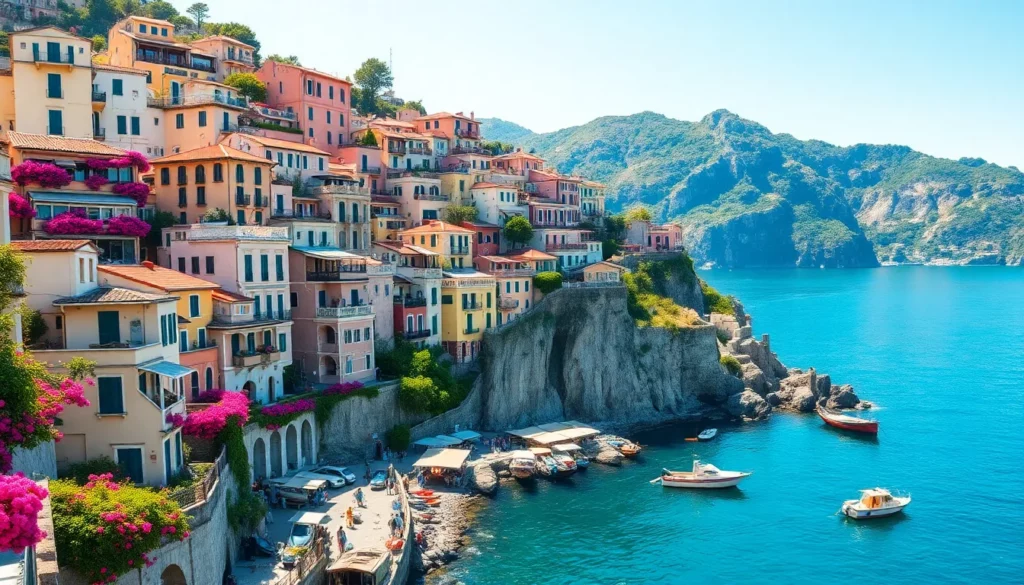
As the main beach of Positano, Spiaggia Grande offers a central location with views of the colorful cascading houses. It is suitable for sunbathing and swimming, though space is limited. Most of the beach is occupied by private lidos requiring rental fees for chairs and umbrellas. A small public section is available, but it fills quickly during summer. This area is best for visitors who want to be in the heart of the action near restaurants and shops.
Church of Santa Maria Assunta
Located in the town center, this historic church is recognizable by its majolica-tiled dome. It houses significant religious art, including a 13th-century Byzantine icon. Visitors should dress modestly, covering shoulders and knees, as it is an active place of worship. Entry may require a small donation or fee, and photography rules should be observed. It serves as a cultural anchor for understanding the town’s history.
Path of the Gods
This famous hiking trail offers panoramic views of the Amalfi Coast from above. The section near Positano provides access points for day hikers. The terrain is rugged and exposed in places, requiring sturdy shoes and water. It is best suited for travelers with moderate fitness levels. Starting early in the morning is recommended to avoid midday heat and crowds. The trail connects various villages, allowing for flexible routing.
Fornillo Beach
Located a short walk from the center, Fornillo is a quieter alternative to Spiaggia Grande. It is family-friendly and less commercialized, with several small restaurants nearby. The water is generally calm, making it suitable for swimming. Access involves walking down a pedestrian path, which is manageable for most visitors. It is an excellent choice for travelers seeking a more relaxed beach experience.
Boat Tours and Rentals
Exploring the coast by water provides perspectives unavailable from land. Small group boat tours depart regularly from the main beach, visiting nearby grottos and villages. Private rentals are available for those with licensing or a hired skipper. This activity is highly dependent on sea conditions and is primarily available from spring through autumn. It is a highlight for photography and accessing secluded coves.
Shopping for Linens and Ceramics
Positano is renowned for its bespoke linen clothing and hand-painted ceramics. Numerous boutiques line the pedestrian streets offering custom tailoring and local crafts. Prices vary significantly based on quality and customization. Visitors should allow time for fittings if purchasing made-to-order items. This experience supports local artisans and provides unique souvenirs distinct to the region.
Where to Eat
Dining in Positano reflects the broader Campanian culinary tradition, emphasizing fresh seafood, local produce, and simple preparations. Seafood dishes such as grilled fish, spaghetti alle vongole (clams), and frittura di paranza (fried small fish) are staples. The region is famous for its lemons, used in desserts, salads, and the digestif limoncello. Pasta varieties often include scialatielli, a short, thick pasta native to the Amalfi Coast.
Meal times generally follow Italian customs, with lunch served between 1:00 PM and 3:00 PM and dinner starting from 7:30 PM onwards. Many kitchens close between these periods. Reservations are highly recommended, especially for dinner during peak season. Travelers should expect a coperto (cover charge) on bills. Street food options are limited, but bakeries offer focaccia and pastries for casual meals. Wine lists focus on local varieties from the Campania region. Visitors with dietary restrictions should communicate clearly, as menus may not always detail allergens.
Where to Stay
Accommodation in Positano is categorized largely by elevation. Lower town areas near Spiaggia Grande offer immediate beach access and convenience but come with higher noise levels and premium pricing. This zone suits first-time visitors and those with mobility concerns who wish to minimize walking. Mid-level accommodations provide a balance of views and accessibility, often requiring some stair climbing but remaining within walking distance of main amenities.
Upper town locations offer quieter atmospheres and panoramic views at relatively lower price points. However, these require significant walking up and down steps to reach the beach or center, which may not suit all travelers. Families often prefer mid-level options for space and tranquility, while couples might choose lower town hotels for romance and convenience. Visitors with cars must confirm parking availability, as many historic properties do not have onsite facilities. Budget travelers may find better value in neighboring towns like Praiano or Sorrento, commuting via bus or ferry.
Suggested Itinerary
2-Day Highlights
Day 1: Arrive and settle in. Spend the afternoon exploring the pedestrian streets and shopping for linens. Visit the Church of Santa Maria Assunta in the late afternoon. Enjoy dinner at a restaurant with a sea view.
Day 2: Morning at Spiaggia Grande or Fornillo Beach. Take an afternoon boat tour along the coast to see the town from the water. Departure or evening relaxation.
4-Day Relaxed Stay
Day 1: Arrival and orientation walk. Visit the main beach and enjoy a welcome dinner.
Day 2: Full day boat excursion to Capri or along the coast. Swim in secluded coves and return for sunset.
Day 3: Morning hike on the Path of the Gods. Afternoon rest and exploration of upper town shops.
Day 4: Day trip to Amalfi or Ravello via bus or ferry. Return to Positano for a final evening meal.
Local Etiquette & Practical Tips
Visitors should dress respectfully when entering religious sites, ensuring shoulders and knees are covered. While the town is casual during the day, evenings often see a smarter casual dress code in restaurants. Tipping is not mandatory as a service charge is usually included, but leaving small change for good service is appreciated. Greetings are important; saying buongiorno (good morning) or buonasera (good evening) upon entering shops is customary.
Credit cards are widely accepted, but carrying some cash is advisable for small purchases, tips, or older establishments. Public restrooms are scarce, so utilizing facilities in cafes or hotels is common practice. Tap water is generally safe, but bottled water is standard in restaurants. Safety is generally high, but standard precautions against pickpocketing in crowded areas apply. The terrain poses a greater risk than crime; watch steps and avoid walking near cliff edges without barriers. Accessibility is limited due to the vertical layout; travelers with mobility issues should plan routes carefully.
Day Trips from Positano
Amalfi
Located just down the coast, Amalfi offers a larger historic center and cathedral. Accessible via SITA bus or ferry. Suitable for a half-day or full-day trip. Ideal for history enthusiasts and shoppers.
Ravello
Perched high above the coast, Ravello is known for gardens and concerts. Requires a bus transfer via Amalfi. Best as a full-day trip for culture and views. Less crowded than coastal towns.
Capri
The famous island is reachable by ferry. Requires a full day to explore Capri and Anacapri. Best during calm sea conditions. Offers upscale shopping and natural arches.
Pompeii
Archaeological park accessible via train from Sorrento or Naples. Requires a full day due to travel time and site size. Essential for history buffs. Combine with Naples if time permits.
Sorrento
A larger town with more transport links and shopping. Accessible via bus or ferry. Good for a half-day trip or logistical base. Offers a different atmosphere with flat terrain.
FAQ
Is Positano worth visiting?
Yes, for its unique vertical architecture, scenic beauty, and access to the Amalfi Coast, though it is best suited for travelers who enjoy walking and scenic environments over nightlife.
How many days do you need in Positano?
A minimum of 2 days covers the highlights, but 3 to 4 days allows for a relaxed pace, boat trips, and day excursions to nearby towns.
Is Positano safe, expensive, or walkable?
Positano is generally safe with low crime. It is considered expensive compared to other Italian destinations. It is walkable but involves steep steps and hills, which may challenge mobility.



Leave a Reply