Short Answer
Getting There
Siena does not have its own commercial airport. The nearest practical airport is Florence Airport (FLR), located approximately 70 kilometers north. Pisa International Airport (PSA) and Rome Fiumicino (FCO) are larger hubs with more international connections but require longer transfer times. From Florence, travelers can reach Siena by bus or train. The bus service, often operated by regional carriers, typically departs from Florence’s main bus station and arrives at Siena’s Piazza Gramsci, offering a direct route that takes roughly one hour and fifteen minutes. Train travel usually requires a change at Empoli or Chiusi, as there is no direct high-speed line, making the journey slightly longer than the bus. From Rome, direct regional trains are available but take approximately two and a half hours. Travelers should verify current schedules and ticket prices with official rail and bus operators before booking, as frequencies may vary by season.
Getting Around
Siena’s historic center is compact and best explored on foot. The city is built on three hills, so visitors should expect steep streets and staircases. Local buses operate within the city and connect the historic center with outer neighborhoods and parking areas. Taxis are available but can be expensive for short distances within the ZTL (Zona a Traffico Limitato), the limited traffic zone that restricts vehicle access to residents only. Driving a car into the historic center is strongly discouraged for tourists due to strict enforcement cameras and heavy fines. Visitors arriving by car should park in designated lots outside the walls, such as Il Campo or San Francesco, and walk or take a local bus inward. Cycling is possible but challenging due to the terrain and cobblestone surfaces. Accessibility can be difficult in the oldest parts of the city due to steps and uneven pavement.
Best Time to Visit
The ideal time to visit Siena is during the shoulder seasons of spring (April to June) and early autumn (September to October). During these months, weather is mild, suitable for walking, and crowds are manageable compared to the peak summer season. Summer, particularly July and August, brings intense heat and significant crowds due to the famous Palio horse races held on July 2nd and August 16th. While the Palio is a unique cultural event, accommodation prices surge, and availability becomes scarce. Winter offers a quiet atmosphere with fewer tourists, though some attractions may have reduced opening hours, and weather can be chilly and rainy. Travelers interested in specific festivals should check official event calendars well in advance, as dates and celebrations can change.
Top Things to Do
Piazza del Campo
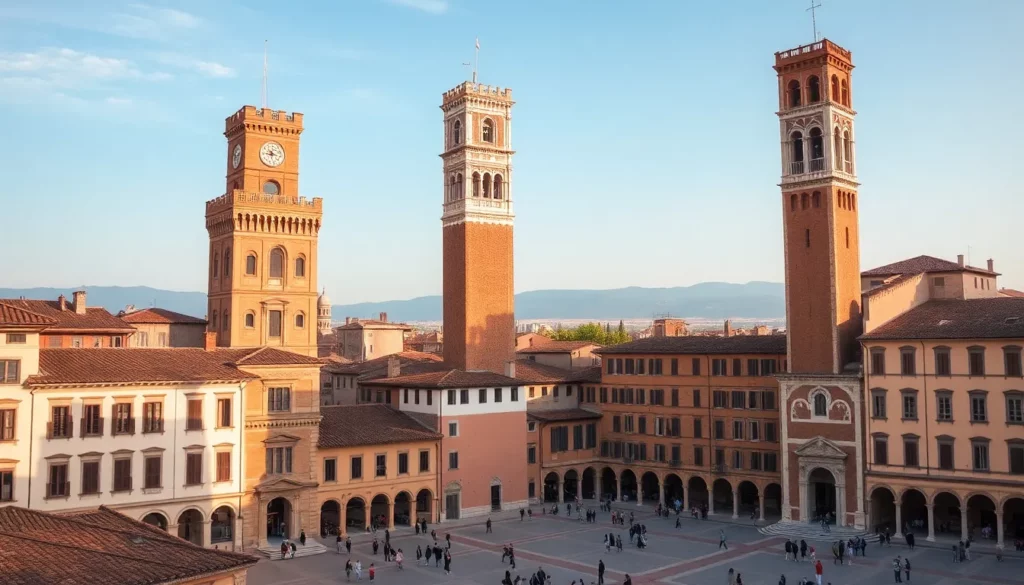
The heart of Siena, this shell-shaped square is one of Europe’s greatest medieval plazas. It serves as the main public space where locals and visitors gather. The site is famous for hosting the Palio horse race twice a year. Visitors can sit on the brick paving, visit the surrounding cafes, or simply admire the architecture. It is accessible all day, though events may restrict access temporarily.
Siena Cathedral (Duomo)
A stunning example of Italian Romanesque-Gothic architecture, the Cathedral features a striking black-and-white striped marble facade. Inside, visitors can view intricate frescoes, sculptures by Donatello, and the famous Piccolomini Library. Climbing the “Facciatone” offers panoramic views over the city. Dress codes are strictly enforced, requiring covered shoulders and knees.
Palazzo Pubblico
Located on the Piazza del Campo, this medieval town hall houses the Civic Museum. It is renowned for its frescoes, including Ambrogio Lorenzetti’s “Allegory of Good and Bad Government.” The building is an active government seat, so access may be limited during official functions. It is essential for understanding Siena’s political history and artistic heritage.
Torre del Mangia
Attached to the Palazzo Pubblico, this tall brick tower offers one of the best vantage points in Tuscany. Climbing the 400 steps rewards visitors with sweeping views of the surrounding countryside and the city’s terracotta rooftops. It is physically demanding and not suitable for those with mobility issues or claustrophobia. Tickets often sell out during peak seasons.
Baptistery of San Giovanni
Located beneath the Cathedral, the Baptistery is accessed via a steep staircase. It contains a magnificent hexagonal font adorned with gilded bronze panels by Ghiberti and Donatello. The interior features vibrant frescoes. Due to its location below street level, it can feel cooler and darker than the main Cathedral.
Santa Maria della Scala
Once one of Europe’s oldest hospitals, this complex is now a museum and cultural center. It features archaeological exhibits, medieval halls, and contemporary art installations. The site provides insight into the city’s social history and healthcare evolution. It is a good option for rainy days as much of it is indoors.
Explore the Contrade
Siena is divided into 17 historic districts known as Contrade, each with its own church, museum, and fountain. Walking through these neighborhoods offers a glimpse into local life beyond the main tourist sites. Each Contrada has a distinct animal symbol and colors. Visiting the small museums within them provides context for the Palio rivalry and community spirit.
City Walls and Gates
Remnants of the medieval fortifications still stand, including notable gates like Porta Camollia. Walking along the outer edges of the historic center provides perspective on the city’s defensive history. Some sections offer green spaces for picnics with views over the Tuscan hills. It is a free activity suitable for a relaxing afternoon.
Where to Eat
Sienese cuisine is robust and rooted in Tuscan traditions, emphasizing high-quality local ingredients. Key specialties include Pici, a hand-rolled thick pasta often served with garlic and tomato (aglione) or meat ragù. Ribollita, a hearty vegetable and bread soup, is common in colder months. For sweets, try Panforte, a dense fruit and nut cake, and Ricciarelli, almond-based cookies. Meals are typically structured with antipasto, primo, secondo, and dolce. Lunch is usually served between 12:30 PM and 2:30 PM, while dinner begins around 7:30 PM. Many kitchens close between meals. Wine from the Chianti Classico and Brunello di Montalcino regions is widely available. Visitors should look for menus featuring seasonal items and avoid tourist traps immediately surrounding the Piazza del Campo for better value.
Where to Stay
First-time visitors often prefer staying within the historic walls for immediate access to major sights. This area offers atmospheric medieval hotels and apartments but can be noisy during festivals and lacks parking. Budget travelers might find better rates in neighborhoods just outside the walls, such as Terzo di San Martino, which are still within walking distance. Families and visitors with cars should consider accommodations outside the ZTL to avoid parking fines and facilitate easier loading and unloading. Couples seeking romance may enjoy boutique hotels in restored palazzos. Agriturismo options in the surrounding countryside provide a tranquil alternative but require a car for daily commutes into the city. Regardless of location, booking well in advance is crucial during the Palio races and summer high season.
Suggested Itinerary
Two-Day Highlights
Day 1: Start at Piazza del Campo, visit the Palazzo Pubblico and climb the Torre del Mangia. Have lunch nearby, then explore the Siena Cathedral and Baptistery in the afternoon. End with dinner in the historic center.
Day 2: Visit Santa Maria della Scala in the morning. Spend the afternoon walking through the Contrade neighborhoods and visiting their museums. Enjoy a leisurely evening meal focusing on local pasta specialties.
Four-Day Relaxed Stay
Day 1: Arrival and orientation walk. Visit Piazza del Campo and Duomo.
Day 2: Deep dive into art and history at Palazzo Pubblico and Santa Maria della Scala.
Day 3: Day trip to San Gimignano or Monteriggioni. Return for a quiet dinner.
Day 4: Explore outer city walls, shop for local ceramics and sweets, and visit any missed sites before departure.
Local Etiquette & Practical Tips
Visitors should dress modestly when entering religious sites; shoulders and knees must be covered. Greetings are important; a polite “Buongiorno” (Good day) or “Buonasera” (Good evening) upon entering shops is expected. Tipping is not mandatory but leaving small change for good service is appreciated. Credit cards are widely accepted, but carrying some cash is useful for small purchases or markets. Be extremely cautious regarding ZTL zones; unauthorized entry results in automatic fines. Pickpocketing can occur in crowded areas, so keep valuables secure. Many shops close on Sundays and Monday mornings. English is commonly spoken in tourist areas, but learning basic Italian phrases enhances the experience. Tap water is generally safe to drink from public fountains.
Day Trips from Siena
San Gimignano
Known for its medieval towers, this hill town is about 40 kilometers away. It is best visited as a half-day or full-day trip. Bus connections are available, though a car offers more flexibility. It can be crowded during midday.
Monteriggioni
A small, walled village located roughly 15 kilometers north. It is famous for its intact circular walls and towers. Easily reachable by bus or car, it suits a half-day visit for history enthusiasts.
Chianti Region
The wine-producing area between Siena and Florence offers vineyard tours and tastings. Driving is recommended to explore multiple estates. Full-day trips allow time for lunch at a winery.
Montalcino
Home of Brunello wine, this town is south of Siena. It features a fortress and excellent dining options. A car is preferred for this trip. It combines well with wine tasting activities.
FAQ
Is Siena worth visiting?
Yes, Siena is essential for lovers of medieval history, art, and Tuscan culture, offering a compact yet rich experience distinct from Florence.
How many days do you need in Siena?
Two days are sufficient for the main sights, but four days allow for a relaxed pace and day trips to surrounding hill towns.
Is Siena safe, expensive, or walkable?
Siena is generally safe and highly walkable, though costs can be high during peak seasons and the h terrain requires good mobility.
Leave a Reply