Short Answer
Getting There
Sardinia is an Italian island located in the Mediterranean Sea, accessible primarily by air or sea. There are three main international airports: Cagliari-Elmas (CAG) in the south, Olbia-Costa Smeralda (OLB) in the northeast, and Alghero-Fertilia (AHO) in the northwest. Direct flights operate from major European hubs, while connections from mainland Italy often route through Rome Fiumicino (FCO) or Milan Malpensa (MXP). During peak summer months, flight frequency increases significantly, but prices rise accordingly.
Ferry services provide an alternative for travelers bringing vehicles or preferring a scenic arrival. Regular car ferries depart from mainland ports including Genoa, Livorno, Civitavecchia (near Rome), and Naples. Operators such as Tirrenia, Grimaldi Lines, and Corsica Ferries manage these routes. Crossing times vary from approximately five hours from Civitavecchia to over ten hours from Genoa. Schedules are reduced during the winter season, and vehicle reservations are strongly recommended during July and August. Upon arrival at ports or airports, public transport links exist but are often limited compared to mainland cities, making pre-arranged transfers or car rentals a common choice.
Getting Around
Renting a car is highly recommended for most visitors wishing to explore beyond the main towns. While urban centers like Cagliari and Alghero are walkable, the island’s most famous beaches, archaeological sites, and mountain villages are dispersed across rugged terrain. Public bus services, primarily operated by ARST, connect major towns and some coastal areas, but frequencies can be low, especially on weekends and during the off-season. The train network, managed by Trenitalia and Ferrovie della Sardegna, offers scenic routes but covers limited geography compared to the road network.
Taxis and ride-hailing services are available in larger towns and near airports but can be expensive for long distances. Cycling is popular in specific areas, though the hilly interior and hot summers present challenges. Visitors driving should be aware of Zona a Traffico Limitato (ZTL) zones in historic city centers where unauthorized vehicle access is restricted and fined. Parking in coastal towns during summer can be difficult, requiring early arrival at popular beaches. Road conditions are generally good on main highways, but secondary roads into the interior may be narrow and winding.
Best Time to Visit
The ideal time to visit Sardinia depends on whether your priority is beach weather, hiking, or cultural exploration without crowds. Late spring (May to June) and early autumn (September to October) offer the best balance of warm weather, manageable crowd levels, and open amenities. During these months, daytime temperatures typically range from 20°C to 28°C, suitable for swimming and outdoor activities.
Summer (July and August) brings high temperatures, often exceeding 30°C, and significant crowds, particularly in the Costa Smeralda and popular southern beaches. Prices for accommodation and car rentals peak during this period, and some locals close businesses for their own holidays in August. Winter (November to March) is quiet and mild compared to northern Europe, with temperatures rarely dropping below 10°C, but many tourist-focused businesses, especially in coastal resorts, close for the season. This period suits travelers interested in hiking, birdwatching, and experiencing local life without tourism pressure. Religious festivals occur throughout the year, with Easter celebrations being particularly significant; verify specific dates annually as they change.
Top Things to Do
Explore Cagliari’s Castello District
The historic capital in the south offers a blend of Pisan architecture, museums, and panoramic views. The Castello district features fortified walls, the Cagliari Cathedral, and the National Archaeological Museum, which houses essential Nuragic artifacts. It suits history buffs and urban explorers looking for dining and shopping within a walkable area.
Visit Nuraghe Su Nuraxi
Located near Barumini, this UNESCO World Heritage site is the most significant example of Nuragic civilization architecture. The complex includes a central tower and surrounding village ruins dating back to the Bronze Age. It is essential for understanding the island’s unique prehistory and requires guided access for the interior towers.
Relax on Costa Smeralda Beaches
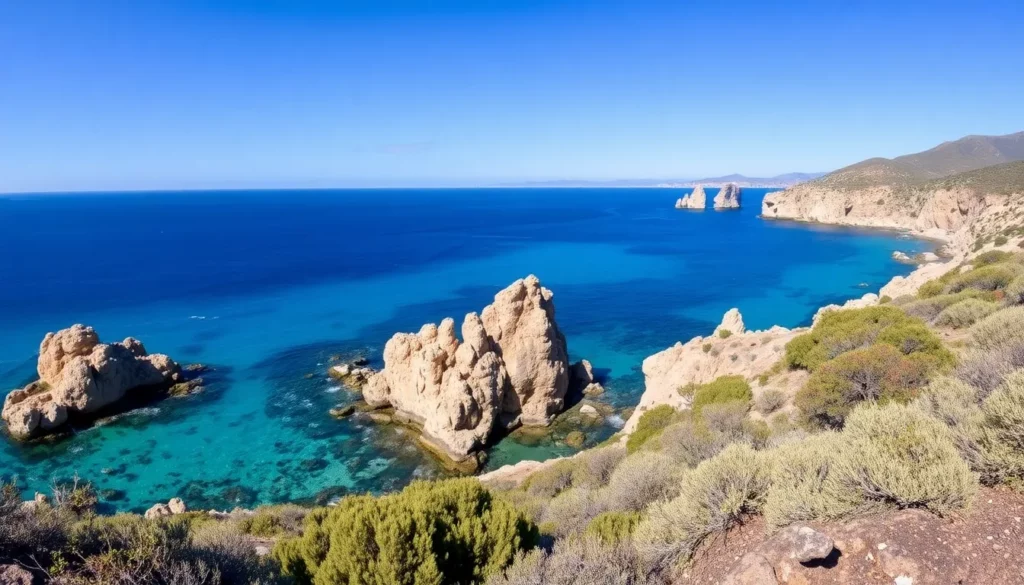
The northeast coast is renowned for granite rock formations and turquoise waters. Areas like Porto Cervo and Poltu Quatu offer high-end amenities, while nearby public beaches provide access to the same waters. This area suits luxury travelers and sailing enthusiasts, though public access points exist for budget visitors.
Sail the La Maddalena Archipelago
This national park comprises several islands northeast of Sardinia, known for protected marine environments and secluded coves. Boat tours depart from Palau and La Maddalena town, offering swimming stops at Spiaggia Rosa and other protected beaches. It is ideal for nature lovers and photographers seeking pristine landscapes.
Walk Alghero’s Historic Center
Known as Little Barcelona due to Catalan heritage, Alghero features cobblestone streets, Gothic architecture, and seafront bastions. The town offers a distinct cultural identity within Sardinia, with unique dialect influences and seafood-focused dining. Evening walks along the harbor are a primary attraction.
Hike Gorropu Gorge
Located in the Supramonte mountains, this limestone canyon is one of the deepest in Europe. Hiking routes vary in difficulty, with some requiring guides for technical sections. It suits active travelers interested in geology and rugged inland scenery away from the coast.
Discover Tharros Ruins
These ancient Phoenician and Roman ruins sit on a peninsula near Oristano, offering archaeological insights alongside sea views. The site is partially excavated and open to the elements, providing a atmospheric experience. It is easily combined with a visit to nearby San Giovanni di Sinis beaches.
Swim at Cala Goloritzé
Accessible via a hiking trail or boat, this beach features a distinctive limestone arch and clear waters. The hike takes approximately one hour each way and requires proper footwear. It suits fit travelers willing to trek for a reward of exceptional natural beauty.
Where to Eat
Sardinian cuisine is distinct from mainland Italian food, emphasizing roasted meats, sheep’s cheese, and seafood. Signature dishes include Porceddu (suckling pig roasted over myrtle wood), Culàrgia (filled pasta similar to ravioli), and Sebadas (fried pastry with cheese and honey). Coastal areas specialize in lobster, bottarga (cured fish roe), and shellfish stews like Cassola.
Meal timing follows Italian norms, with lunch typically served between 1:00 PM and 3:00 PM and dinner after 8:00 PM. Many kitchens close between meal times, so planning is necessary. Wine culture is significant, with Cannonau (red) and Vermentino (white) being the primary regional varieties. Markets in Cagliari and other towns offer local cheeses, cured meats, and bread like Pane Carasau for picnic supplies. Tipping is not obligatory but leaving small change for good service is appreciated.
Where to Stay
Accommodation choices depend heavily on your itinerary focus. Cagliari is best for first-time visitors wanting city culture, museums, and transport links without a car. The Costa Smeralda and Olbia area suit travelers seeking luxury resorts, sailing, and northeast beaches, though costs are higher. Alghero offers a charming historic base for exploring the northwest coast and coral reefs.
Villasimius and Chia in the south are ideal for families and beach-focused trips, offering a range of apartments and hotels near calm waters. Interior agriturismos (farm stays) provide an authentic experience for those with a car, focusing on food and hiking rather than swimming. Budget travelers should look for hostels in Cagliari or self-catering apartments in smaller towns. Note that many coastal hotels operate seasonally and may close from October to March.
Suggested Itinerary
2-Day Highlights
Day 1: Arrive in Cagliari. Explore the Castello district, visit the Archaeological Museum, and enjoy dinner in the Marina neighborhood. Day 2: Take a morning trip to Villasimius or Nora ruins south of the city. Return to Cagliari for evening shopping and departure.
4-Day Coastal and Culture
Day 1: Arrive in Olbia. Transfer to Costa Smeralda for beach time and harbor views. Day 2: Boat trip to La Maddalena Archipelago. Day 3: Drive west to Alghero. Explore the historic center and Neptune’s Grotto. Day 4: Visit nearby Nuragic sites or beaches before departing from Alghero or returning to Olbia.
Local Etiquette & Practical Tips
Dress modestly when entering churches, covering shoulders and knees, as strict enforcement occurs at major religious sites. Greetings are important; a simple “Buongiorno” (good day) or “Buonasera” (good evening) upon entering shops is expected. While English is spoken in tourist areas, learning basic Italian phrases is respected. Credit cards are widely accepted, but small cash amounts are useful for markets, small cafes, or parking meters.
Security is generally good, but standard precautions against pickpocketing apply in crowded markets and transport hubs. Do not leave valuables visible in rental cars, especially at beach parking lots. Accessibility varies; historic centers often have cobblestones and steps, while modern beaches may have limited facilities for mobility impairments. Smoking is prohibited in enclosed public spaces. Tap water is generally safe in cities but often sourced from wells in rural areas; bottled water is common.
Day Trips from Sardinia
While Sardinia itself is a destination, specific hubs offer excursions. From Cagliari, the ancient ruins of Nora and the beaches of Villasimius are reachable within an hour by car or bus. From Olbia, the Costa Smeralda villages and the ferry to La Maddalena island are convenient half-day trips. From Alghero, the Capo Caccia cliffs and Neptune’s Grotto are accessible via road or boat. For a longer extension, consider a ferry to the nearby island of Corsica, France, from Bonifacio, though this requires careful schedule planning and passport checks. Verify ferry schedules and opening hours for archaeological sites before departing, as seasonal changes affect availability.
FAQ
Is Sardinia worth visiting?
Yes, Sardinia offers unique archaeological history, distinct cuisine, and some of the Mediterranean's best beaches, suitable for both relaxation and active exploration.
How many days do you need in Sardinia?
A minimum of 4 days is recommended for one region, while 7 to 10 days allows for a more relaxed pace covering both north and south highlights.
Is Sardinia safe, expensive, or walkable?
Sardinia is generally safe with standard tourist precautions. Costs vary widely, with the north being more expensive. Walkability is high in towns but a car is needed for most sights.
Leave a Reply