Short Answer
What It Is
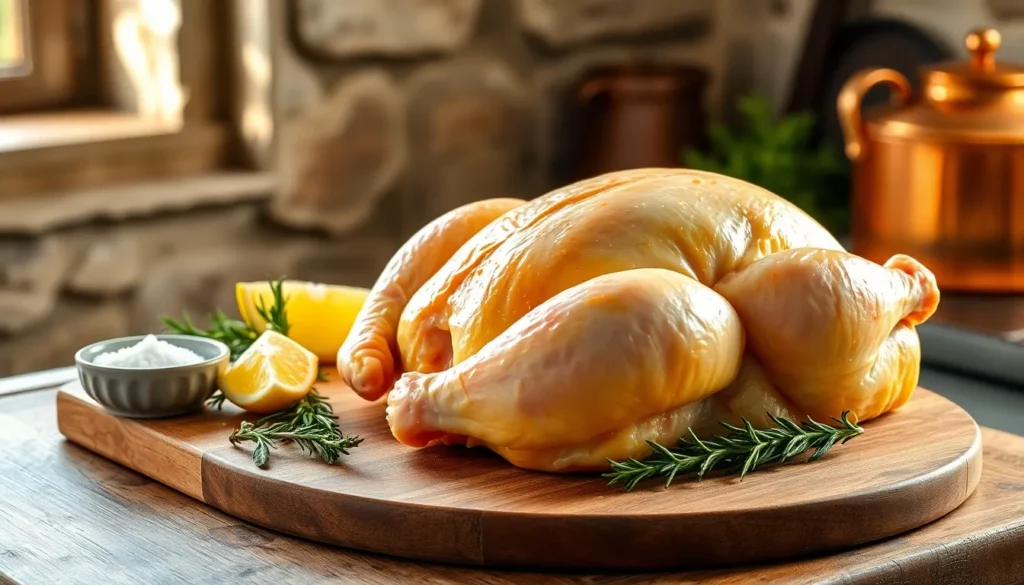
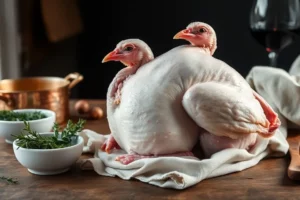
Pollo is the Italian word for chicken, a cornerstone of Italian home cooking and regional gastronomy. While Italy does not have a DOP (Denominazione di Origine Protetta) or IGP (Indicazione Geografica Protetta) for fresh chicken, the country boasts a deep tradition of poultry farming that emphasizes quality, breed diversity, and sustainable methods. The most celebrated Italian chicken breeds include the Pollo di Bresse (though originally French, it is raised in parts of Piedmont and Lombardy under strict AOC rules) and the Pollo di Romagna, a heritage breed from Emilia-Romagna known for its firm flesh and rich flavor. Production methods vary from intensive farming to free-range (polli ruspanti) and organic (biologico) systems, with the latter two increasingly prized for their superior taste and ethical standards. The Italian Ministry of Agricultural Policies and Slow Food Foundation have cataloged several traditional poultry products, such as Cappone di Bresse and Gallina di Padova, though these are often processed or aged. In essence, authentic pollo in Italy is defined by its breed, diet, and rearing environment, which together create a product that is both versatile and deeply flavorful.
Types & Grades
Italian chicken is categorized by age, sex, diet, and farming method. The following table outlines the primary types and their culinary applications:
| Type | Description | Typical Use |
|---|---|---|
| Pollo (young chicken) | 4–6 months old, tender meat, mild flavor | Roasting, grilling, frying, stews |
| Cappone (capon) | Castrated male, 6–8 months, very tender and fatty | Roasting, braising, festive dishes |
| Gallina (hen) | Adult female, 1–2 years, firmer meat, intense flavor | Brodo (stock), long-cooked stews |
| Pollo ruspante (free-range) | Raised outdoors, diet of grains and insects, yellow fat | Roasting, grilling, traditional recipes |
| Pollo biologico (organic) | Certified organic feed, no antibiotics, free-range | All preparations, premium quality |
| Pollo al mais (corn-fed) | Diet rich in corn, deep yellow skin and fat | Roasting, presentation dishes |
| Heritage breeds (e.g., Bresse, Romagna) | Specific genetic lines, slow growth, superior flavor | High-end gastronomy, special occasions |
Grades are also determined by the class of the bird: Prima (first quality) indicates a well-fleshed, healthy bird with intact skin; Seconda may have minor imperfections. For the most discerning cooks, heritage breeds and free-range labels are the gold standard.
How It’s Used in Cooking
Pollo is the foundation of countless Italian dishes, from rustic country fare to refined regional specialties. Its versatility allows it to be roasted, braised, grilled, fried, or simmered. Below are iconic preparations that showcase the ingredient’s range:
Classic Dishes
- Pollo alla cacciatora – Hunter-style chicken braised with tomatoes, onions, wine, and herbs (rosemary, sage). A staple of central Italy.
- Pollo alla parmigiana – Breaded chicken cutlets topped with tomato sauce, mozzarella, and Parmigiano-Reggiano, baked until golden.
- Pollo arrosto – Simple roast chicken, often seasoned with garlic, rosemary, and lemon, cooked slowly to achieve crispy skin and juicy meat.
- Pollo in umido – Braised chicken with vegetables, white wine, and broth, typical of Lombardy and Piedmont.
- Brodo di pollo – Chicken broth, the soul of Italian soups like tortellini in brodo and stracciatella. Made with an older hen for depth.
- Pollo fritto – Italian-style fried chicken, often marinated in lemon and herbs, then dusted with flour and fried.
“Il pollo è la carne che unisce tutte le cucine regionali: umile ma nobile, semplice ma capace di grandi trasformazioni.” – Traditional Italian saying
In professional kitchens, pollo is also used for galantine, supreme (breast with wing bone), and cotechino-style sausages. The fat is rendered for confit, and the bones are reserved for stock.
How to Choose/Identify Authentic Pollo
Selecting high-quality pollo requires attention to several cues. Follow this practical guide to ensure you bring home authentic, flavorful chicken:
- Check the label: Look for ruspante (free-range), biologico (organic), or allevato all’aperto (outdoor-raised). Avoid terms like allevato a terra (barn-raised) unless specified as free-range.
- Examine the skin: A healthy chicken has pale yellow to golden skin (especially if corn-fed). Avoid birds with blotchy, bruised, or excessively pale skin.
- Smell and touch: Fresh pollo should have a clean, neutral scent. The flesh should be firm and spring back when pressed. Any sour or ammonia odor indicates spoilage.
- Look for breed names: Heritage breeds like Pollo di Bresse or Pollo di Romagna are often sold with certification. For processed products (e.g., cappone), seek IGP or DOP labels where applicable.
- Buy from a trusted source: Local butchers, farmers’ markets, or specialty Italian grocers are more likely to carry authentic, high-quality birds. Supermarket chicken may be mass-produced and lack flavor.
- Consider the price: Genuine free-range or organic pollo costs more due to longer rearing times and better feed. Extremely cheap chicken is often industrially farmed.
For the most discerning palates, the Pollo di Bresse (AOC from France but also raised in Italy) is considered the finest, with a delicate texture and nutty flavor. In Italy, the Pollo di Romagna is a Slow Food Presidium product, ensuring traditional farming methods.
Substitutes
When pollo is unavailable or a different flavor profile is desired, Italian cuisine offers several authentic substitutes:
- Tacchino (turkey) – Leaner and milder, turkey works well in recipes like pollo alla cacciatora or pollo arrosto. Use breast for cutlets or thighs for braises.
- Faraona (guinea fowl) – Slightly gamey and firmer, guinea fowl is a traditional substitute in Tuscan and Umbrian stews. It requires longer cooking but yields a richer taste.
- Coniglio (rabbit) – Common in central and southern Italy, rabbit can replace pollo in in umido or alla cacciatora. Its lean meat benefits from braising.
- Vitello (veal) – For dishes like pollo alla parmigiana, thin veal cutlets (scaloppine) are a classic alternative, offering tenderness and a delicate flavor.
- Anatra (duck) – For richer preparations, duck provides a fattier, more intense taste. Use in pollo arrosto recipes with fruit or wine.
Each substitute brings its own character; choose based on the dish’s cooking method and desired richness.
In summary, pollo is a versatile and beloved ingredient in Italian cuisine, with a heritage that spans centuries. By understanding its types, selecting authentic birds, and mastering traditional cooking techniques, you can bring the true taste of Italy to your table.
FAQ
What is the best chicken for making brodo (Italian chicken broth)?
The best chicken for brodo is an older hen (gallina), typically 1–2 years old, as its firmer meat and higher collagen content yield a richer, more flavorful stock. Free-range or organic hens are preferred for their depth of taste.
Is Pollo di Bresse Italian?
Pollo di Bresse originates from the Bresse region of France and holds a French AOC (Appellation d'Origine Contrôlée). However, it is also raised in parts of Piedmont and Lombardy in Italy under strict regulations, and is highly prized in Italian haute cuisine.
How can I tell if a chicken is truly free-range (pollo ruspante)?
Look for labels that explicitly state 'allevato all'aperto' or 'ruspante' and check for certification logos (e.g., organic EU leaf). The chicken should have a slightly yellow fat (from diet), firm flesh, and a more pronounced chicken aroma. Avoid birds with pale, watery meat.

Leave a Reply