Short Answer
What It Is
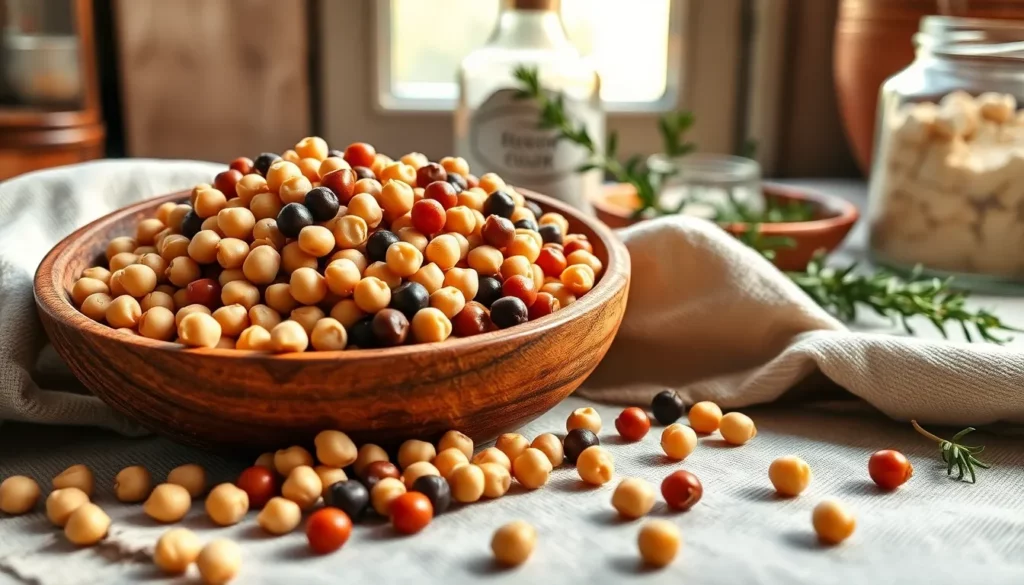
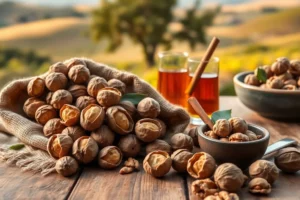
Chickpeas (Cicer arietinum) are one of the oldest cultivated legumes, with archaeological evidence dating back over 7,500 years in the Middle East. In Italy, they have been a dietary staple since Roman times, particularly in the central and southern regions. The plant is an annual herbaceous legume that produces pods containing one or two seeds. The seeds are round to angular, with a characteristic bumpy surface and a beige, black, or green color depending on the variety.
Italy boasts several Protected Designation of Origin (DOP) and Protected Geographical Indication (PGI) chickpea varieties, which are legally protected for their unique qualities tied to specific terroirs:
- Cece di Cicerale DOP – from the Cilento area in Campania, small, irregular, and reddish-brown, with a thin skin and sweet flavor.
- Cece di Sannicola DOP – from the Salento peninsula in Apulia, medium-sized, light beige, with a delicate, buttery texture.
- Cece di Valle di Comino PGI – from the Lazio region, large, round, and pale yellow, known for its firm skin and floury interior.
- Cece di Villa Campofranco – a traditional variety from Sicily, small and dark, prized for its intense earthy taste.
These legumes thrive in well-drained, calcareous soils and a Mediterranean climate. Harvesting occurs in late summer, after which the chickpeas are dried for preservation. The drying process is crucial: slow, natural drying under the sun preserves the bean’s integrity and flavor, while industrial drying can compromise quality.
Types & Grades
Chickpeas are broadly classified into two main types: Kabuli and Desi. Kabuli chickpeas are large, round, and light-colored, with a thin skin; they are the type most commonly found in Western markets. Desi chickpeas are smaller, darker, and have a thicker, rougher seed coat; they are more common in Indian and Ethiopian cuisines. In Italy, the preferred varieties are almost exclusively Kabuli types, but with distinct local landraces.
The following table summarizes the primary Italian chickpea varieties and their characteristics:
| Variety | Region | Size & Color | Skin | Flavor Profile | DOP/PGI |
|---|---|---|---|---|---|
| Cece di Cicerale | Campania | Small, reddish-brown | Thin | Sweet, nutty | DOP |
| Cece di Sannicola | Apulia | Medium, light beige | Thin | Buttery, delicate | DOP |
| Cece di Valle di Comino | Lazio | Large, pale yellow | Firm | Floury, earthy | PGI |
| Cece di Villa Campofranco | Sicily | Small, dark brown | Thick | Intense, rustic | None (traditional) |
| Kabuli (generic) | Various | Large, cream | Thin | Mild, buttery | None |
Grades are also determined by size (measured in millimeters) and uniformity. Professional kitchens often prefer larger, uniform chickpeas for even cooking and presentation. Dried chickpeas are graded as extra (largest, minimal defects), first (good size, few defects), and second (smaller, more broken).
How It’s Used in Cooking
Chickpeas are incredibly versatile in Italian cuisine, appearing in soups, salads, pasta dishes, and even baked goods. Their ability to absorb flavors while maintaining a creamy interior makes them a favorite among chefs.
Traditional Dishes
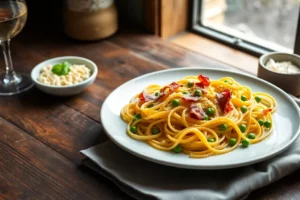
- Pasta e Ceci – A classic Roman and Neapolitan soup of pasta (often ditalini or broken spaghetti) and chickpeas, simmered with garlic, rosemary, and tomato. The chickpeas are often partially mashed to thicken the broth.
- Farinata di Ceci – A Ligurian flatbread made from chickpea flour, water, olive oil, and salt, baked until golden. It is a staple of street food and also known as cecina in Tuscany.
- Ceci in Umido – Stewed chickpeas with tomatoes, onions, and herbs, often served as a side dish or over crostini.
- Insalata di Ceci – A simple salad of boiled chickpeas with lemon, olive oil, parsley, and sometimes tuna or red onion.
- Panelle – Sicilian chickpea fritters, made from chickpea flour batter, fried and served in a sandwich.
Professional Kitchen Applications
In high-end restaurants, chickpeas are used in purées, as a base for veloutés, or even dehydrated and ground into flour for gluten-free pasta. The cooking liquid (aquafaba) is a popular vegan egg substitute. Chefs often soak dried chickpeas overnight with a pinch of baking soda to soften the skins, then cook them slowly with aromatics like sage, bay leaf, and garlic.
“The chickpea is a humble legume that, when treated with respect, reveals a depth of flavor that rivals any ingredient. In Italy, we celebrate its simplicity.” – Massimo Bottura, Osteria Francescana
How to Choose/Identify Authentic Chickpeas
For the best culinary results, selecting authentic, high-quality chickpeas is essential. Here is a practical buying guide:
- Look for DOP/PGI labels – If you want the true taste of a specific Italian region, seek out Cece di Cicerale DOP, Cece di Sannicola DOP, or Cece di Valle di Comino PGI. These certifications guarantee origin, production methods, and quality.
- Check the harvest year – Freshly harvested dried chickpeas (within one year) cook faster and have a sweeter flavor. Older chickpeas become hard and may never soften properly.
- Examine appearance – Authentic Italian chickpeas are typically uniform in size and color, with minimal cracks or insect damage. The skin should be intact and not overly wrinkled.
- Smell test – Fresh chickpeas have a mild, nutty aroma. Any musty or sour smell indicates poor storage or age.
- Prefer dried over canned – Canned chickpeas are convenient but often contain preservatives and have a softer, less flavorful texture. For authentic Italian dishes, dried chickpeas are strongly recommended.
- Source from reputable purveyors – Italian specialty stores, online retailers like Gustiamo or Eataly, and farmers’ markets are reliable sources. Avoid bulk bins with unknown origin.
When buying dried chickpeas, also consider the skin thickness. Thin-skinned varieties (like Cece di Cicerale) are ideal for purées and soups, while thick-skinned ones (like Cece di Valle di Comino) hold their shape better in salads and stews.
Substitutes
While no substitute perfectly replicates the unique texture and flavor of Italian chickpeas, several Italian legumes can be used in specific contexts:
- Fava Beans (Fave) – In southern Italy, dried fava beans are often used in soups and purées similar to chickpeas. They have a stronger, earthier flavor and a creamier texture when skinned. Use in macco di fave or as a side dish.
- Lentils (Lenticchie) – Particularly the small, brown lentils from Castelluccio di Norcia PGI. They cook quickly and are excellent in soups and salads, though they lack the chickpea’s nuttiness. Use in zuppa di lenticchie.
- Cannellini Beans – These white kidney beans are a staple of Tuscan cuisine. They have a mild, creamy texture and are often used in ribollita or fagioli all’uccelletto. They can replace chickpeas in salads and stews, but the flavor is less pronounced.
- Chickpea Flour (Farina di Ceci) – For dishes like farinata or panelle, chickpea flour is the only authentic option. However, in a pinch, a blend of rice flour and potato starch can mimic the texture, though the flavor will differ.
When substituting, consider the dish’s purpose. For a creamy soup, fava beans or cannellini work well. For a salad that requires a firm bite, lentils or even borlotti beans can be used. Always adjust cooking times and liquid ratios accordingly.
Conclusion
Chickpeas are far more than a simple pantry staple; they are a testament to Italy’s agricultural heritage and culinary ingenuity. From the sun-drenched fields of Campania to the kitchens of Michelin-starred restaurants, these legumes offer a world of flavor and texture. By understanding the different varieties, their DOP/PGI protections, and how to select and use them authentically, you can elevate your cooking and honor a tradition that spans millennia. Whether you are making a rustic pasta e ceci or a refined chickpea purée, the key is to start with the best ingredients and treat them with the respect they deserve.
FAQ
What is the difference between Kabuli and Desi chickpeas?
Kabuli chickpeas are large, round, and light-colored with a thin skin, commonly used in Italian and Western cuisines. Desi chickpeas are smaller, darker, and have a thicker, rougher seed coat, more typical in Indian and Ethiopian cooking. Italian DOP varieties are all Kabuli types.
How should I store dried chickpeas to maintain freshness?
Store dried chickpeas in an airtight container in a cool, dark, dry place. They can last up to a year, but for best flavor and cooking performance, use within 6–8 months. Avoid exposure to moisture or heat, which can cause hardening or spoilage.
Can I substitute canned chickpeas for dried in traditional Italian recipes?
While canned chickpeas are convenient, they often have a softer texture and less pronounced flavor. For authentic dishes like pasta e ceci or farinata, dried chickpeas are strongly recommended. If using canned, rinse them well and adjust cooking times, as they are already cooked.
Leave a Reply