
Short Answer
Getting There
The primary gateway for travelers visiting Polignano a Mare is the Bari Karol Wojtyła Airport (BRI), located approximately 40 kilometers northwest of the town. This international hub receives flights from major Italian cities like Rome and Milan, as well as seasonal connections from across Europe. Upon arrival, visitors can reach Polignano a Mare via rental car, private transfer, or public transport. The most efficient public transport option involves taking a shuttle or taxi from the airport to Bari Centrale railway station, followed by a regional train ride directly to Polignano a Mare station. The train journey from Bari typically takes around 30 minutes on the Adriatic line, offering frequent service throughout the day. Travelers driving from northern Italy usually utilize the A14 motorway, exiting at Polignano a Mare. Those arriving from Rome should note that the drive takes approximately four to five hours via the A1 and A16 highways before connecting to the A14. It is essential to verify current train schedules and airport transfer options before departure, as frequencies may change seasonally.
Getting Around
Polignano a Mare is highly walkable, particularly within the historic center and along the coastal promenades. The town’s compact layout means most major attractions, restaurants, and beaches are accessible on foot. However, visitors should be acutely aware of the Zona a Traffico Limitato (ZTL), or Limited Traffic Zone, which restricts vehicle access in the historic center to residents only. Unauthorized entry into the ZTL can result in significant fines enforced by automated cameras. For those arriving by car, it is advisable to park in designated lots outside the historic walls, such as those near the train station or along the perimeter roads, and proceed on foot. Local buses connect the town with neighboring municipalities, but for exploring the wider Puglia region, a rental car offers greater flexibility. Taxis and ride-hailing services are available but may be less frequent than in larger cities. Cycling is becoming more popular, though the steep cliffs and cobblestone streets in the center can present challenges for casual riders.
Best Time to Visit
The optimal time to visit Polignano a Mare depends on whether you prioritize weather, crowds, or budget. The shoulder seasons of spring (April to June) and autumn (September to October) offer the most balanced experience. During these months, temperatures are pleasant for walking and sightseeing, typically ranging from 18 to 25 degrees Celsius, and the summer crowds have not yet peaked or have subsided. Summer (July and August) brings high temperatures, often exceeding 30 degrees Celsius, and significant crowds, particularly in August when many Italians take their holidays. While the sea is warmest during this period, beaches and restaurants are busiest, and prices are at their highest. Winter (November to March) is quiet, with many seasonal businesses closing, but it offers a peaceful atmosphere for travelers interested in photography and local culture without the tourist pressure. Travelers should also check the calendar for local festivals, such as the Red Bull Cliff Diving event usually held in summer, which draws large spectators and affects accommodation availability.
Top Things to Do
Lama Monachile Beach
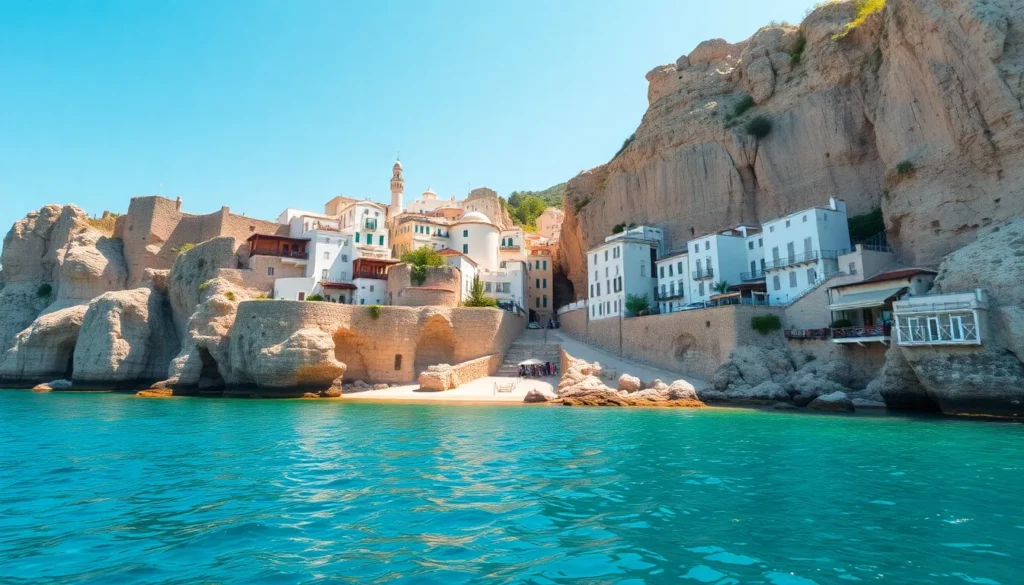
Often cited as one of the most beautiful beaches in Italy, Lama Monachile is a pebble beach nestled between two dramatic limestone cliffs directly beneath the historic center. It is the iconic image of Polignano a Mare and a must-visit for photographers. Access is via a staircase from the town above. During peak season, space is limited, so arriving early is recommended. Swimming conditions depend on sea state, and lifeguards are typically present during summer months.
Centro Storico (Historic Center)
The whitewashed old town is a labyrinth of narrow streets, arches, and balconies overflowing with flowers. Wandering these streets allows visitors to appreciate the medieval architecture and discover hidden viewpoints overlooking the Adriatic Sea. It is best explored on foot, allowing time to peek into artisan shops and small churches. The atmosphere is particularly magical in the evening when the streets are illuminated.
Ponte Borbonico
This historic bridge connects the old town with the newer parts of the municipality and offers one of the best vantage points for viewing the coastline and Lama Monachile. It is a popular spot for sunset viewing. The bridge itself is a feat of engineering from the Bourbon era and provides a safe pedestrian walkway over the ravine.
Grotta Palazzese
While known internationally for its restaurant located inside a sea cave, the cave itself is a geological wonder visible from the outside. Visitors can view the entrance from the coastal walkways or book a boat tour to see it from the water. It represents the unique interaction between human habitation and natural limestone formations in the region.
Statue of Domenico Modugno
Located on a balcony overlooking the sea, this bronze statue honors the famous Italian singer and songwriter Domenico Modugno, who was born in Polignano a Mare. He is best known for the song “Volare.” The spot is a cultural landmark and offers a poignant moment of reflection combined with excellent sea views.
Church of Santa Maria Assunta
Situated in the main square, this church dates back to the 13th century and features a mix of architectural styles due to various renovations over the centuries. It houses significant religious art and provides insight into the spiritual history of the town. Visitors should dress modestly when entering, covering shoulders and knees.
Coastal Walkways
A network of paths runs along the cliffs outside the historic center, offering breathtaking views of the caves and sea. These walks are suitable for most fitness levels and provide opportunities to find quieter spots away from the main beach crowds. They are ideal for morning walks or evening strolls.
Local Markets
Visiting the local markets provides a glimpse into daily life and offers access to fresh produce, cheeses, and cured meats. Markets typically operate on specific mornings during the week. They are excellent places to purchase picnic supplies or ingredients for self-catering travelers.
Where to Eat
Dining in Polignano a Mare centers on Pugliese cuisine, which emphasizes fresh vegetables, olive oil, and seafood. A staple dish is orecchiette, a pasta shaped like small ears, often served with turnip greens or tomato sauce. Fresh fish is abundant, with grilled sea bass, mussels, and octopus commonly featured on menus. Antipasti platters often include local burrata cheese, taralli (savory crackers), and cured meats. Meal times follow Italian customs, with lunch typically served from 1:00 PM to 2:30 PM and dinner starting around 8:00 PM. Many kitchens close between lunch and dinner service. Travelers should look for menus that highlight local ingredients and seasonal catches. Wine pairings often feature Primitivo or Negroamaro red wines from the surrounding region. Tipping is not mandatory as a service charge is often included, but leaving small change for good service is appreciated.
Where to Stay
Accommodation choices depend largely on whether you have a car and your preference for atmosphere versus convenience. Staying within the Historic Center offers immediate access to restaurants and sights, creating an immersive experience. However, rooms here can be smaller, noise from the streets may be an issue, and vehicle access is restricted. For travelers with a car, staying in the outskirts or near the train station provides easier parking and often larger rooms at lower prices, though it requires a short walk to reach the main attractions. Couples seeking romance often prefer boutique hotels with sea views on the cliff edges, while families might prioritize apartments with kitchen facilities located slightly inland. Budget travelers can find hostels and guesthouses in the newer parts of town. Regardless of the area, booking well in advance is crucial during the summer high season.
Suggested Itinerary
2-Day Highlights Itinerary
Day 1: Arrive and check in. Spend the morning exploring the Centro Storico and visiting the Church of Santa Maria Assunta. Have lunch at a local trattoria. In the afternoon, descend to Lama Monachile Beach for swimming or photos. Watch the sunset from Ponte Borbonico and enjoy dinner in the old town.
Day 2: Visit the Statue of Domenico Modugno in the morning. Walk the coastal pathways to view the sea caves. Have a leisurely lunch. Dedicate the afternoon to shopping for local ceramics or food products. Depart in the evening or stay for a night walk.
4-Day Relaxed Itinerary
Day 1: Arrival and orientation walk. Dinner near the station area.
Day 2: Full day exploring Polignano’s main sights, including the beach and historic center. Evening gelato stroll.
Day 3: Day trip to Alberobello to see the Trulli houses. Return for a quiet dinner.
Day 4: Morning boat tour to see the caves from the water. Afternoon relaxation at a lido or departure.
Local Etiquette & Practical Tips
Visitors should adhere to standard Italian etiquette, particularly regarding dress codes when entering religious sites. Shoulders and knees must be covered inside churches. Greetings are important; a polite “Buongiorno” (Good day) or “Buonasera” (Good evening) upon entering shops and restaurants is expected. Regarding payments, credit cards are widely accepted, but carrying some cash is useful for small purchases or markets. Be mindful of the ZTL restrictions to avoid fines; always check signage before driving into narrow streets. Noise levels should be kept down in residential areas at night. While the town is generally safe, standard precautions against pickpocketing in crowded areas apply. Accessibility can be challenging due to cobblestones and stairs, so travelers with mobility issues should plan routes carefully.
Day Trips from Polignano a Mare
Alberobello
Located about 30 minutes away by car or train, Alberobello is famous for its Trulli, traditional dry stone huts with conical roofs. It is a UNESCO World Heritage site and offers a unique architectural experience. Best visited as a half-day or full-day trip.
Monopoli
Another coastal town nearby, Monopoli features a historic harbor and castle. It is less crowded than Polignano and offers a similar aesthetic. Reachable by a short train ride, it is ideal for a relaxed half-day excursion.
Matera
Located in the neighboring region of Basilicata, Matera is known for its Sassi, ancient cave dwellings. The drive takes approximately one hour. It is a profound historical site worthy of a full-day trip or an overnight stay.
Bari
The regional capital offers a larger urban experience with a significant old town, Basilica of San Nicola, and shopping opportunities. The train connection is frequent and fast, making it easy to visit for shopping or cultural sites.
Grotte di Castellana
These extensive cave systems offer guided tours through spectacular stalactite and stalagmite formations. Located inland, a car is recommended for this trip. It provides a cool retreat during hot summer days.
FAQ
Is Polignano a Mare worth visiting?
Yes, it is highly recommended for its dramatic coastal scenery, historic center, and excellent food, making it a standout destination in Puglia.
How many days do you need in Polignano a Mare?
Two days are sufficient for the main highlights, but four days allow for a relaxed pace and day trips to nearby towns like Alberobello.
Is Polignano a Mare safe and walkable?
The town is generally safe and very walkable, though visitors must be cautious of ZTL driving restrictions and uneven cobblestone streets.



Leave a Reply