Short Answer
Getting There
The Italian Riviera spans the Ligurian coastline, making Genoa Cristoforo Colombo Airport (GOA) the central aviation hub. For the western Riviera di Ponente, Nice Côte d’Azur Airport (NCE) in France is often convenient, while Pisa International Airport (PSA) serves the eastern Riviera di Levante and Cinque Terre. Direct flights vary by season, so connecting through major hubs like Rome Fiumicino (FCO) or Milan Malpensa (MXP) is common. From Milan, high-speed and regional trains reach Genoa in approximately 2.5 hours. From Rome, train journeys take roughly 5 to 6 hours. Verify current schedules with national rail operators before booking, as routes and frequencies change seasonally.
Getting Around
Public transport is the preferred method for navigating the Riviera. The regional train line runs continuously along the coast, connecting major towns and villages efficiently. Local buses serve hilltop communities not accessible by rail. Walking is essential in historic centers, though terrain is often steep and cobblestoned. Taxis and ride-sharing services are available in larger cities like Genoa and Sanremo but can be scarce in smaller villages. Renting a car offers flexibility for inland exploration but is generally discouraged for coastal towns due to limited parking, narrow streets, and restricted traffic zones (ZTL). If driving, confirm parking availability and ZTL regulations with local authorities to avoid fines.
Best Time to Visit
Spring (April to June) and autumn (September to October) offer the most pleasant weather, with mild temperatures ideal for hiking and sightseeing without peak summer crowds. Summer (July and August) brings hot weather and bustling beaches, suitable for sunbathers but less comfortable for extensive walking. Winter months are quiet, with some seasonal businesses closing, though cultural sites remain open. Major festivals occur throughout the year, including religious processions and food fairs. Check current event calendars with local tourism boards, as dates shift annually. Shoulder seasons provide the best balance of activity levels and cost.
Top Things to Do
Explore the Cinque Terre
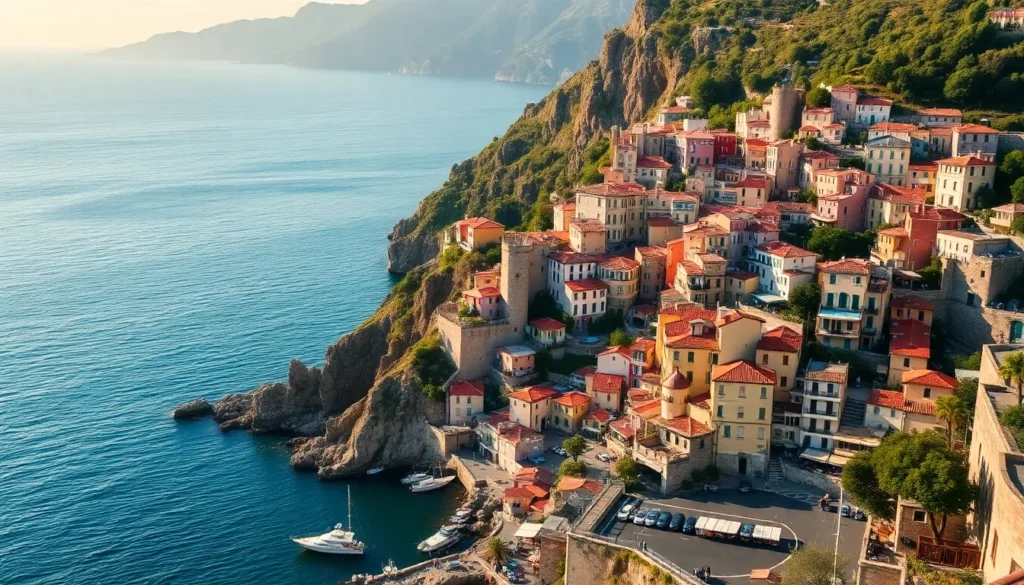
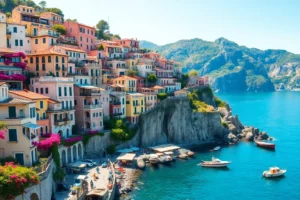
This UNESCO World Heritage site comprises five colorful villages perched on rugged cliffs. Hiking trails connect the towns, offering spectacular coastal views. Train access is frequent from La Spezia. Verify trail openings before visiting, as maintenance or weather can close paths. Suitable for hikers and photographers seeking iconic landscapes.
Wander Genoa’s Old Town
Genoa boasts one of Europe’s largest historic centers, filled with narrow alleys, palaces, and the bustling Old Port. Visit museums, aquariums, and markets. Ideal for culture enthusiasts and families. Allow a full day to explore the depth of this maritime republic’s history.
Visit Portofino
A glamorous harbor town known for luxury yachts and pastel buildings. Walk the promenade, hike to the castle for views, or boat to nearby coves. Best visited early morning or late afternoon to avoid day-trip crowds. Suits couples and luxury travelers.
Relax in Sanremo
Famous for its casino, flower markets, and music festival. The old town offers medieval charm while the waterfront provides leisurely walks. Great for those interested in history, gardens, and evening entertainment. Accessible via train from Ventimiglia or Genoa.
Stroll Through Camogli
A authentic fishing village with a picturesque harbor and seafood tradition. Less commercialized than Portofino, it offers a genuine local atmosphere. Enjoy fresh fish dinners and boat trips to San Fruttuoso Abbey. Perfect for foodies and relaxed travelers.
Discover Nervi Parks
Located east of Genoa, these seaside parks feature historic villas and walking paths along the cliffs. Excellent for nature lovers and those seeking quiet green spaces. Accessible via regional train from Genoa Brignole station.
Walk the Via dell’Amore
Part of the Cinque Terre trail network, this path offers easy walking with dramatic sea views. Status varies due to restoration; check official park websites for accessibility. Suitable for all fitness levels when open.
Experience Bocadasse
A small, old fishing neighborhood within Genoa featuring pebble beaches and colorful houses. Reachable by bus or a coastal walk from the city center. Ideal for sunset views and gelato without leaving the urban area.
Tour the Palazzi dei Rolli
Genoa’s Renaissance and Baroque palaces, many open to the public. These historic residences showcase aristocratic life and art. Culture buffs and architecture lovers should prioritize this UNESCO-listed collection.
Boat to Portovenere
Located near Cinque Terre, this town features a historic church on a rocky promontory. Boat connections link it to nearby villages. Offers stunning photography opportunities and seafood dining. Combine with a Cinque Terre visit.
Where to Eat
Ligurian cuisine emphasizes fresh seafood, herbs, and vegetables. Pesto Genovese, made with basil, pine nuts, and cheese, is the region’s signature sauce, traditionally served with trofie pasta. Focaccia is a staple, often eaten for breakfast or as a snack. Farinata, a chickpea pancake, is a popular street food. Seafood dishes include cioppino-style stews and grilled fish. Meal times typically align with Italian norms: lunch around 1:00 PM and dinner after 8:00 PM. Look for establishments frequented by locals rather than those with aggressive touts. Markets offer fresh produce and regional specialties for self-catering.
Where to Stay
First-time visitors often base themselves in Genoa for transport connectivity and urban amenities. Couples seeking romance may prefer Santa Margherita Ligure or Portofino, though costs are higher. Families might find Rapallo or Sanremo more manageable with broader accommodation options. Budget travelers should look for lodging in inland towns connected by train, as coastal prices peak in summer. Visitors with cars should verify parking inclusion, as street parking is scarce. Noise levels vary; waterfront properties offer views but may experience summer nightlife activity. Check cancellation policies carefully during peak seasons.
Suggested Itinerary
2-Day Highlights
Day 1: Arrive in Genoa. Explore the Old Port, Aquarium, and Palazzi dei Rolli. Evening dinner in the historic center. Day 2: Train to Cinque Terre. Visit two villages, hike a connecting trail if open, and return to Genoa or stay locally.
4-Day Relaxed Journey
Day 1: Genoa arrival and historic center exploration. Day 2: Train to Camogli and Portofino. Return to Genoa. Day 3: Travel to La Spezia. Explore Cinque Terre villages by train and boat. Day 4: Visit Sanremo or Nervi Parks before departure. Adjust pace based on energy levels and transport schedules.
Local Etiquette & Practical Tips
Dress modestly when entering churches; shoulders and knees should be covered. Greetings typically involve a handshake or cheek kisses among acquaintances. Tipping is not mandatory but rounding up the bill or leaving small change is appreciated for good service. Many shops close mid-afternoon for riposo. Credit cards are widely accepted, but carry cash for small vendors. Beware of ZTL zones in historic centers if driving. Pickpocketing can occur in crowded tourist areas; keep valuables secure. Tap water is generally safe to drink in cities. Learn basic Italian phrases; English is common in tourist hubs but less so in rural areas.
Day Trips from Italian Riviera
Nice, France: Accessible by train from Ventimiglia. Offers museums, beaches, and French cuisine. Suitable for a full-day excursion. Pisa, Italy: Reachable by train from La Spezia. Famous for the Leaning Tower and cathedral complex. Best as a half-day or full-day trip. Milan, Italy: High-speed train connection from Genoa. Ideal for shopping and fashion. Requires early start for a day trip. Turin, Italy: Accessible via train through Genoa. Known for cafes and museums. Good for culture-focused travelers. Portovenere: Near Cinque Terre. Combines well with village hopping. Half-day sufficient. Albenga: Western Riviera town with Roman history. Quiet alternative to busy resorts. Half-day visit recommended.
FAQ
Is Italian Riviera worth visiting?
Yes, it offers a unique blend of coastal beauty, historic cities, and world-class cuisine suitable for diverse travelers.
How many days do you need in Italian Riviera?
A minimum of 3 days covers highlights, but 5 to 7 days allows for a relaxed pace and deeper exploration.
Is Italian Riviera safe, expensive, or walkable?
Generally safe with standard precautions. Costs vary by town and season. Walkability is high in towns but terrain is hilly.
Leave a Reply