Short Answer
Getting There
Puglia is primarily accessed via two international airports: Bari Karol Wojtyła Airport (BRI) in the north and Brindisi Salento Airport (BDS) in the south. Bari is generally better for exploring the Valle d’Itria and Gargano Peninsula, while Brindisi provides easier access to the Salento region and Lecce. Both airports receive seasonal direct flights from major European hubs, though year-round connections often require a transfer through Rome or Milan.
For travelers arriving elsewhere in Italy, high-speed rail (Frecciarossa) connects Rome and Milan to Bari Centrale station in approximately four to five hours. From Bari, regional trains operated by Ferrovie del Sud Est (FSE) and Trenitalia serve smaller towns. Bus services also connect major cities, but train travel is typically more reliable for intercity movement. Verify current flight schedules and rail timetables before booking, as seasonal reductions may apply outside summer months.
Getting Around
While major towns like Bari, Lecce, and Polignano a Mare are walkable and connected by rail, a rental car is highly recommended for a comprehensive Puglia experience. Public transport exists but can be infrequent in rural areas where many key attractions, such as masserie (fortified farmhouses) and secluded beaches, are located. Driving allows flexibility to explore the winding roads of the Valle d’Itria and the coastal routes of Salento.
Be aware that historic centers often have Limited Traffic Zones (ZTL) where unauthorized vehicles incur fines. Park in designated lots outside city walls and walk inward. Roads are generally well-maintained, but narrow streets in older villages require caution. Cycling is growing in popularity, particularly on flat coastal roads, though summer heat can make this challenging. Taxis and ride-sharing services are available in larger cities but less common in small villages.
Best Time to Visit
The optimal time to visit Puglia is during the shoulder seasons of April to June and September to October. During these months, temperatures are pleasant for sightseeing and beach activities, typically ranging from 20°C to 28°C (68°F to 82°F). Crowds are manageable, and accommodation prices are lower compared to peak summer. This period also coincides with key agricultural harvests, offering excellent food tourism opportunities.
July and August bring intense heat, often exceeding 30°C (86°F), and significant crowds, particularly in coastal towns. While this is the peak beach season, booking well in advance is essential. Winter months from November to March are quiet with many seasonal businesses closed, though cities like Lecce remain lively with cultural events. Verify specific festival dates annually, as religious processions and food sagras vary by year.
Top Things to Do
Explore the Trulli of Alberobello
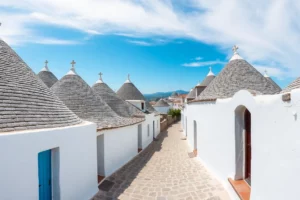
Alberobello is famous for its trulli, traditional dry-stone huts with conical roofs that are unique to this region. This UNESCO World Heritage site offers a glimpse into historical rural architecture. Visitors can walk through the Rione Monti district to see preserved structures, some of which house shops and museums. It suits history enthusiasts and photographers, but arrive early to avoid midday tour groups.
Wander Baroque Lecce
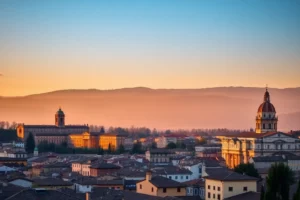
Known as the Florence of the South, Lecce features elaborate Baroque architecture carved from local pietra leccese stone. The Basilica di Santa Croce and Piazza del Duomo are central highlights. This destination suits culture lovers and evening strollers, as the city comes alive with aperitivo culture after sunset. Allow at least a full day to explore the churches and Roman amphitheater.
Relax in Polignano a Mare
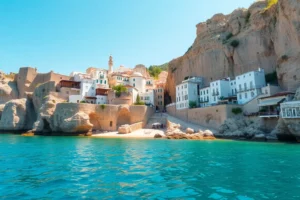
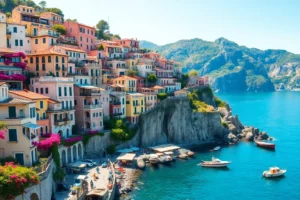
This coastal town is distinguished by houses built directly onto limestone cliffs overlooking the Adriatic Sea. Lama Monachile beach is the iconic spot for swimming and photography. It is ideal for day-trippers from Bari or travelers seeking a mix of beach and town atmosphere. Note that parking is limited, so using the train station is often more practical.
Visit the White City of Ostuni
Ostuni is characterized by its whitewashed buildings cascading down a hilltop, visible from miles away. The historic center is a maze of narrow streets leading to a cathedral with panoramic views. It appeals to those interested in photography and quiet exploration. The surrounding olive groves offer opportunities for agritourism visits and oil tastings.
Discover Castel del Monte
This 13th-century citadel sits on a hilltop and is renowned for its unique octagonal shape and mathematical precision. It is a UNESCO site linked to Emperor Frederick II. History buffs will appreciate the architecture and mystery surrounding its purpose. It is accessible by car or limited bus service from Andria, so check schedules in advance.
Experience the Gargano Peninsula
Known as the Spur of Italy, Gargano offers dramatic coastline, forested mountains, and seaside villages like Vieste and Peschici. It is suitable for nature lovers and hikers seeking diversity beyond the southern plains. The Foresta Umbra provides shaded hiking trails, while coastal caves are accessible by boat tours during warmer months.
Swim in Salento Beaches
The southern tip of Puglia boasts some of Italy’s clearest waters, with notable spots near Otranto and Gallipoli. Sandy beaches and rocky coves cater to different preferences. This area is best for relaxation and water sports during summer. Facilities vary, so verify which beaches are public versus private lidos requiring fees.
Tour a Traditional Masseria
Masserie are fortified farm estates that have been converted into accommodations, restaurants, or working farms. Visiting one provides insight into agricultural traditions and local production of oil and wine. Many offer tours and tastings. This experience suits foodies and those interested in rural heritage, typically requiring a car to reach.
Where to Eat
Puglian cuisine is rooted in peasant traditions, emphasizing vegetables, olive oil, and durum wheat. A signature dish is orecchiette alle cime di rapa, small ear-shaped pasta served with turnip greens. Fresh seafood is abundant along the coast, often grilled simply with local oil. Burrata di Andria, a fresh cheese with a creamy center, is a mandatory tasting.
Wine culture is significant, with Primitivo and Negroamaro reds being regional staples. Meals often follow Italian timing, with lunch around 1:30 PM and dinner after 8:00 PM. Many kitchens close between lunch and dinner service. Look for menus featuring local ingredients rather than tourist-focused traps in main squares. Markets in larger towns offer fresh produce and street food options like panzerotti.
Where to Stay
First-time visitors often base themselves in the Valle d’Itria, staying in towns like Locorotondo or Martina Franca for central access to trulli and both airports. Couples seeking romance may prefer historic masserie in the countryside, offering privacy and pools. Budget travelers might find better value in Bari or Lecce, where hostels and affordable hotels are more common.
Families often benefit from agritourism farms that provide space and kitchen facilities. Visitors focused on nightlife should consider Lecce or Ostuni, which have vibrant evening scenes. Those with a car have the most flexibility to stay in rural locations. Be aware that historic centers involve cobblestones and hills, which may challenge those with mobility issues or heavy luggage.
Suggested Itinerary
2-Day Highlights
Day 1: Arrive in Bari, transfer to Alberobello to see the trulli, then continue to Ostuni for dinner and overnight stay. Day 2: Morning exploration of Ostuni, drive to Polignano a Mare for lunch and coastal views, return to Bari for departure. This pace is fast but covers iconic sights.
4-Day Relaxed Tour
Day 1: Arrive Bari, explore the old town, overnight in Bari. Day 2: Drive to Alberobello and Locorotondo, overnight in Valle d’Itria. Day 3: Travel south to Lecce, explore Baroque center, overnight in Lecce. Day 4: Morning trip to Otranto coast, depart from Brindisi airport. This allows deeper immersion in each region.
Local Etiquette & Practical Tips
Dress modestly when entering churches, covering shoulders and knees, as strict enforcement occurs at major religious sites. Tipping is not obligatory but rounding up the bill or leaving small change is appreciated for good service. Greetings usually involve a handshake or cheek kisses among acquaintances; a polite buongiorno is expected upon entering shops.
Cash is still preferred in smaller establishments, though cards are widely accepted in towns. Be mindful of the riposo (afternoon rest) when many shops close between 1:00 PM and 4:00 PM. Safety is generally good, but standard precautions against pickpocketing apply in crowded areas. Accessibility varies, with historic centers often lacking ramps due to preservation laws.
Day Trips from Puglia
Matera
Although technically in the Basilicata region, Matera is close enough for a day trip from northern Puglia. The Sassi cave dwellings are a UNESCO site offering unique history. It is best visited as a full-day excursion by car or guided tour.
Castellana Grottes
These limestone caves feature impressive stalactites and stalagmites located near Alberobello. Tours are guided and require booking in advance. Suitable for families and those interested in geology, it takes about half a day.
Trani
A coastal town north of Bari known for its cathedral built directly on the sea. It offers a quieter alternative to busy tourist hubs. Reachable by train from Bari, it makes for a relaxing half-day or full-day visit.
Gallipoli
Located in Salento, this island town features a historic center connected by a bridge. It combines history with beach access. Best visited in summer for the full experience, requiring a car or bus from Lecce.
FAQ
Is Puglia worth visiting?
Yes, Puglia is worth visiting for its unique architecture, authentic cuisine, and diverse coastline, offering a less crowded alternative to northern Italy.
How many days do you need in Puglia?
A minimum of 5 days is recommended to see highlights, but 7 to 10 days allows for a relaxed exploration of both north and south.
Is Puglia safe and walkable?
Puglia is generally safe with low crime rates. Major towns are walkable, but a car is needed for rural areas and beaches.
Leave a Reply